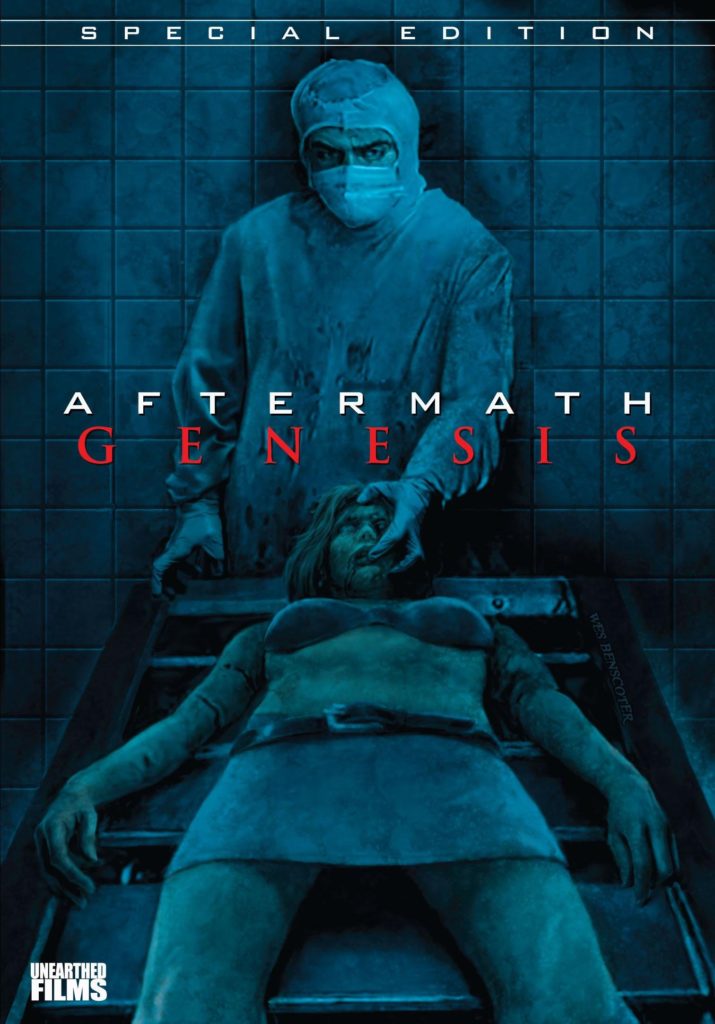
Aftermath Review from Unearthed Films!
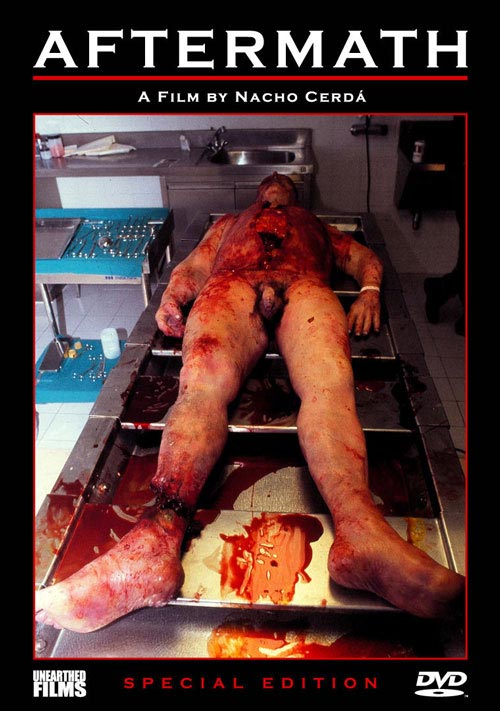
Directed by: Nacho Cerdà
Written by: Nacho Cerdà
Produced by: Nacho Cerdà
Cinematography by: Christopher Baffa
Edited by: Raul Almanzan
Cast: Pep Tosar, Jordi Tarrida, Ángel Tarris, Xevi Collellmir
Year: 1994
Country: Spain
Language: None
Colour: Colour
Runtime: 30min
Studio: Waken Productions
Distributed: Unearthed Films
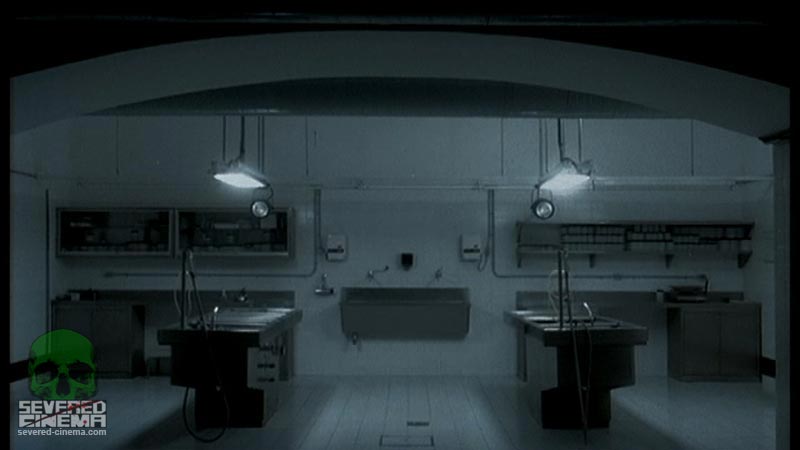
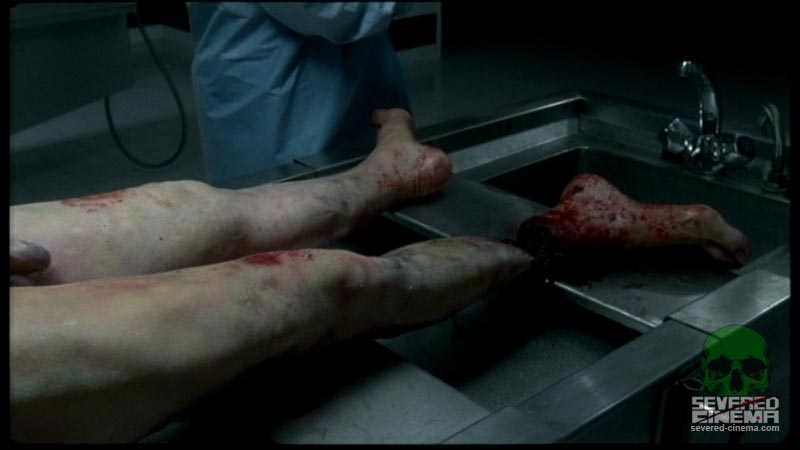
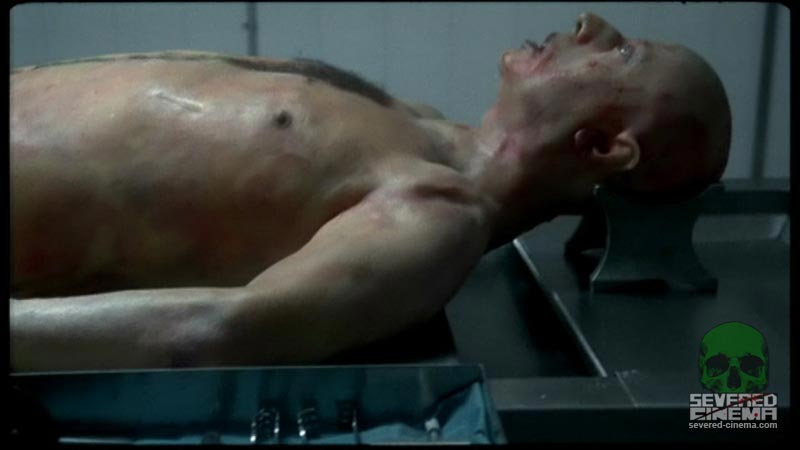
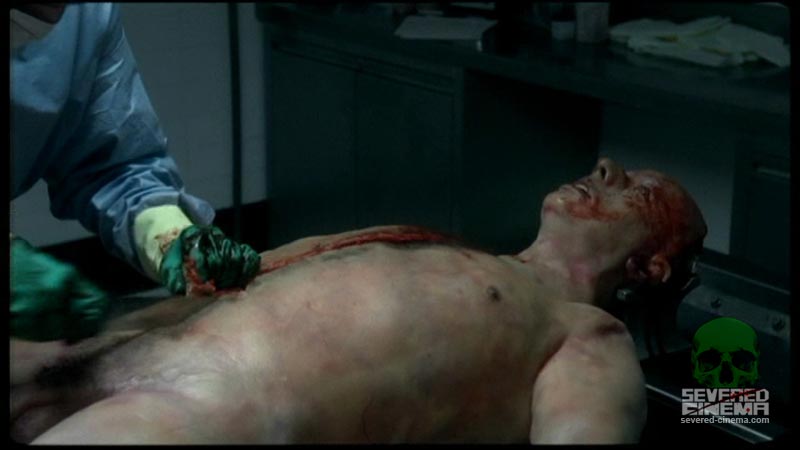
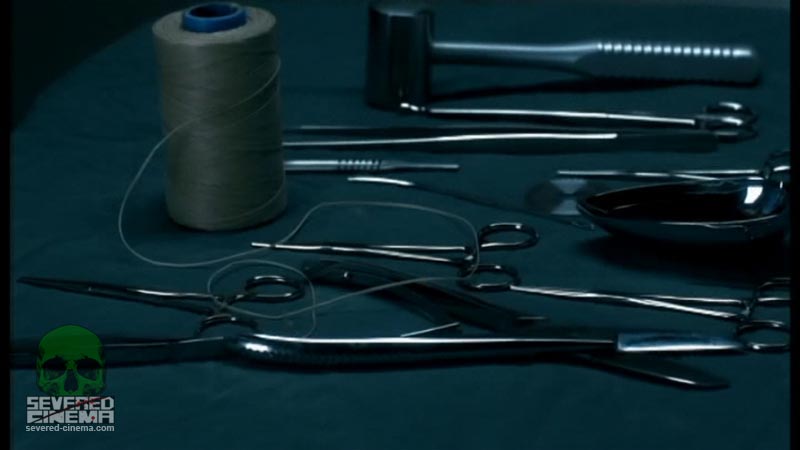
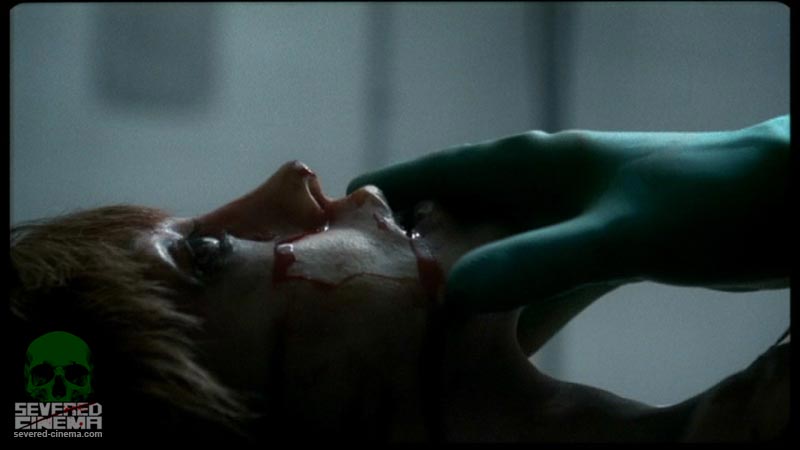
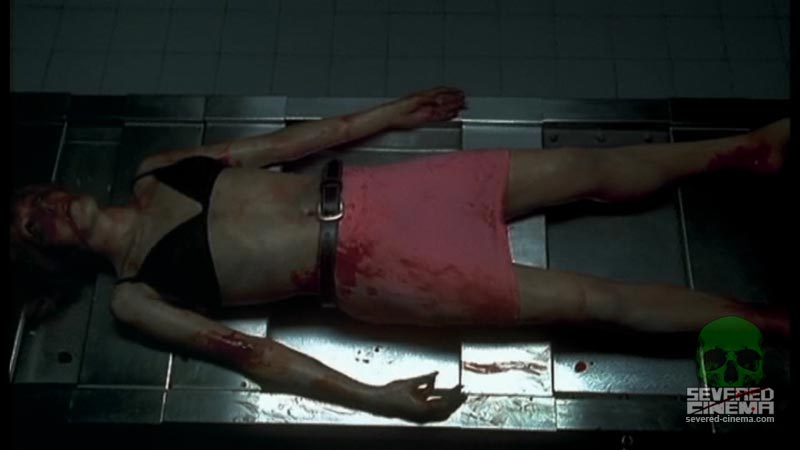
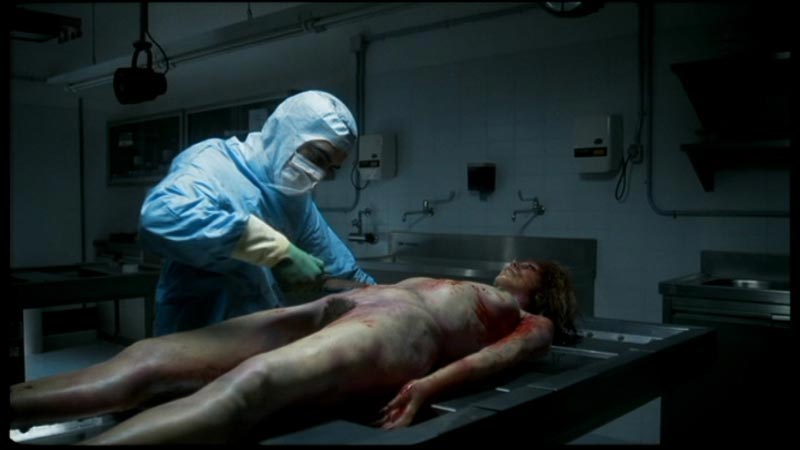
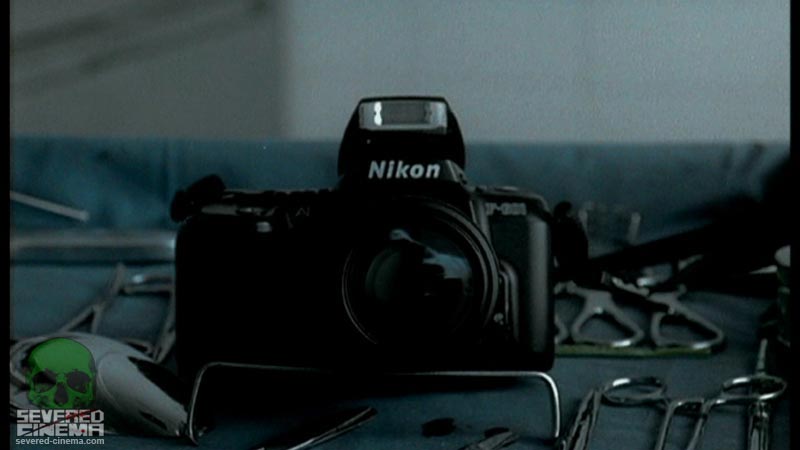
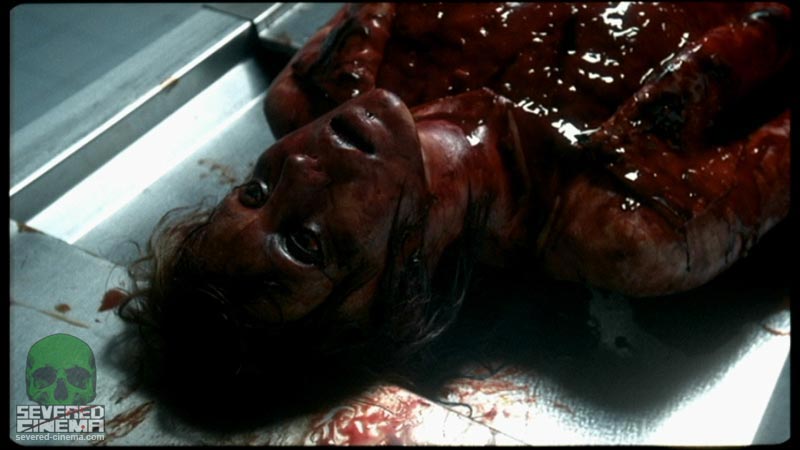
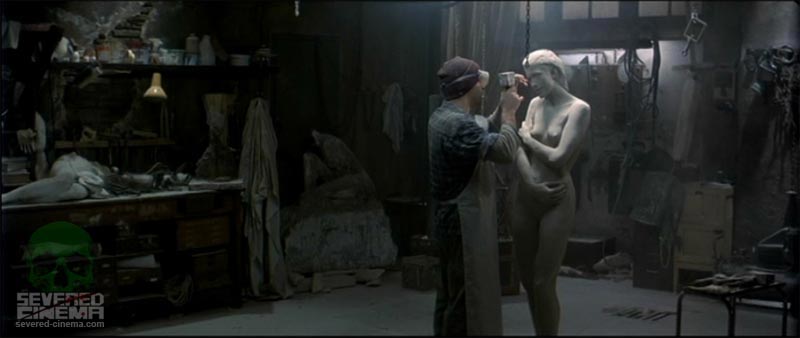
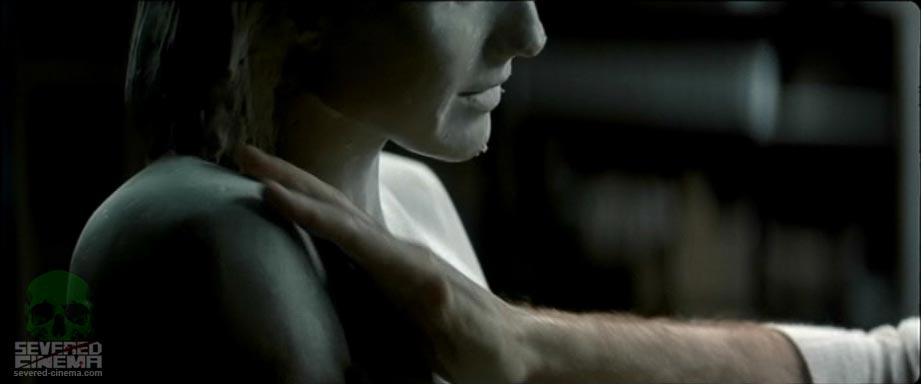
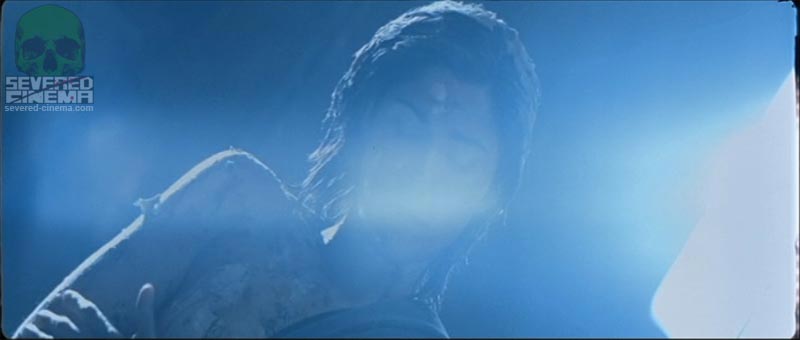
Deep in the bowels of a Spanish morgue, an autopsy is taking place. The man works in silence, his hands coated in blood. No one else is around. No one but the corpse of a young woman who has died in a car wreck.
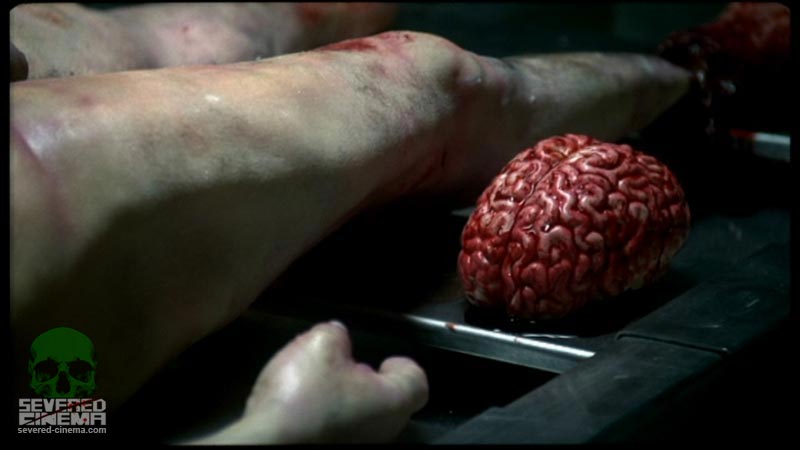
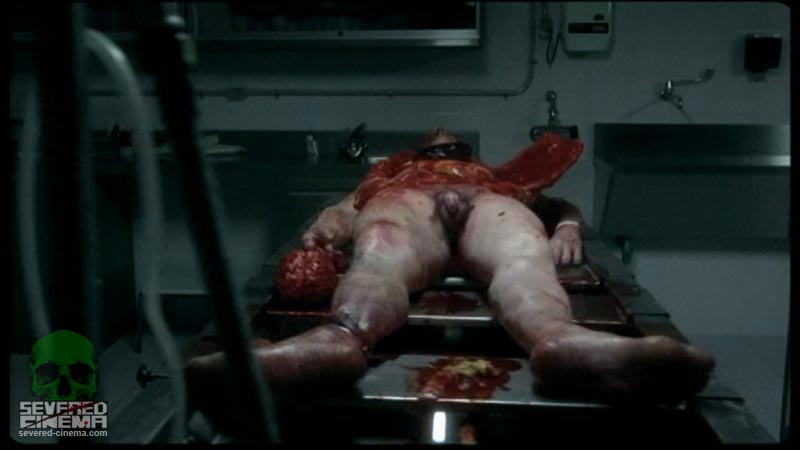
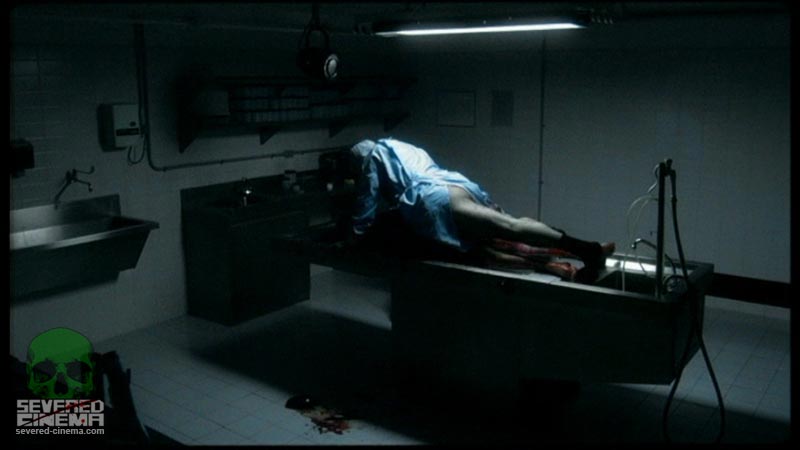
Aftermath is a film that has been hyped beyond belief since its release. The controversy surrounding it is immeasurable. As such, this short little film from director Nacho Cerdà has become a highly sought after item. Highly sought after and highly difficult to find (at least for anyone expecting to find it through mainstream retailers). Very few sellers will carry it due to the film’s extreme subject matter (ironic considering that many of the same retailers selling the Guinea Pig movies have refused to sell Aftermath). Virtually the only place to even acquire a copy is over the internet or at horror conventions. All the buzz stems from its intense, unflinching, sobering depiction of death and necrophilia. The short tells the story of a morgue technician who is left alone with the body of a female auto accident victim and his deranged perversions that drive him to molest, butcher, and eventually mount her in a macabre mockery of human sexuality.
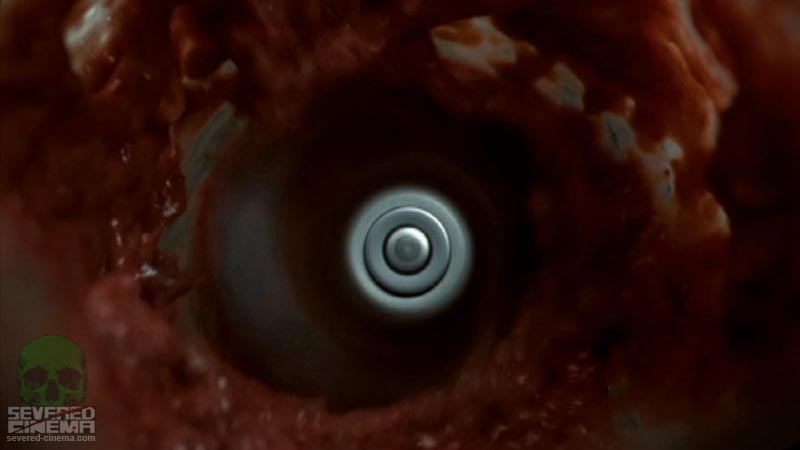
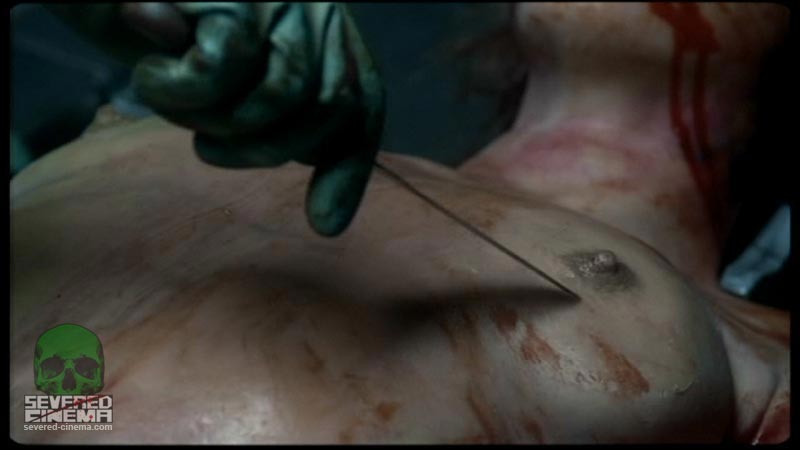
Aftermath is not enjoyable in any way. And that is why I liked it so much. It’s difficult to make me flinch. I’ve seen a lot of depraved stuff as the insatiable schizoid cinemaphile that I am. But Aftermath takes the cake. It remains the ONLY film I can remember that has EVER kept me so enraptured and revolted at the same time. I’ve never seen a movie before, whether a short or a feature length, that has made me lose my appetite. Aftermath did that. I started watching this film while eating a Hot Pocket. About 3 bites and 5 minutes in, I couldn’t even look at the damn thing anymore. The gore in Aftermath is not just graphic, but it is graphic and realistic. So realistic in fact that the first time you watch it, I guarantee you’ll be in awe of Cerdà’s special effects crew. The gore is realistic to the point of being highly unsettling. The line between movie magic and real life has never been blurred so deftly. And nothing in this film, neither the gore nor the actual instances of necrophilia themselves, is presented in a tongue-in-cheek kind of way. It is all depicted in a very hard, cold, hollow way. The direction is very simple but at the same time it is gorgeous. Cerda has really outdone himself with the direction of this picture. Aftermath is made with a certain artistic flair that is unmistakable yet subtle. It doesn’t overpower the story and it’s very easy to get drawn into what you’re watching take place. Normally when I watch a movie I find it difficult to separate myself from my knowledge of filmmaking. It can be hard to entirely enjoy a movie when you’re constantly thinking “Oh, that’s an interesting shot.” or “I bet they were thinking of so-and-so when they wrote that one line for Generic Actor X.” With Aftermath, that problem doesn’t exist the first time you watch it. The first time you watch it you sit there in silence, enveloped by what you’re seeing. And when you’re done watching, the first thing you want to do is sit down every one of your friends and make them all watch it in attentive silence as well. The direction is engaging, but harsh as well. It echoes the grim quality of the themes explored and heightens the darkness and disgust that it evokes in its audience. Aftermath is a bleak, unnerving, disturbing film. It is not meant to entertain you. It is meant to move you. It is meant to make you feel that sick feeling in the pit of your stomach. And it succeeds in spades. Not everyone will care for Aftermath. But if you like well-made, brutal, sincere cinema that actually makes you feel something and isn’t all rainbows and lollipops, if you like cinema that dissects the stinking, ebony underbelly of a society obsessed with sex and violence, then I doubt Aftermath will disappoint.
While the core concept of a coroner engaging in acts of necrophilia isn’t original, that doesn’t mean it isn’t make for interesting film. For an inexperienced filmmaker this could’ve wound up a tedious, boring, pretentious endeavor. But Nacho Cerdà is quite the talent and it doesn’t really matter that Cerdà has no real plot. Because the horror of what the film portrays is far too profound for us to cast it aside. It’s unwaveringly effective in its slow, methodical, sadistic explorations of themes of a darker nature. Watching Aftermath reminds you of two things. One: when we die we are at the tender mercies of others. The sanctity of the bodies that we tend to think of as our very selves is naked and vulnerable to be dishonored, disrespected, and destroyed. What to us is precious, is just a rotting slab of flesh to someone else. Or perhaps a sex toy. Two: no matter how invincible we think we are, and as much as we like to espouse the ideal of the body being a temple, the fact of the matter is that the body is actually meat. No more. No less. We are animated meat. And fragile meat at that. All that keeps our red, gooey insides from falling apart is a thin layer of skin. That’s it. When we die what we leave behind is little more than a piece of maggot-infested beef.
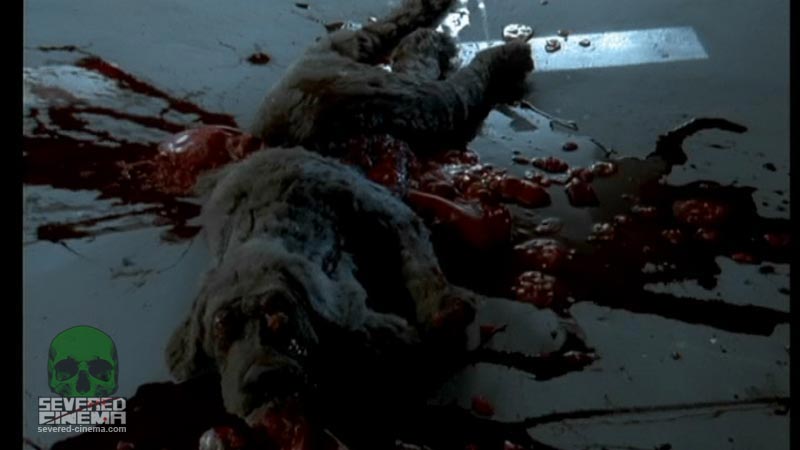
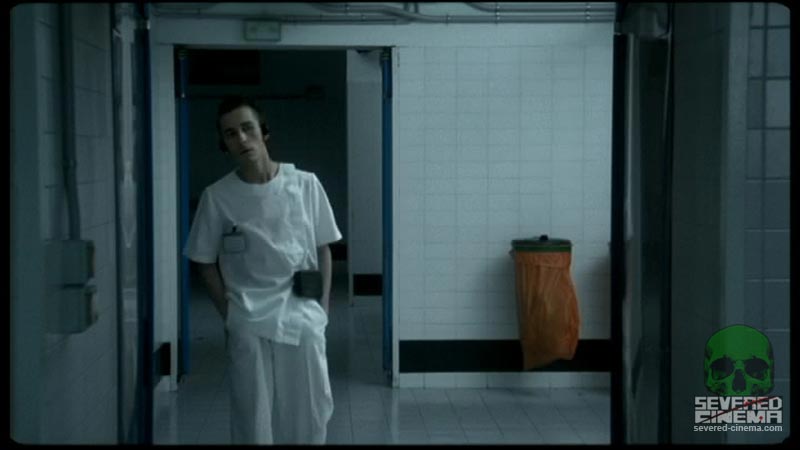
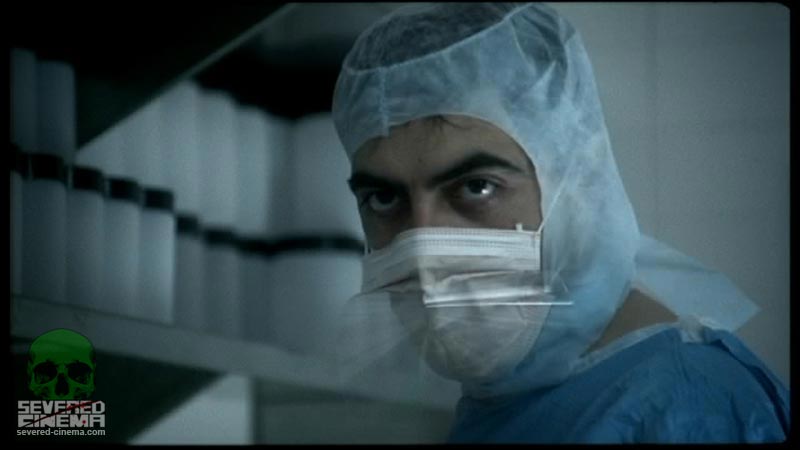
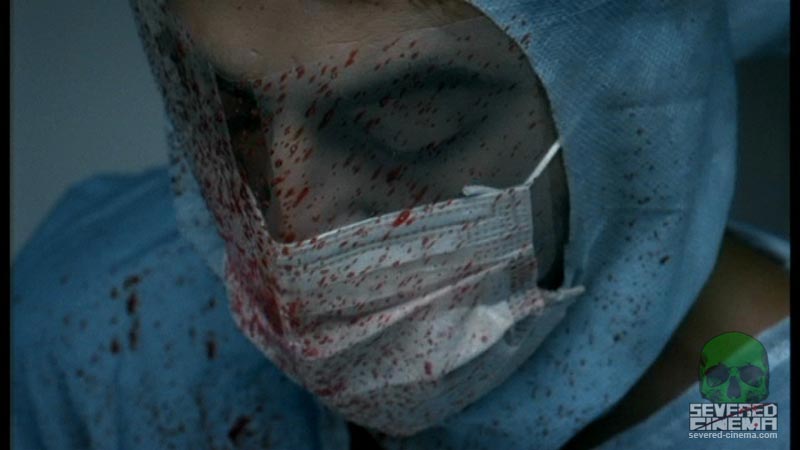
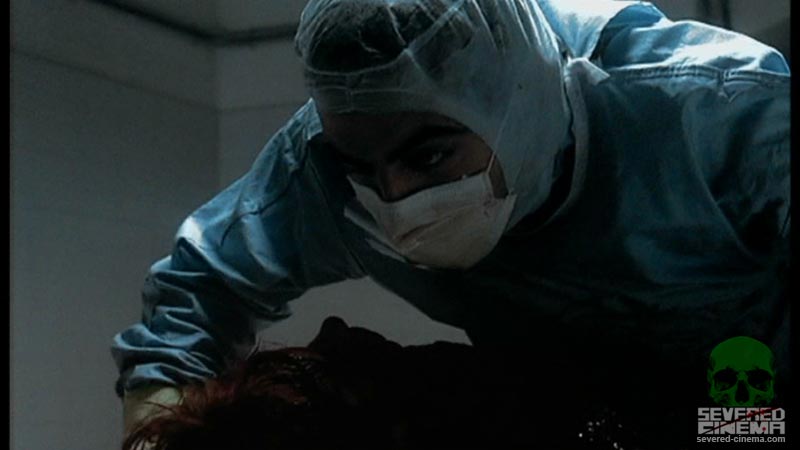
Pep Tosar plays the necro-perv morgue worker and does a great job considering the fact that he had to play a role with no dialogue in a film almost devoid of audio aside from Mozart’s Requiem and the sound of Pep’s own breathing. The film relies entirely on its beautiful-yet-grotesque imagery and its perverse-while-poetic direction. And Pep Tosar’s body language. Even his facial expressions are muted do the fact that he wears a surgical mask the entire time (though what little we do see of his face is often expressive enough to get the character across). With all this pressure on him, it’d be easy for Pep’s performance to be the weak link in this film. But it’s not. While not flashy or extravagant, Pep’s movements accomplish the task of allowing us insight into the soul of the silent, warped character he embodies. The casualness with which Pep’s character approaches his acts of horrifying debauchery, which include not just molesting and raping the corpse of the dead woman but also taking home her heart and feeding it to his dog, is masterfully put across to the audience by Tosar’s body language. It’s vile, sickening, and profoundly perturbing to experience the callous ease-of-stride that the coroner in question operates with, and I have to hand it to Pep Tosar for his performance.
The film’s final shot is perhaps the harshest. As the unnamed morgue technician we’ve watched commit so many degrading acts of necrophilia settles in at home in his slippers and pajamas, the camera pans past and closes in on one of the discarded newspaper pages that line the floor around his dog’s food dish. Just before the screen goes black we are shown what we know is a Spanish obituary for the girl whose body our perverse coroner had so casually violated and defiled. It reminds that although she is now no more than a piece of rotting meat, painfully open and exposed to the cruelties that the world has to offer, that corpse was once a human being. A person. A young woman with emotions, hopes, fears, and dreams. It reminds us of the sobering brutality and finality of death and that the only afterlife we are guaranteed involves a cold steel cot and whatever the whims of our overseers hold for us. We live. We love. But in the end we always wind up at the mercy of clumsy gloved hands with strange, curious, probing, foreign fingers. It is a dark message for sure, but it is also a truthful one.
All in all, Aftermath is one of those exceedingly rare films that actually lives up to the buzz that surrounds it. It is presented in a high quality cinematic style. No Digital Video or el cheap-o film stock for Nacho Cerdà, no sir. It is distributed by the fine folks at Unearthed Films and fits right in with their existing catalog which also features the infamous Guinea Pig series and comes on a DVD loaded with extra features as well as two other Cerdà short films (the overly pretentious and amateurish The Awakening and the extremely well-done but somewhat lackluster and predictable Genesis). The extras are pretty run-of-the-mill. Stills. Trailers. That sort of thing. There is commentary which deserves a listen once in a while but, honestly, it mostly just detracts from the film’s magic. There is an extremely good interview featuring Jörg Buttgereit and Nacho Cerdà though which is definitely insightful and entertaining to watch, but can also get tedious from time to time.
If you’re a fan of the Guinea Pig films then definitely give Aftermath a whirl. It really does feel like a less campy, more intellectual version of a Guinea Pig picture. Like I said, it’s shot artfully and skillfully and it is highly intense, enveloping, and moving in a “shit, that was some disturbing stuff right there” kind of way.