
When Games Bleed: The Nastiest Horror Titles That Could Be Movies
Horror cinema has always flirted with excess. From the filthy cellars of Italian exploitation to the bleak alleys of Eastern European shockers, the genre has thrived on extremity. But in recent years, some of the most grotesque and fascinating nightmares have crawled out not from film reels, but from video games. These aren’t your polished AAA titles with jump scares and safe corridors. These are ugly, hostile worlds, often made by small teams, that embrace gore, despair, and taboo. They demand to be compared with underground cinema. Some of them are practically begging for adaptation. Not into glossy blockbusters, but into the kind of raw horror films that Severed Cinema has always celebrated.
Horror doesn’t only bleed through underground cinema or grotesque indie titles. It even shows up in pop curiosities like horror-themed slots — Dracula, Immortal Romance, House of Doom — the sort of thing you stumble upon in casino reviews. The genre infects every corner of entertainment, from grindhouse reels to gambling screens, proving its appetite for transgression is endless.
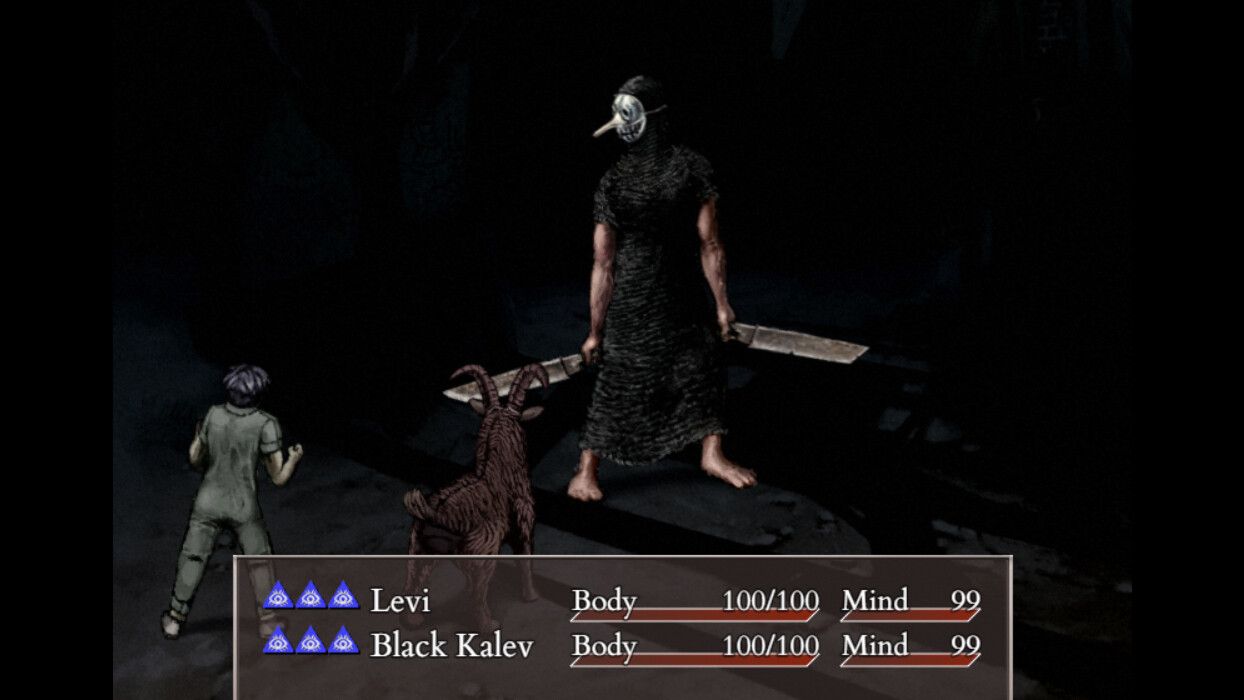
Fear & Hunger 2: Termina (2024)
Released in late 2023 and gaining momentum through 2024, Termina is the kind of game that chews players up and spits them out in pieces. Styled like a grimy 16-bit RPG, it hides some of the most savage content ever put into a role-playing game: mutilation, rape, cannibalism, and an unforgiving permadeath system. Every decision carries consequences. Characters can lose limbs, die in humiliating ways, or be consumed by madness. It’s bleak, nihilistic, and perversely addictive. On screen, Termina would look less like a heroic fantasy and more like an unholy hybrid of Salo and Threads — a festival of despair dressed in retro pixels.
Caput Mortum (2025)
This indie release from summer 2025 proves that sometimes terror comes not from what you see, but from how badly you control it. The game’s intentionally clunky mechanics — a jittering camera, sluggish combat, awkward menus — are a weapon. They amplify a sense of helplessness as players stumble through a nightmare dreamscape. Critics from PC Gamer called it “the most uncomfortable horror game of the year.” Imagine a Lynchian fever dream filmed on decayed VHS, where every frame feels unstable. That’s Caput Mortum, and its cinematic potential lies in its refusal to give comfort.
Agony UNRATED (2018, still infamous)
Polish studio Madmind released Agony in 2018, then pushed an unrated version that tore through any remaining restraint. Players wander through Hell itself, surrounded by fleshy walls, moaning demons, and grotesque sexual violence. The game was savaged by critics, yet developed a cult following because of its sheer audacity. In many ways, it mirrors the trajectory of transgressive cinema — loathed, banned, and then reclaimed by a niche audience hungry for extremity. An adaptation wouldn’t need much rewriting: Agony already looks like Nekromantik trapped inside a Hieronymus Bosch painting.
World of Horror (2023, updates through 2025)
From a single Polish developer known as Panstasz, World of Horror has been quietly mutating since its early access days. The full release in 2023 cemented it as one of the strangest indie horrors in years. Built in 1-bit graphics, it channels Junji Ito and H.P. Lovecraft into a visual style that feels like a cursed MS-DOS relic. Body horror, cosmic dread, cults, and disease infest every scenario. On film, World of Horror could play as an anthology — half Ito nightmare, half 80s experimental short — a reminder that black and white imagery can still drip with blood.
Scorn (2022)
When Ebb Software finally released Scorn after years of delays, it wasn’t the gameplay that haunted players. It was the art. Inspired by H.R. Giger and Zdzisław Beksiński, Scorn is a slow crawl through a world of organs, bone, and twisted machinery. The puzzles are frustrating, the combat clumsy, but none of that matters. Scorn is pure atmosphere, a moving painting of decay. In cinema form, it would resemble an avant-garde piece screened at 3 a.m. in an abandoned factory — no dialogue, just endless corridors of living tissue.
Suffocating (Demo, 2025)
A newer entry on the list, Suffocating is still in demo form but already whispers promises of terror. Players explore claustrophobic spaces filled with organic growths, suffocating slime, and half-human mutations. The design leans heavily into biological disgust, making every corridor feel like a throat closing in. It has the makings of a true body horror classic, something that could sit alongside Cronenberg’s Shivers or Philip Brophy’s Body Melt. If the full game delivers on its demo, a film adaptation could be a revolting spectacle of suffocation and flesh.
Pathologic 2 (2019, cult status)
Though technically older, Pathologic 2 remains one of the most unsettling horror experiences available. Developed by Russian studio Ice-Pick Lodge, it casts players as a healer in a town consumed by plague. Death is inevitable, suffering unavoidable, and choices rarely rewarding. Critics called it “oppressive” and “existentially exhausting.” It’s more theatre than game, with characters that seem pulled from a feverish stage production. As a film, Pathologic 2 would play like an art-house apocalypse, closer to The Seventh Seal or Come and See than any mainstream horror. Its relevance in the 2020s — with pandemics and social collapse fresh in memory — makes it eerily timely.
Conclusion
Games bleed now. They bleed pixels, sound, and atmosphere, but also the same extremity that underground cinema has embraced for decades. Fear & Hunger 2 is already spoken of in hushed tones like a video nasty; Caput Mortum weaponizes bad design into dread; Agony UNRATED revels in obscenity; World of Horror proves that black and white can still disgust; Scorn offers architecture made of intestines; Suffocating promises claustrophobic slime; and Pathologic 2 captures existential doom. These are not games for casual fun. They are endurance tests. They hurt, they unsettle, and they demand respect. In another era, they would already be films projected at midnight screenings. Today, they are playable nightmares — proof that horror still has the power to shock, to offend, and to bleed.