Chameleon (2025) Review – A Demo Reel Disguised as a Movie
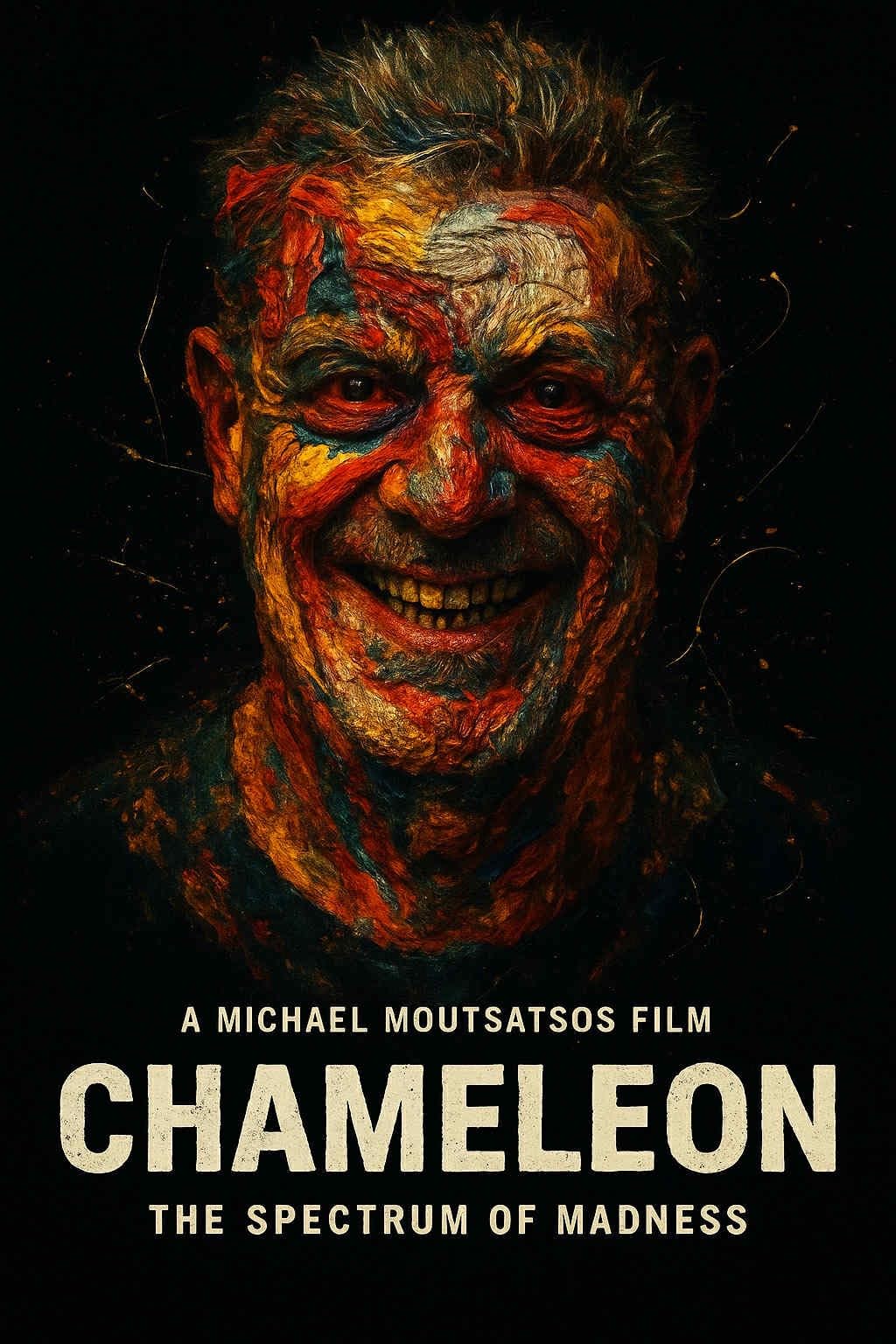
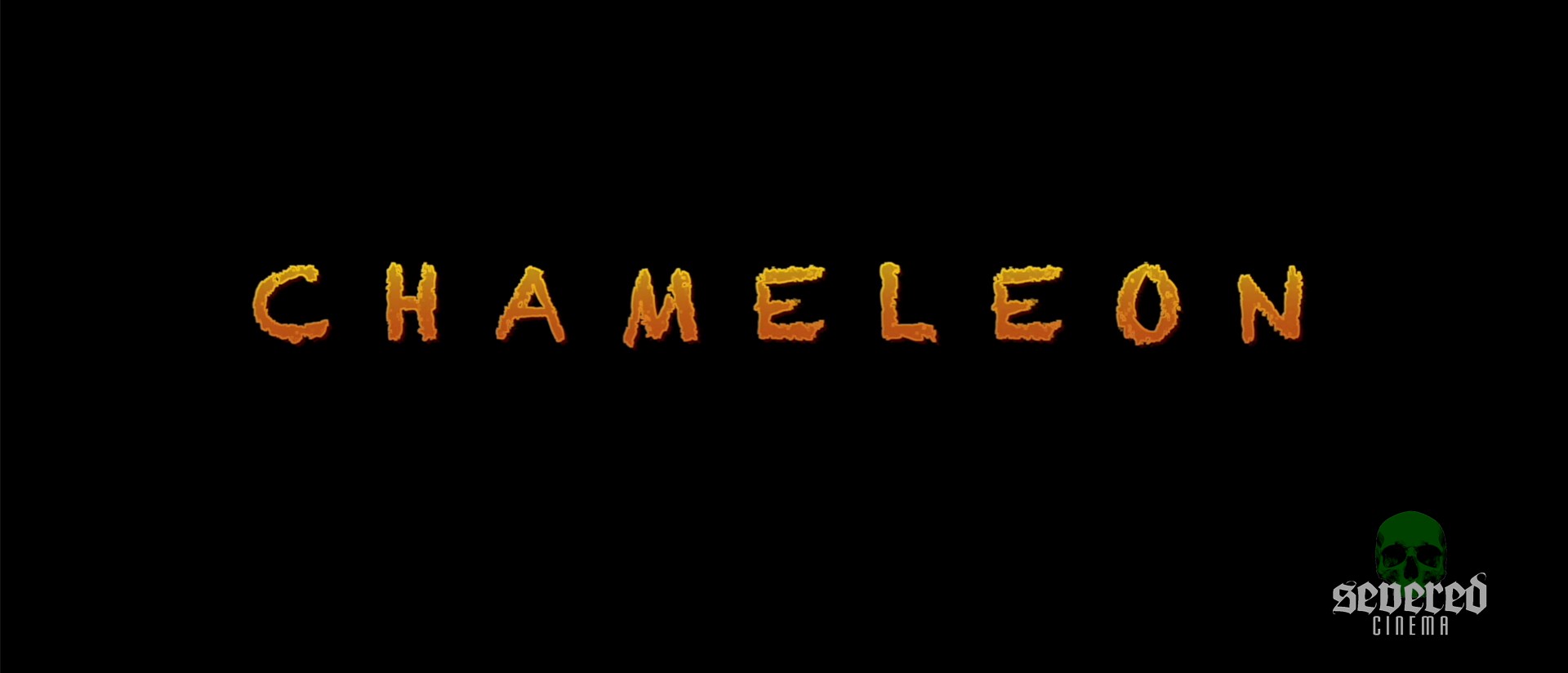
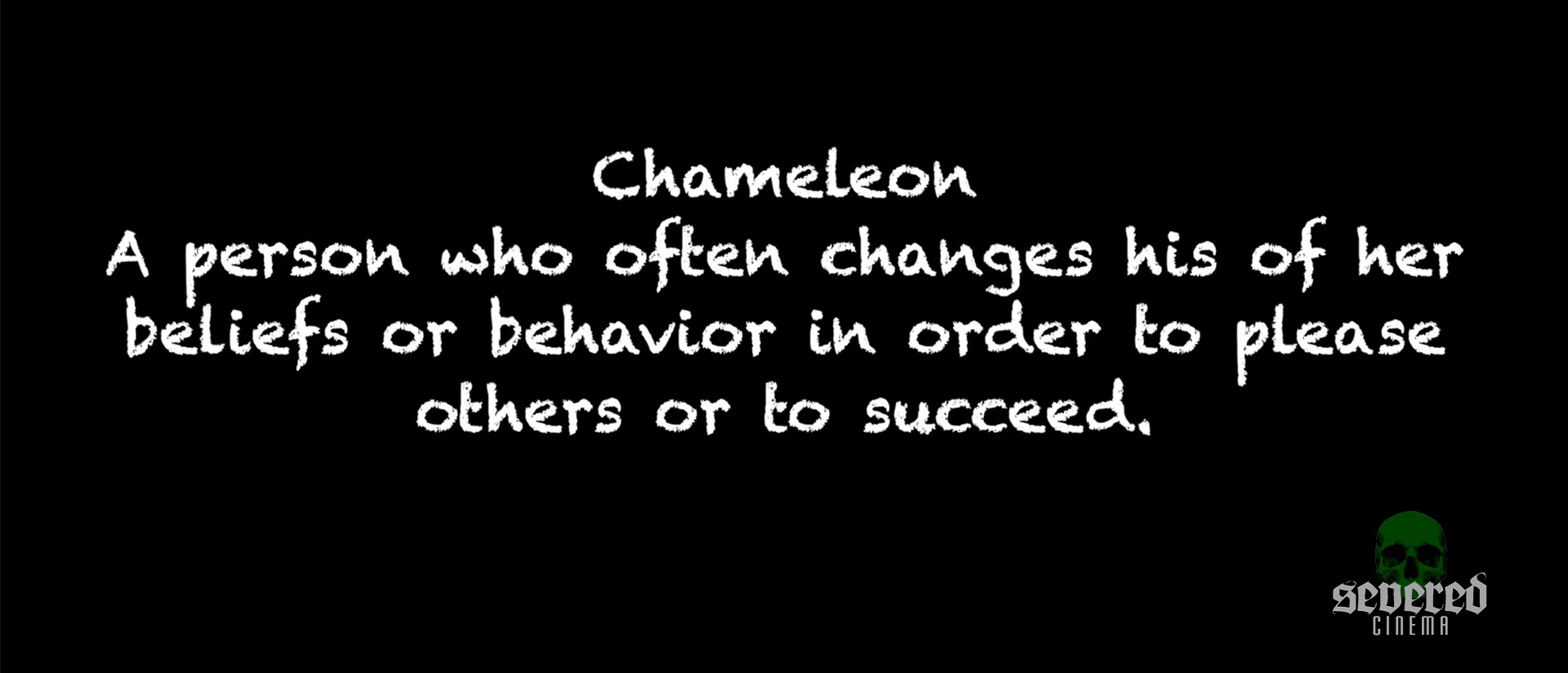
Michael Moutsatos’ Chameleon opens with a grammatically incorrect title card that sets the tone for what’s ahead. It literally reads:
“Chameleon: A person who often changed his of [sic] her beliefs or behavior in order to please others or to succeed.”
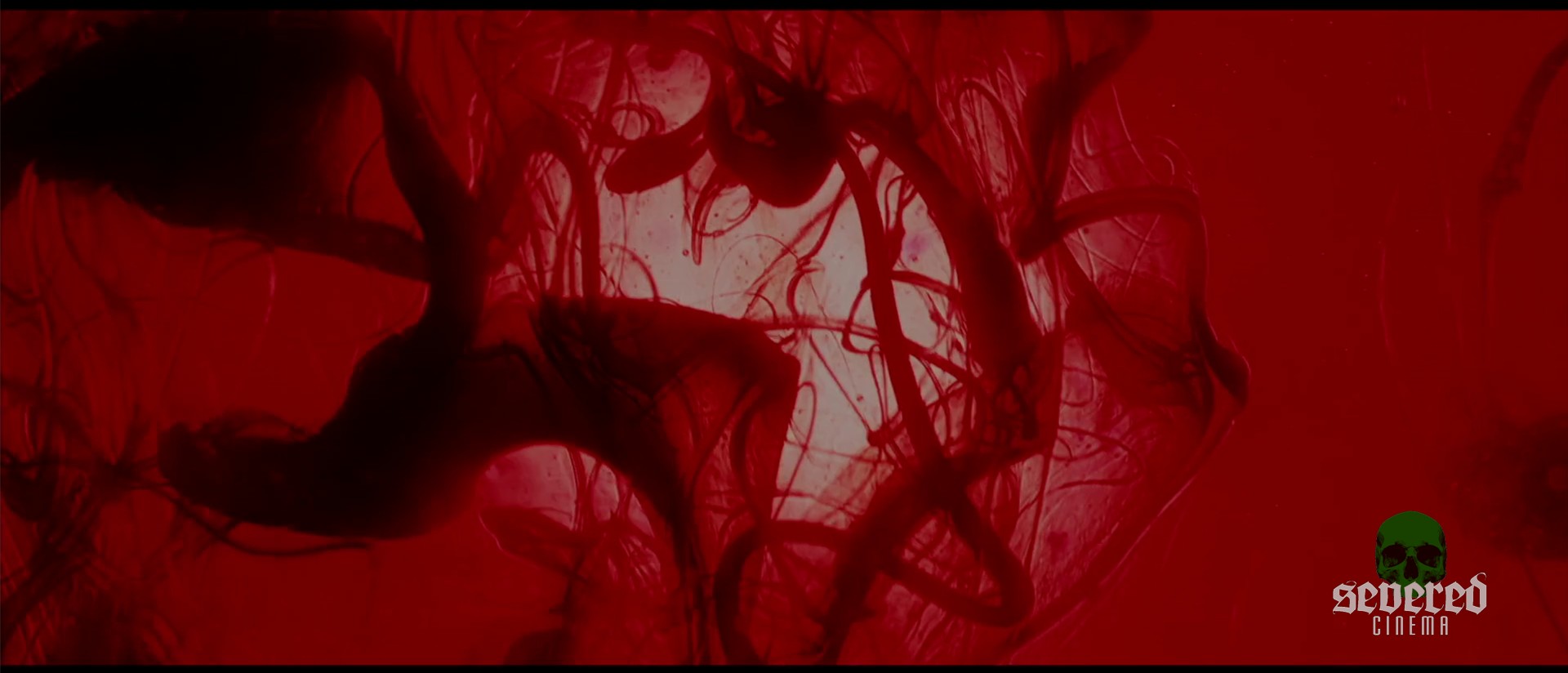
That flub alone speaks volumes about the film’s lack of polish. What follows is a barrage of imagery — sometimes haunting, sometimes beautiful, but rarely cohesive. A whispering voice drones unintelligibly over the first titles, and the sense of being dropped into a surreal mixtape never leaves.
Chapter by Chapter Descent
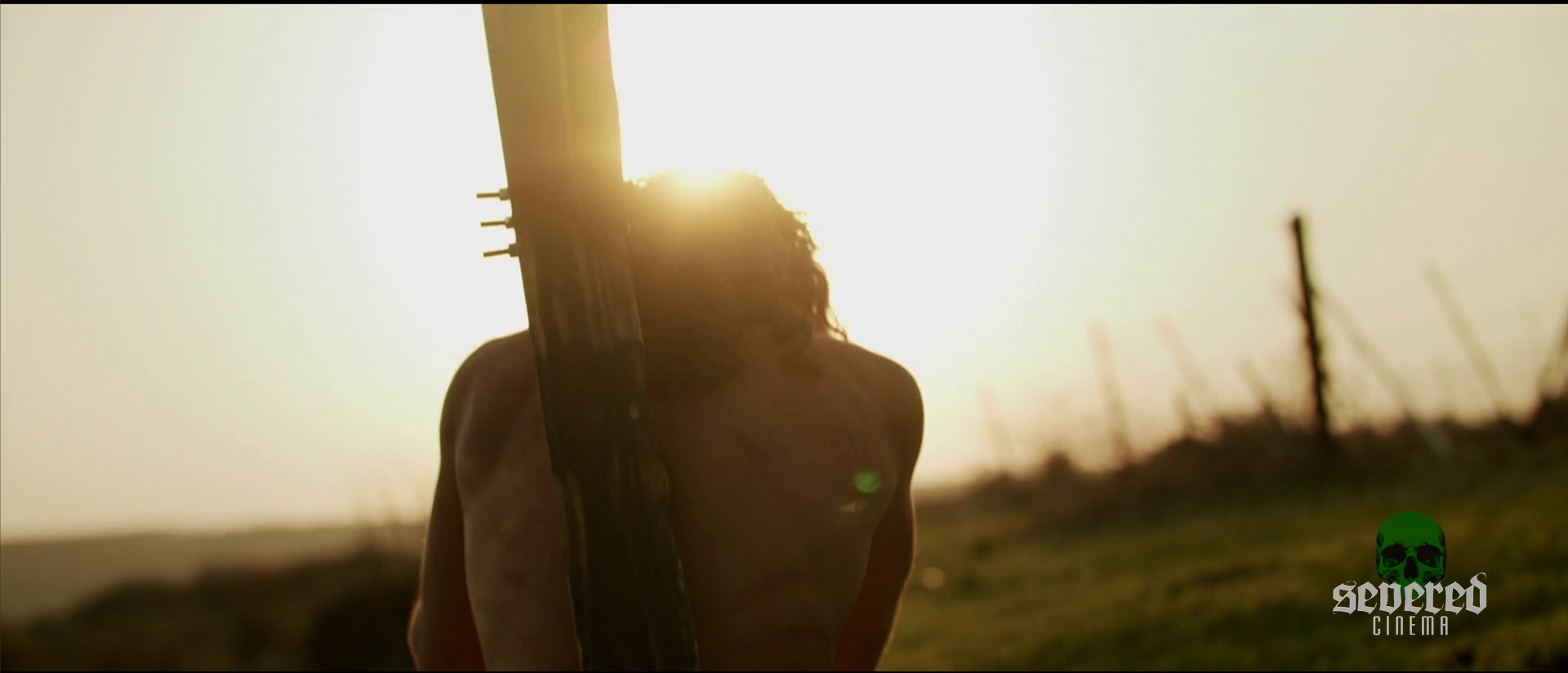
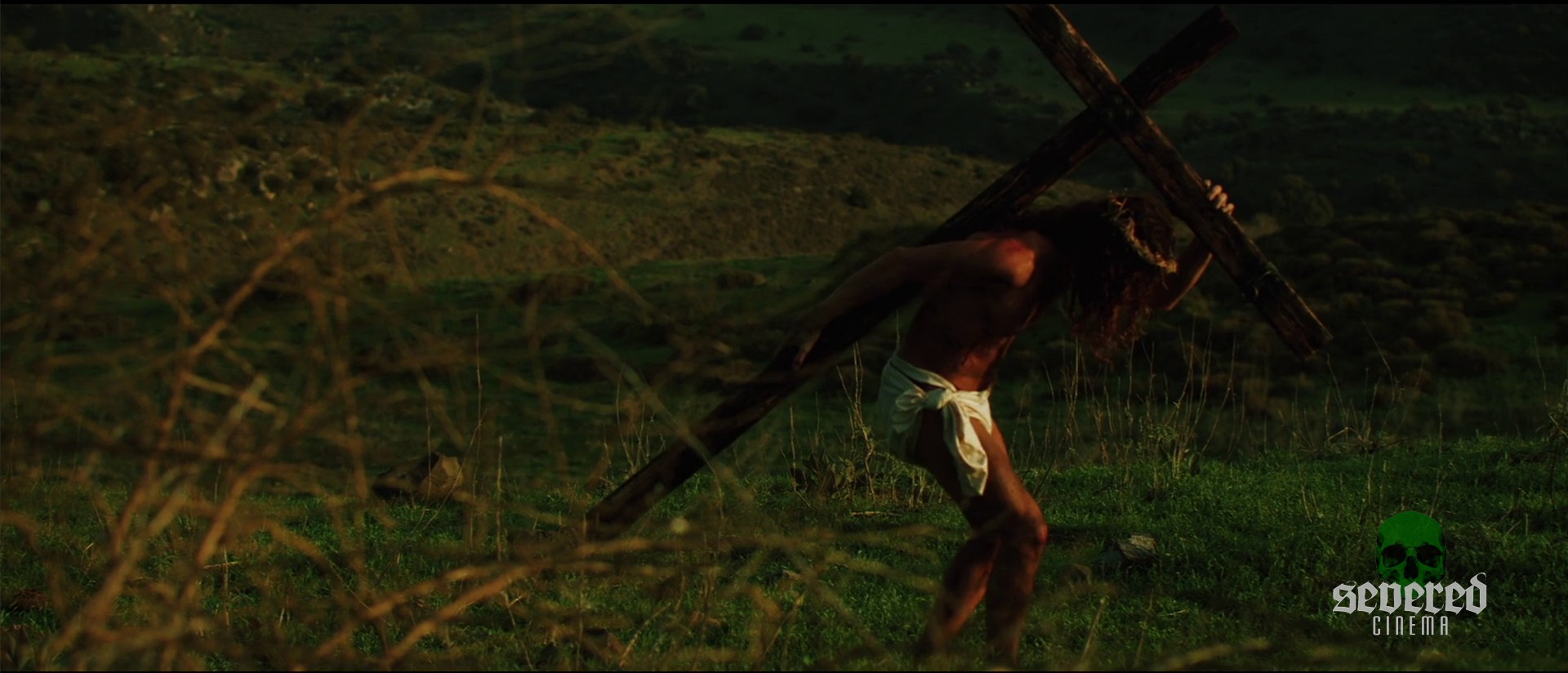
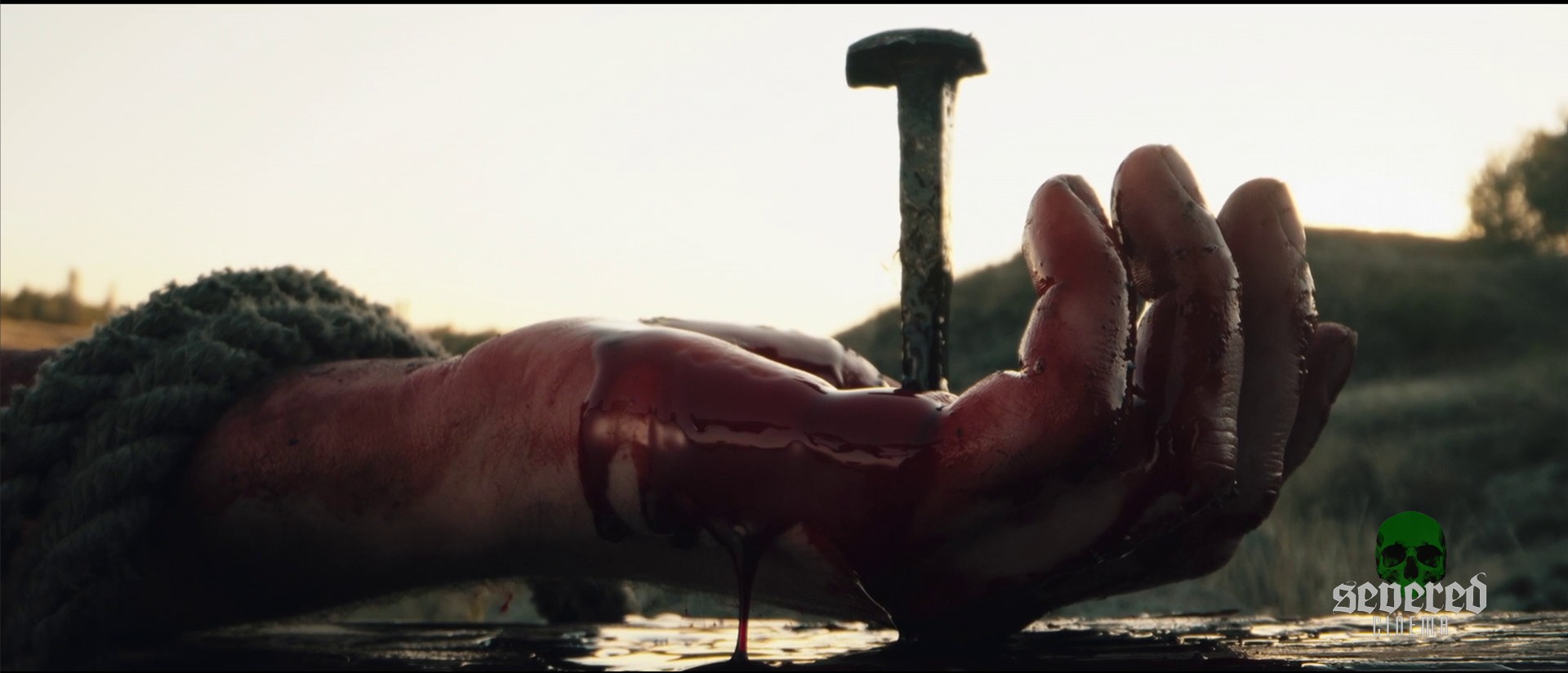
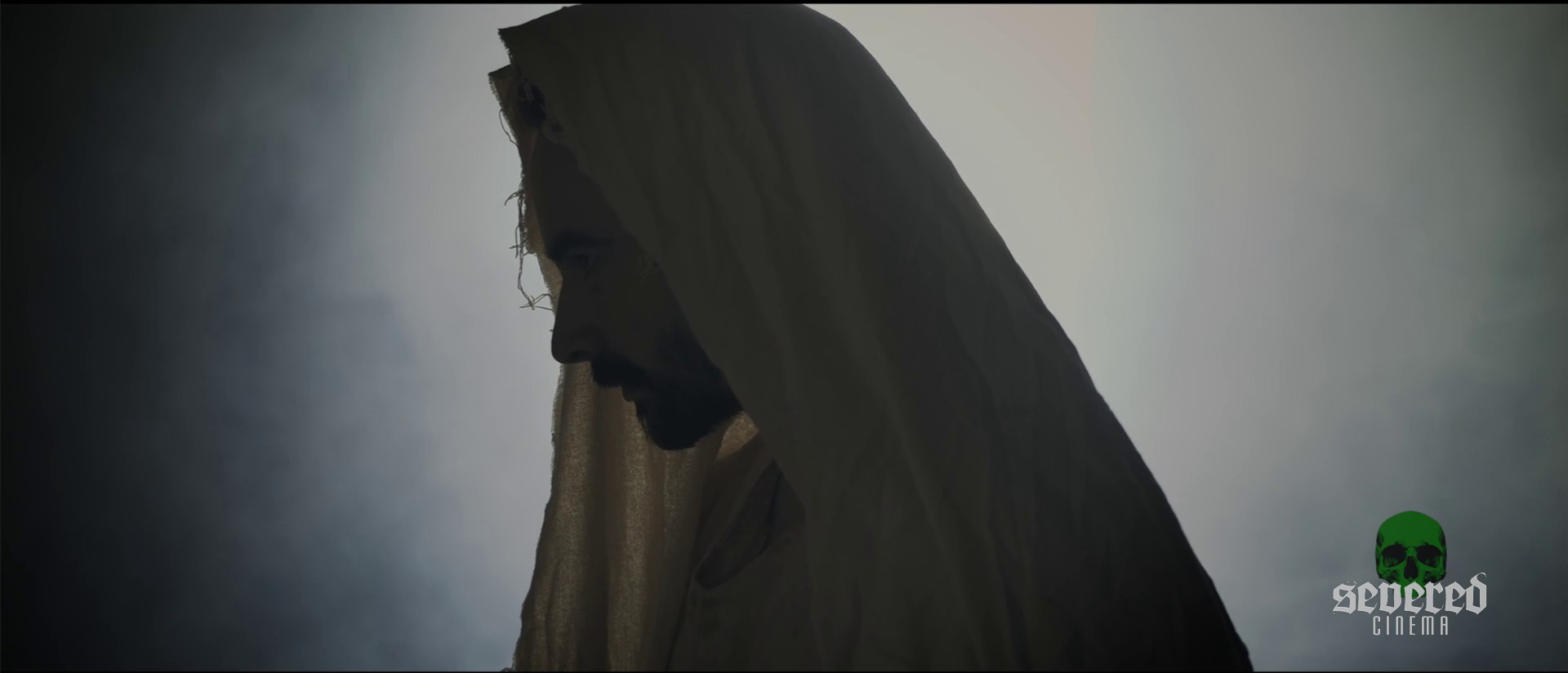
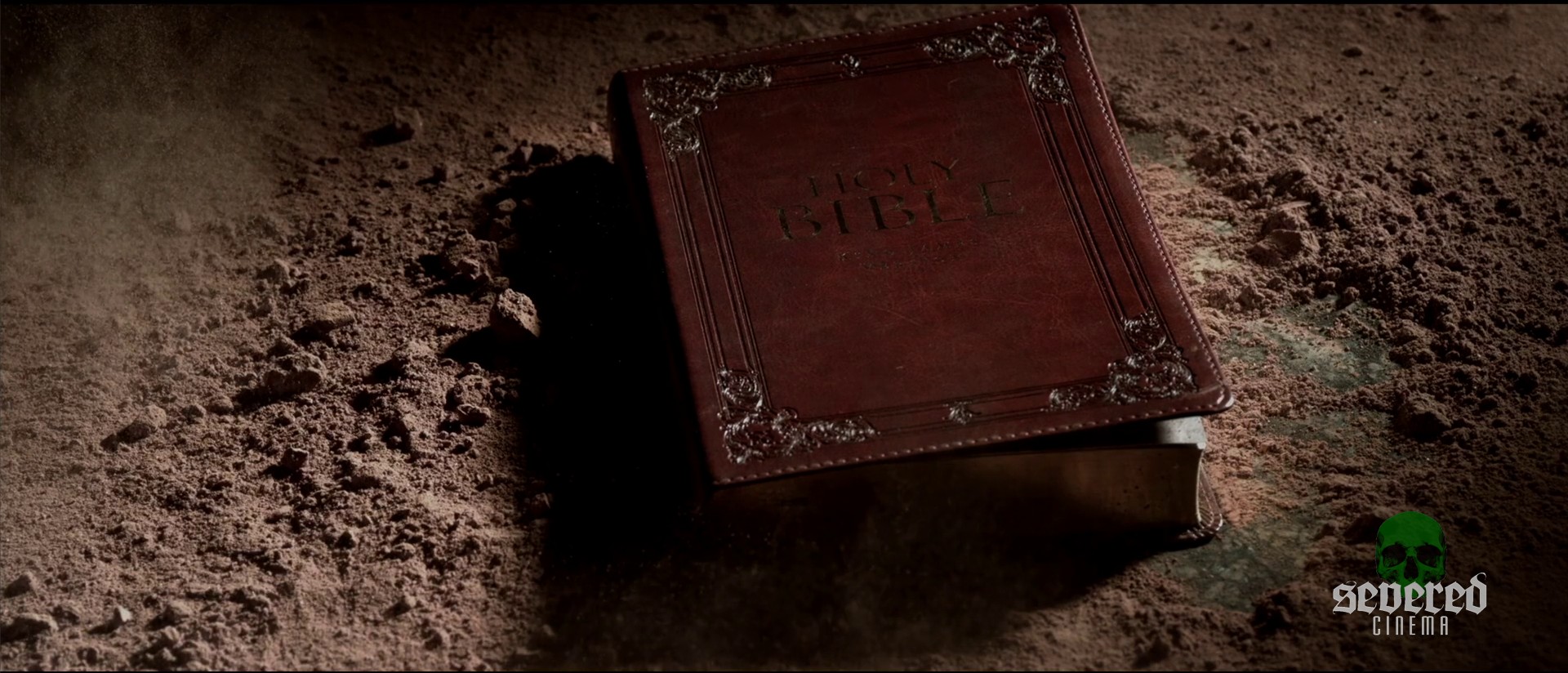
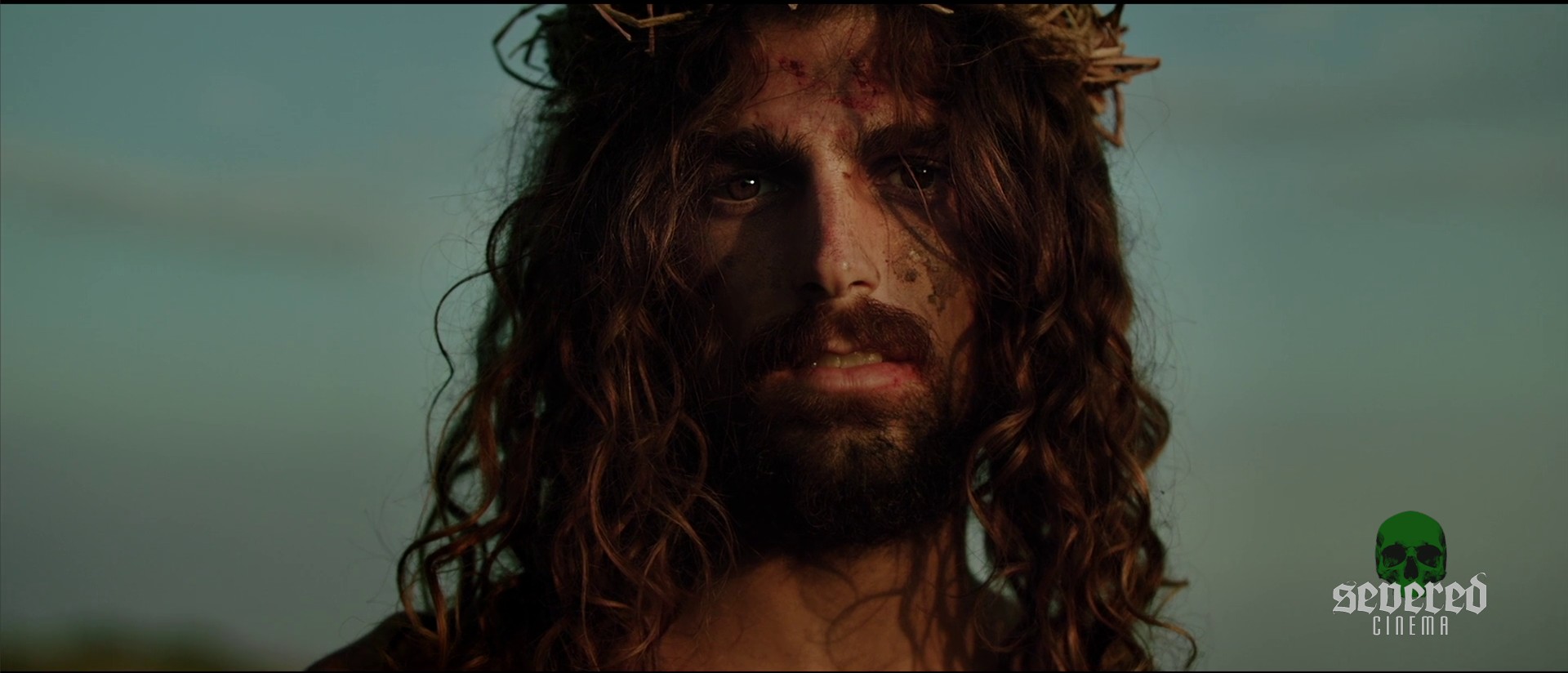
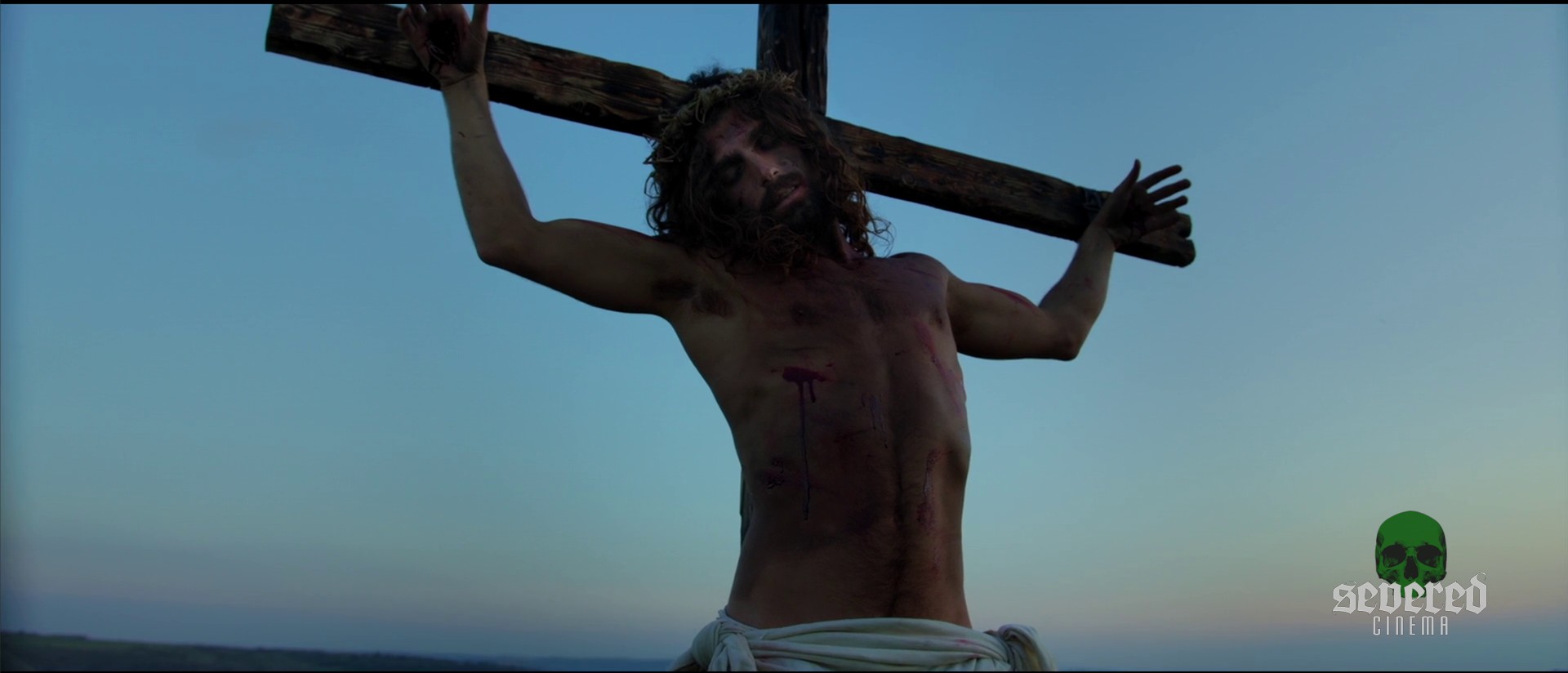
Prologue: A series of Jesus iconography gorgeously lit and shot. A promising start visually, even if the context is slim.
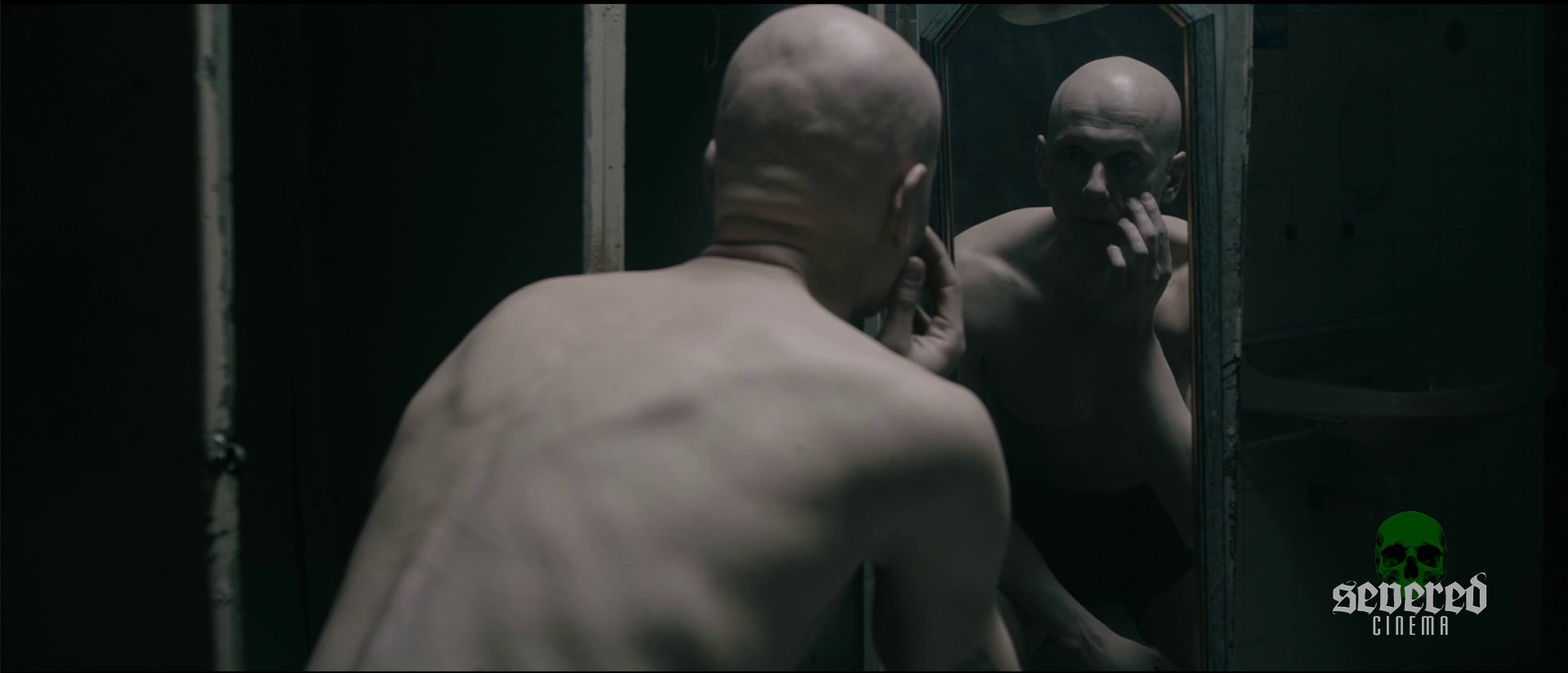
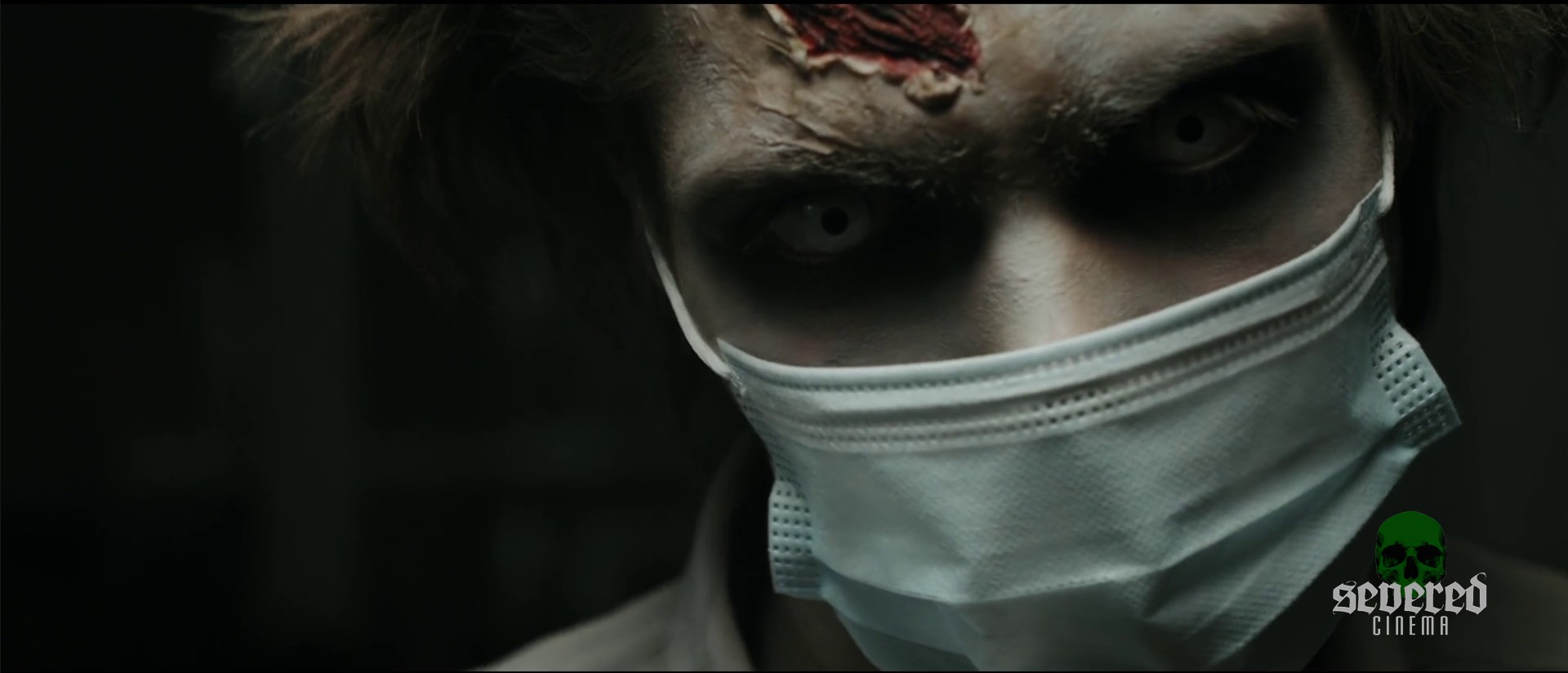
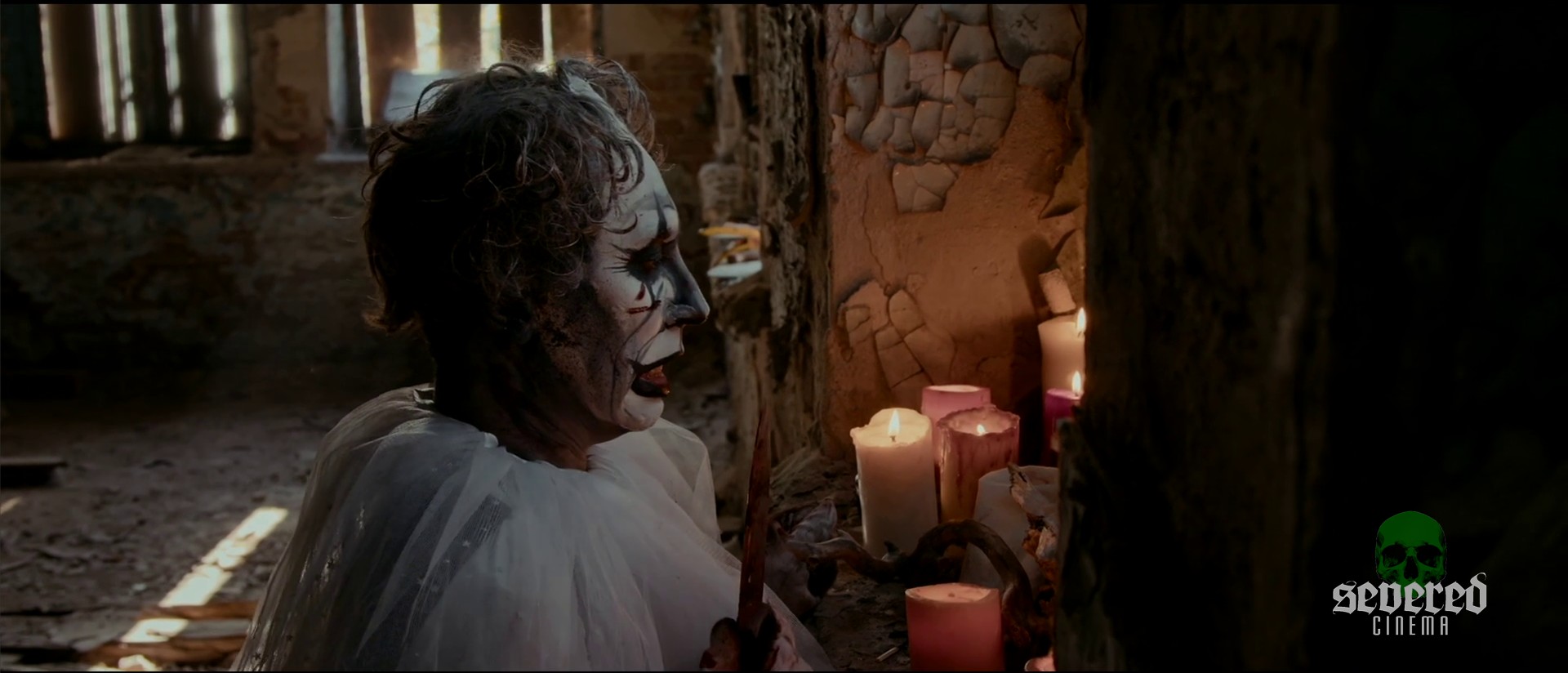
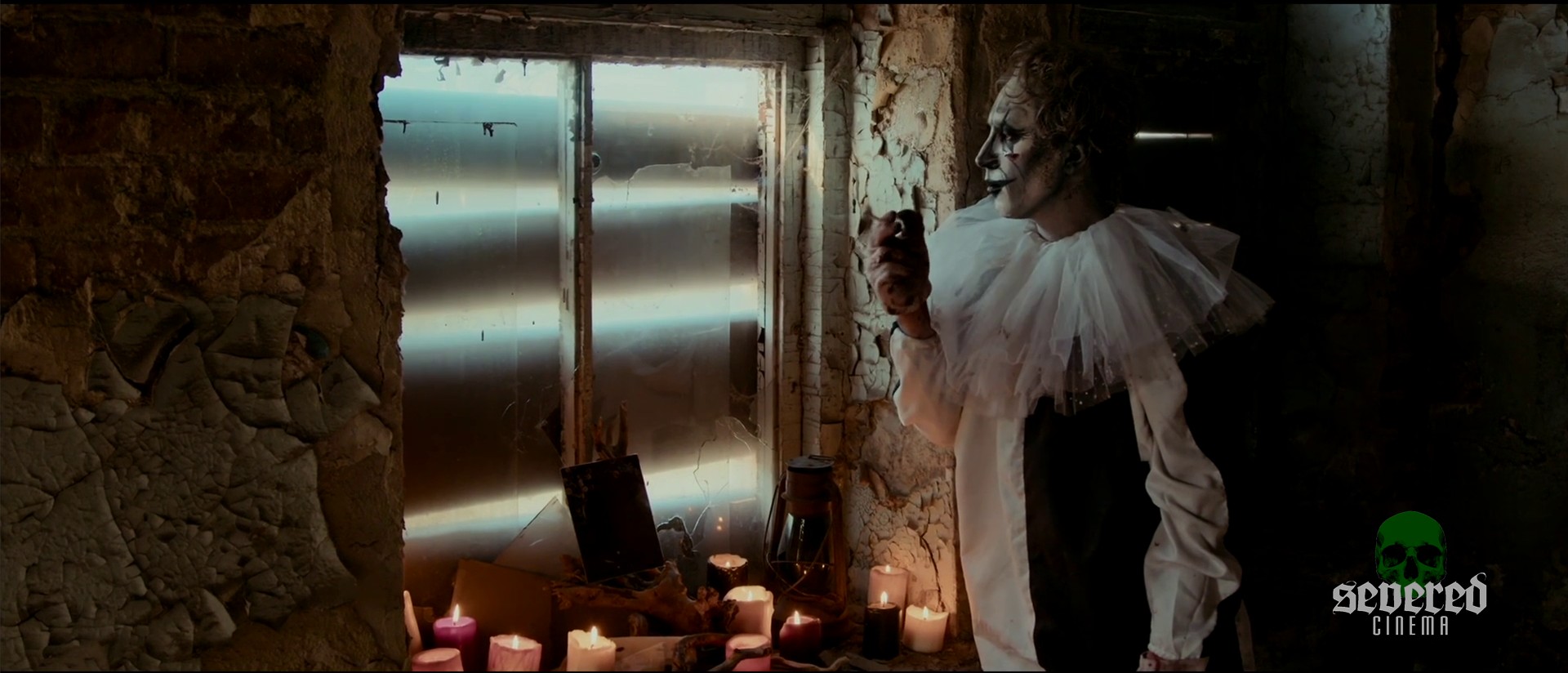
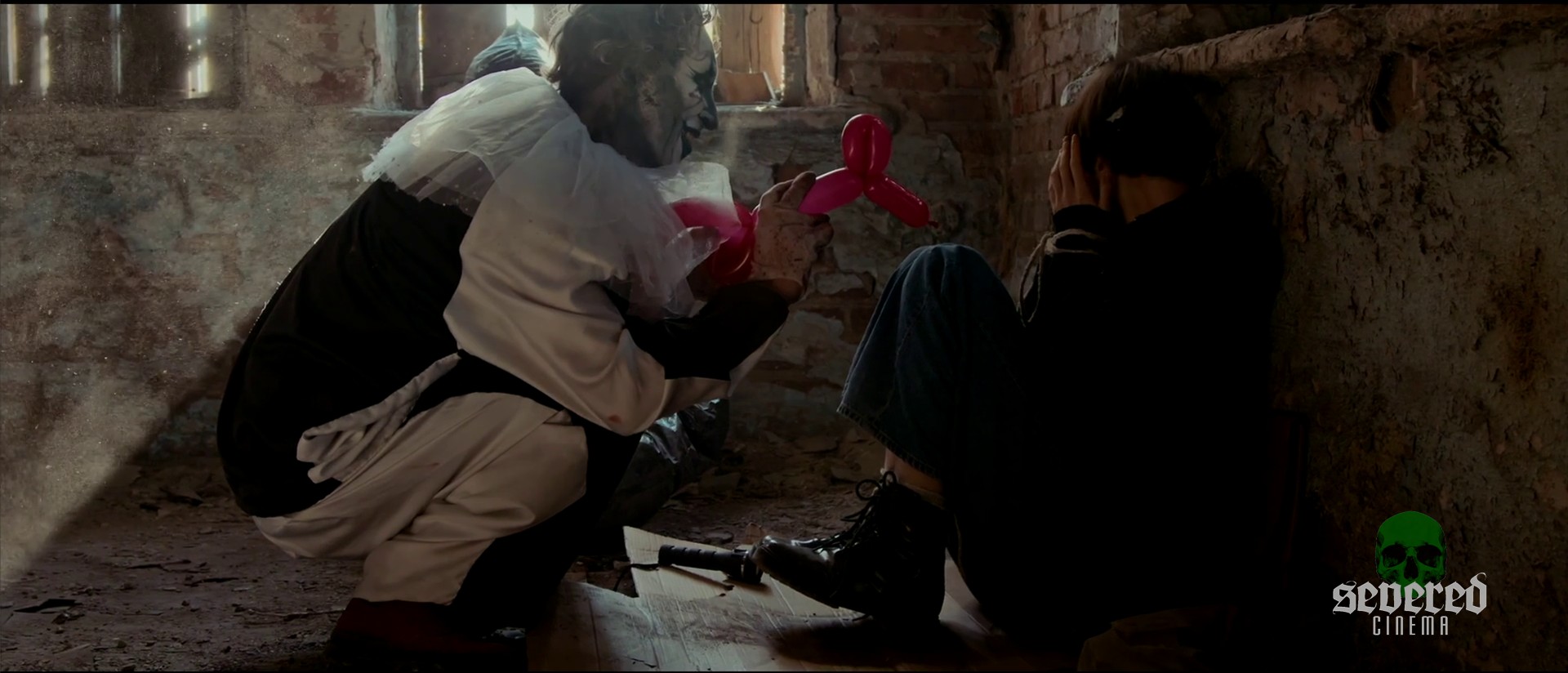
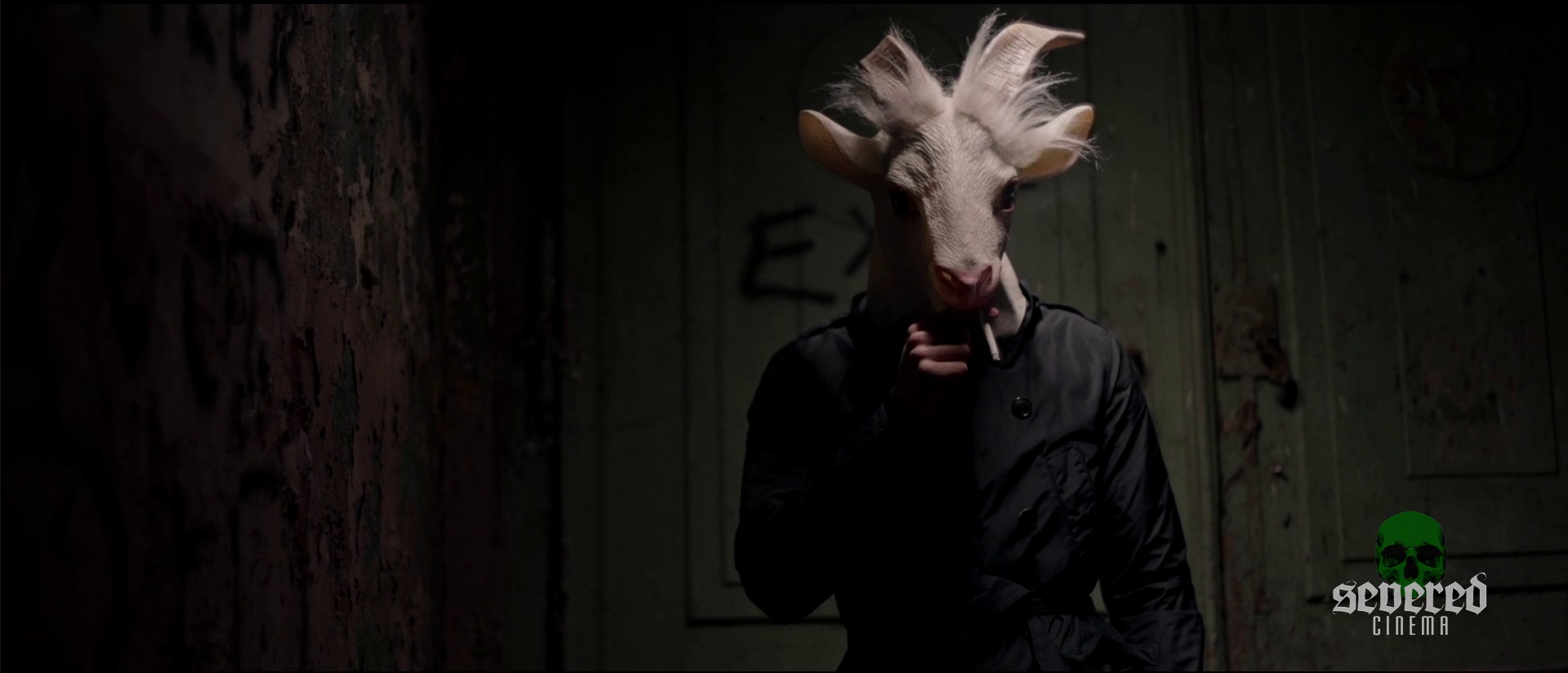
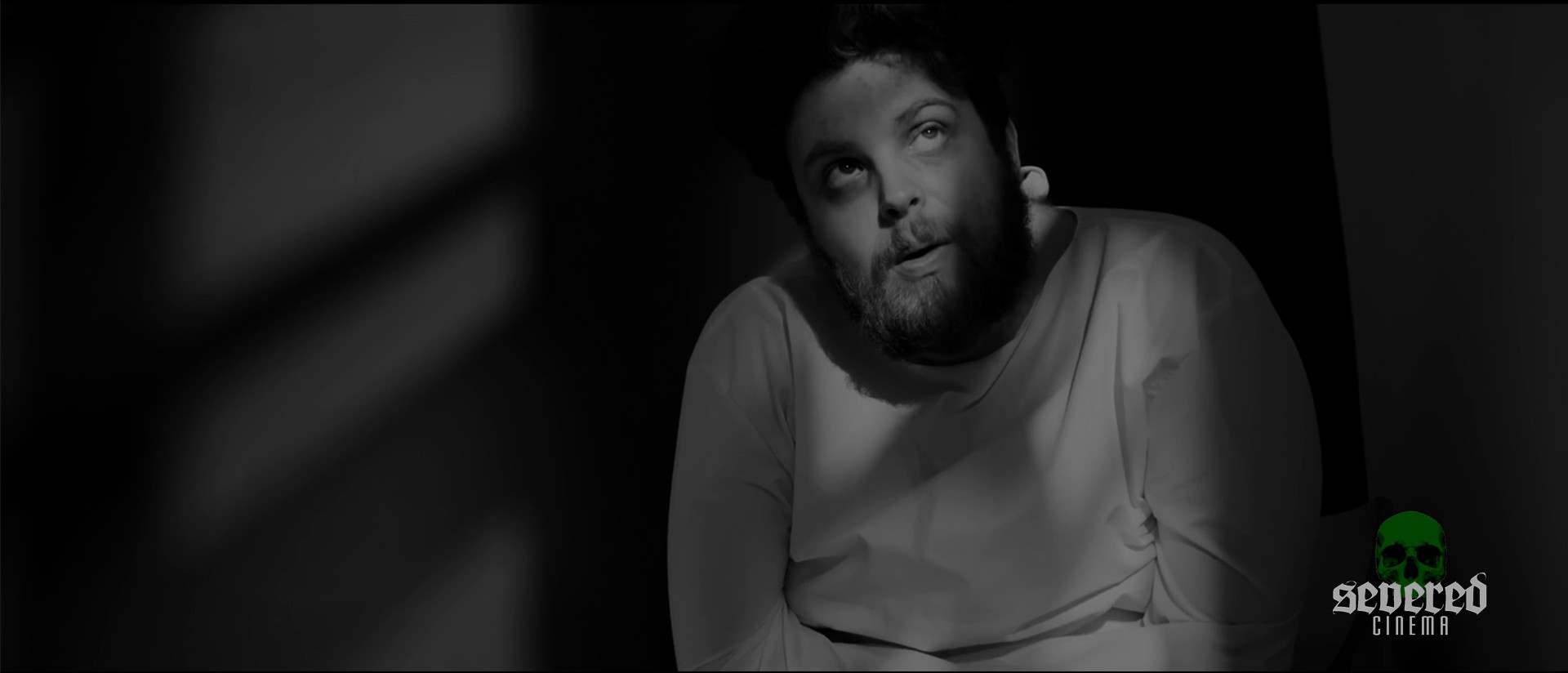
Chapter 1: Rot – A Descent into Madness: A man resembling the lead from the movie Powder reflects in a washroom, intercut with surreal montages. A clown fondles bloodied blades in a decrepit building, kidnaps a child, and plays with a garbage-bagged corpse. The editing is sharp, the imagery interesting — but a plot never materializes.
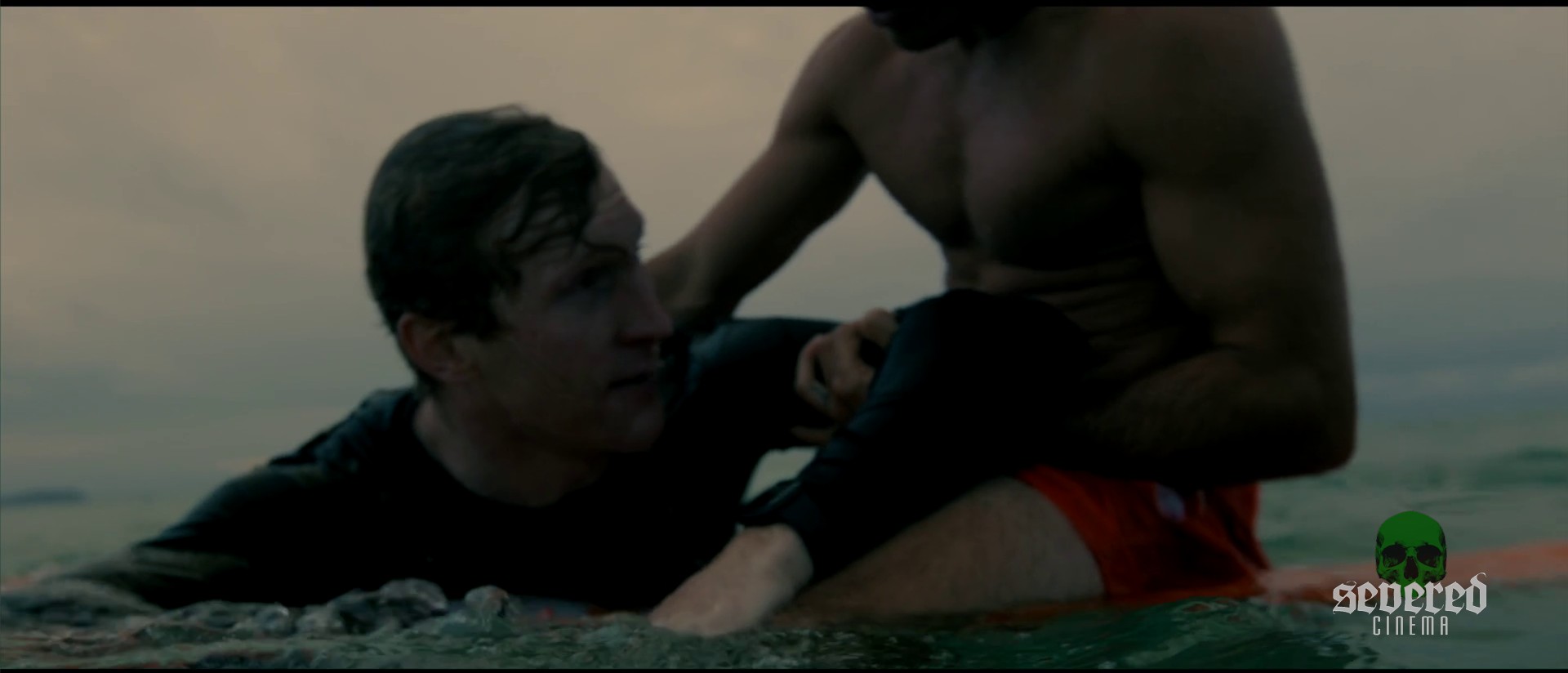
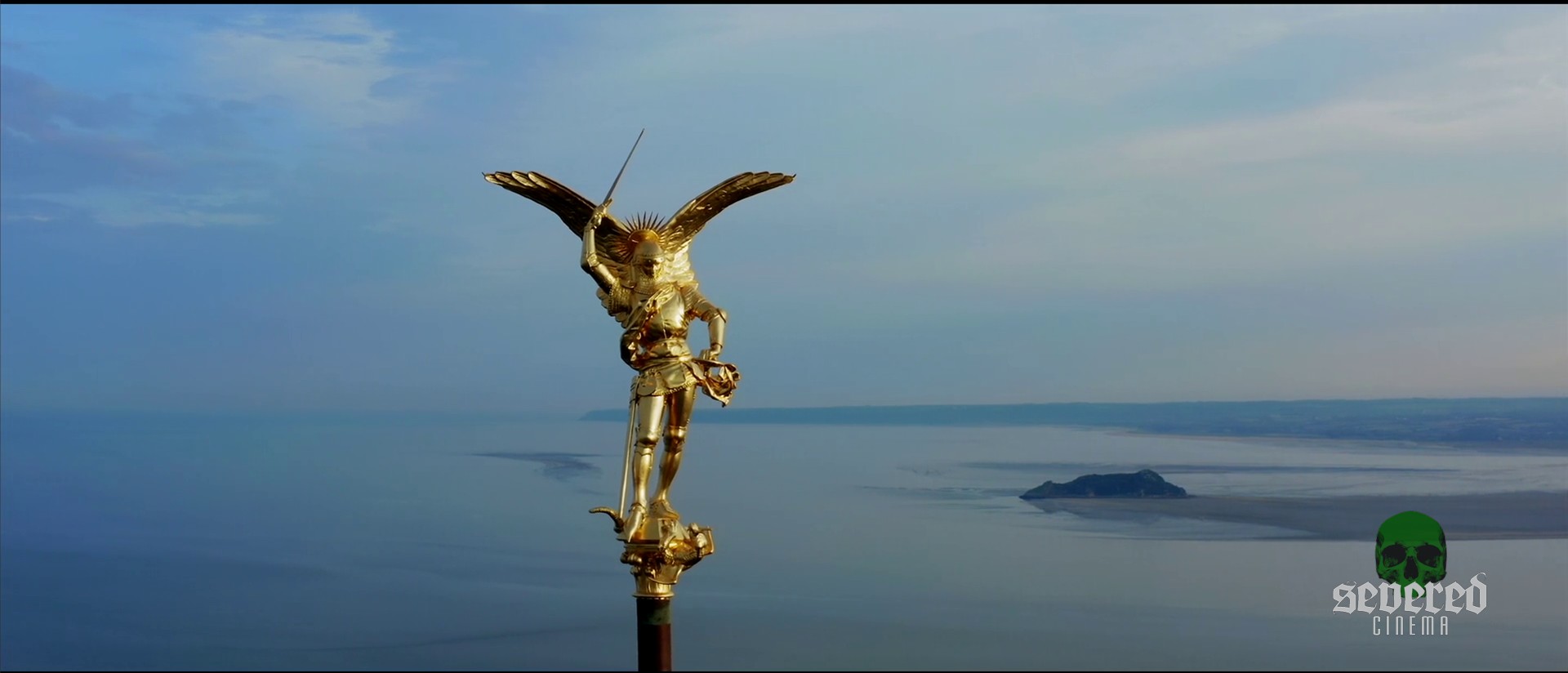
Chapter 2: Deep Dive: A drowning man is rescued by lifeguards, framed alongside surreal footage of the Saint Michael statue defeating the dragon at Mont Saint-Michel Abbey. Beautiful, symbolic, yet it all still feels spliced from separate projects.
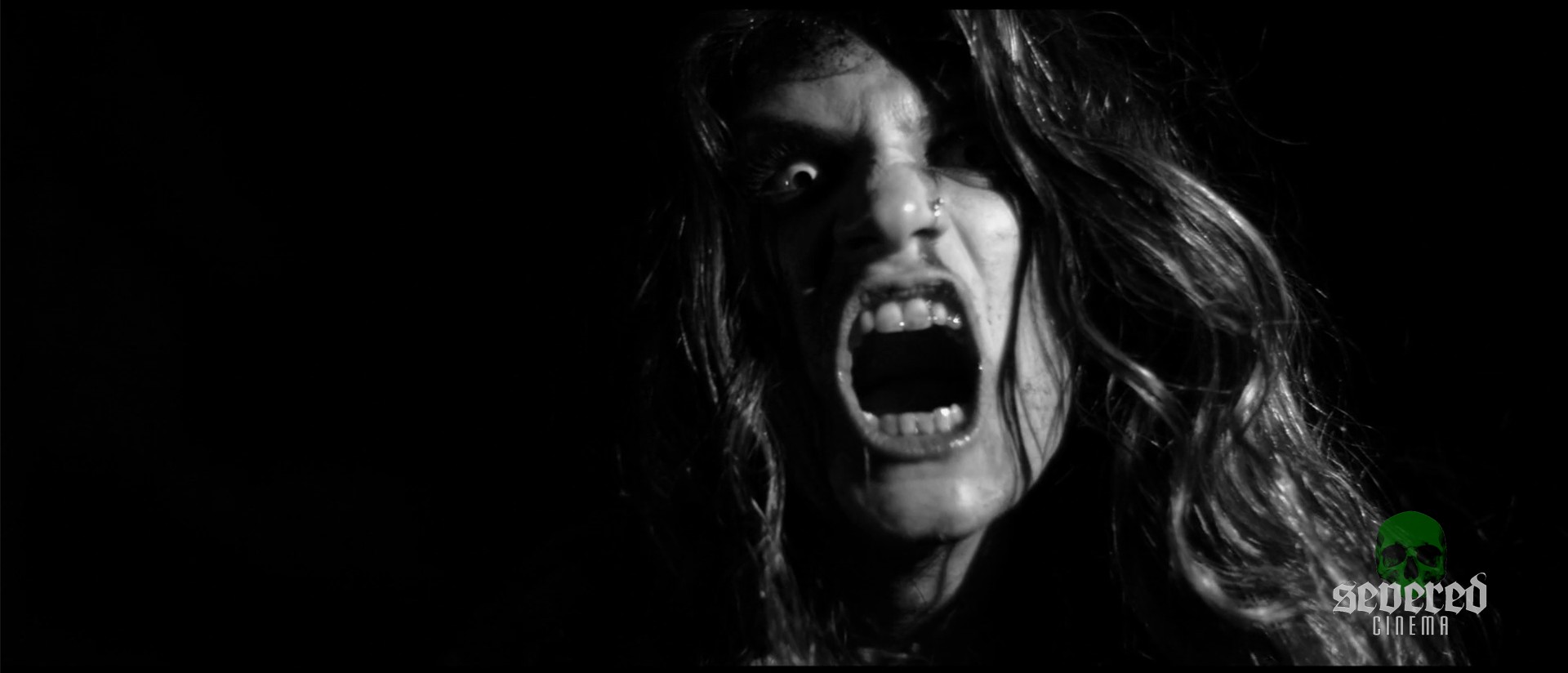
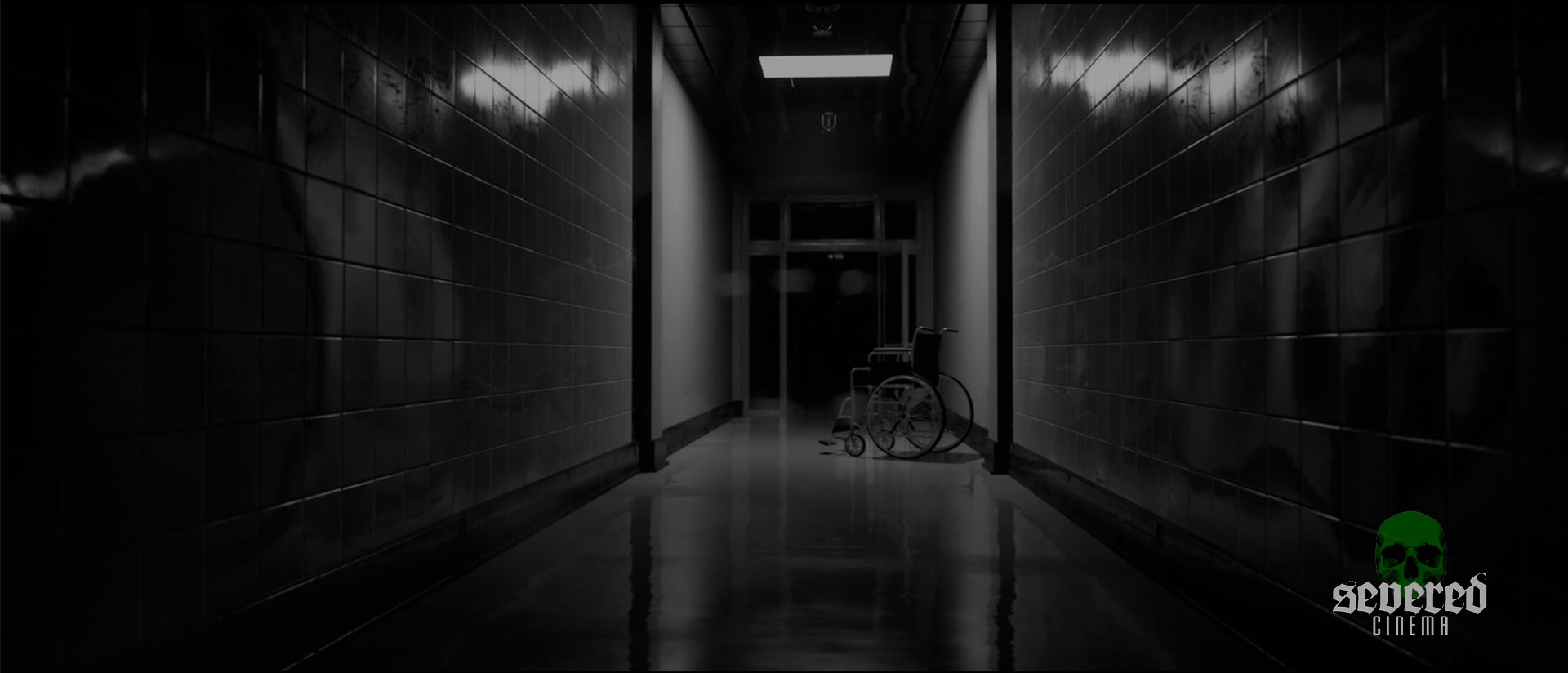
Chapter 3: Helpless – Embrace the Insanity: Black-and-white demonic visions clash with hospital corridors. A cloaked Christ figure wanders fields as “Amazing Grace” plays. Suffering and death are intercut, hammering home despair, but the lack of flow prevents any sort of resonance.
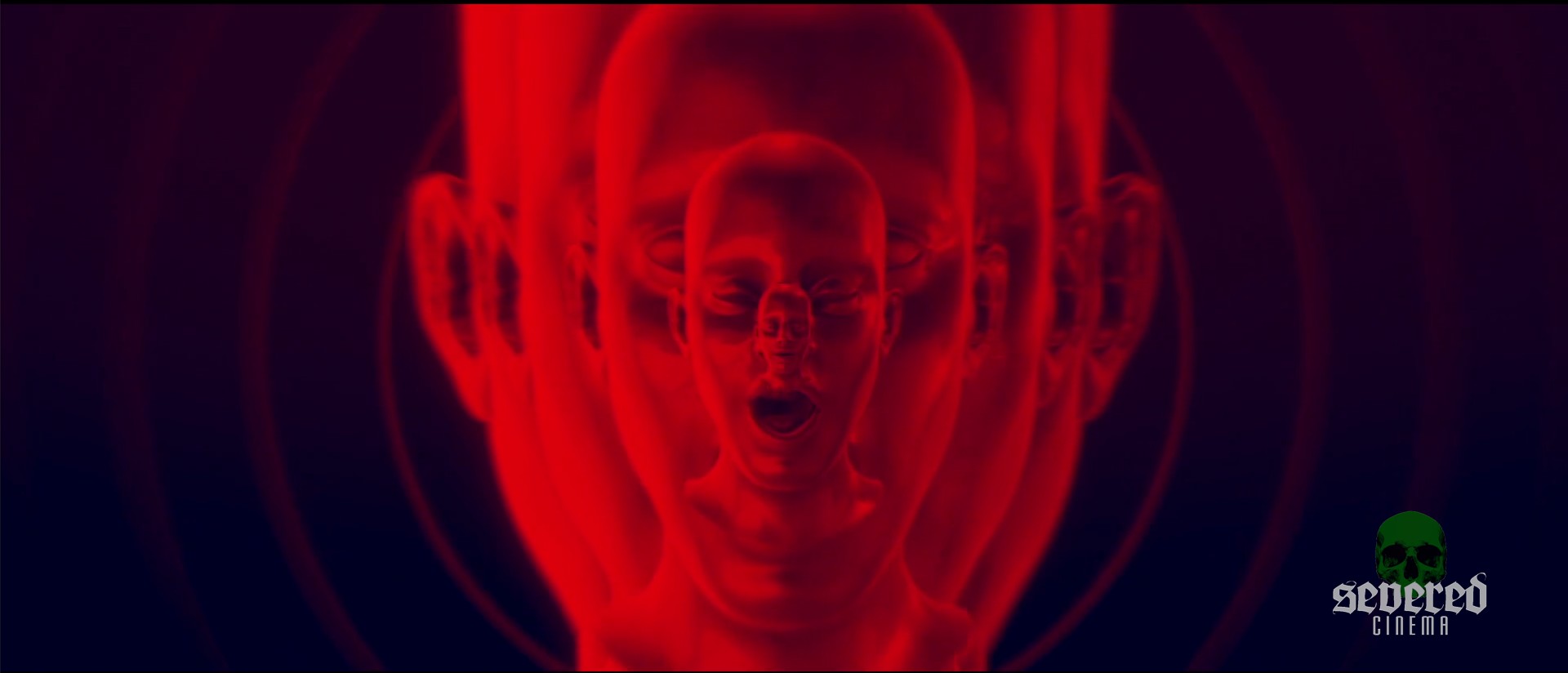
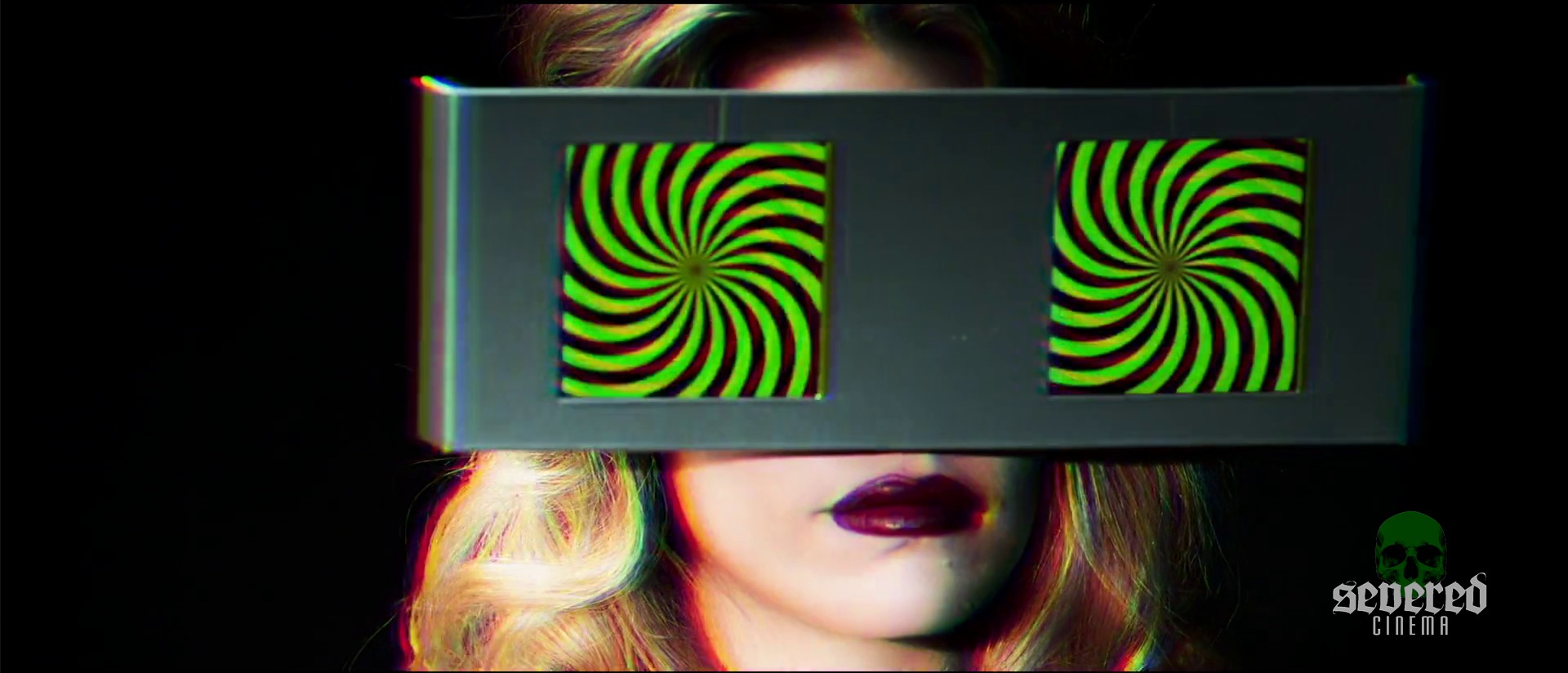
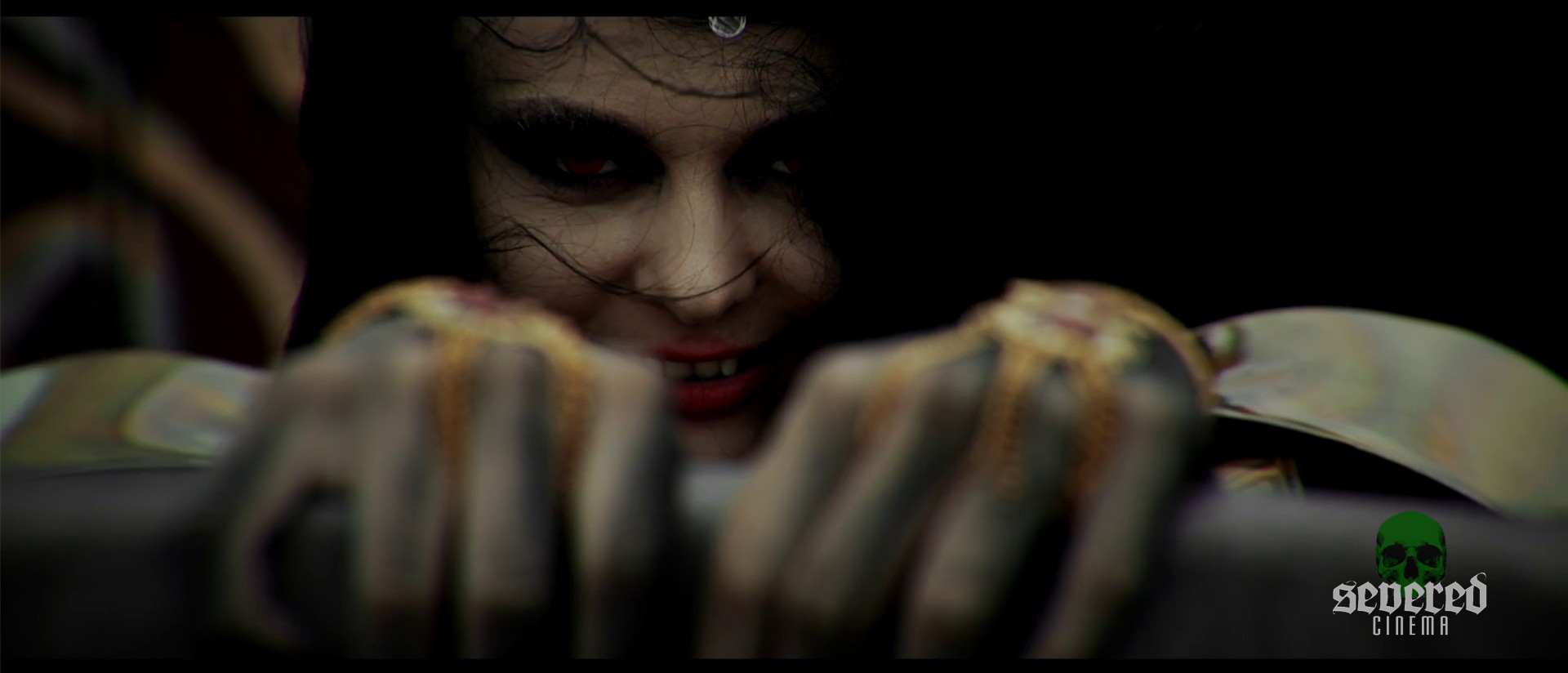
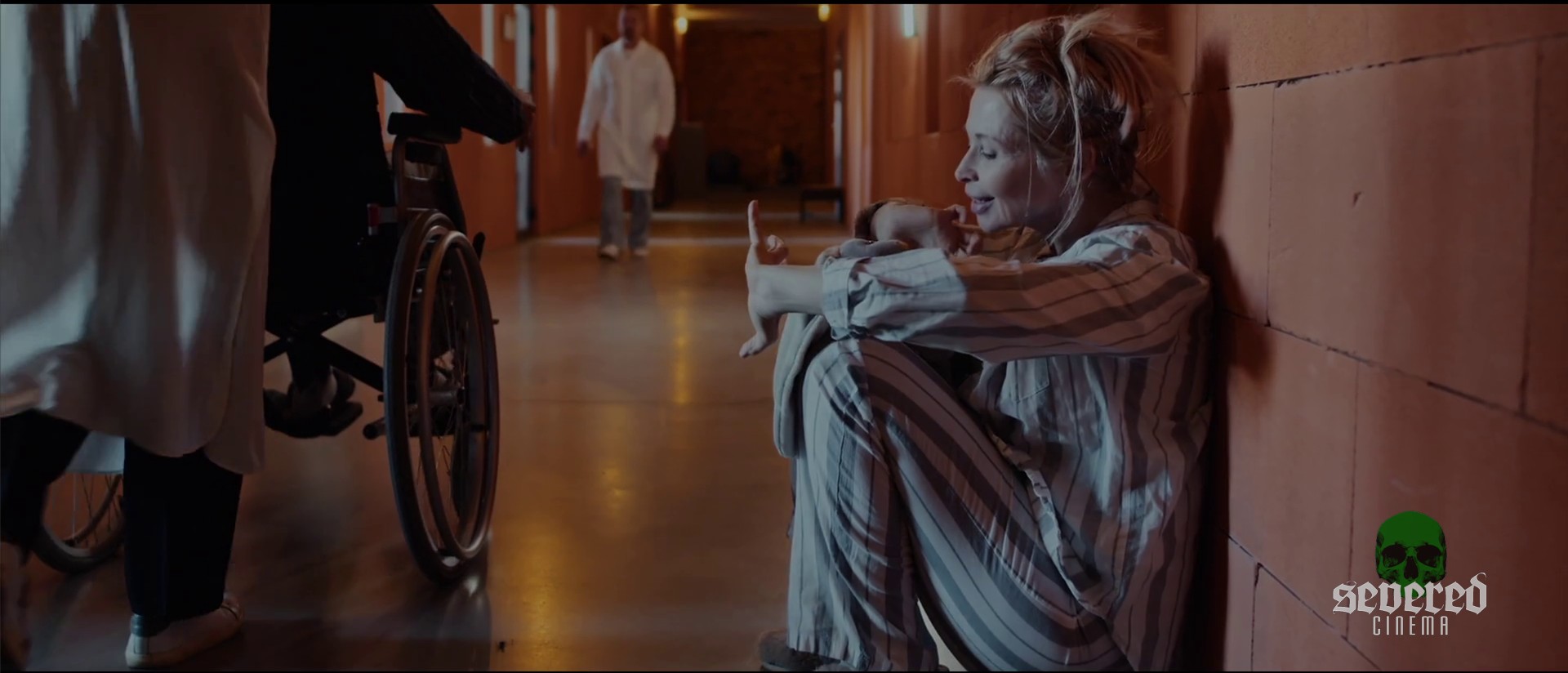
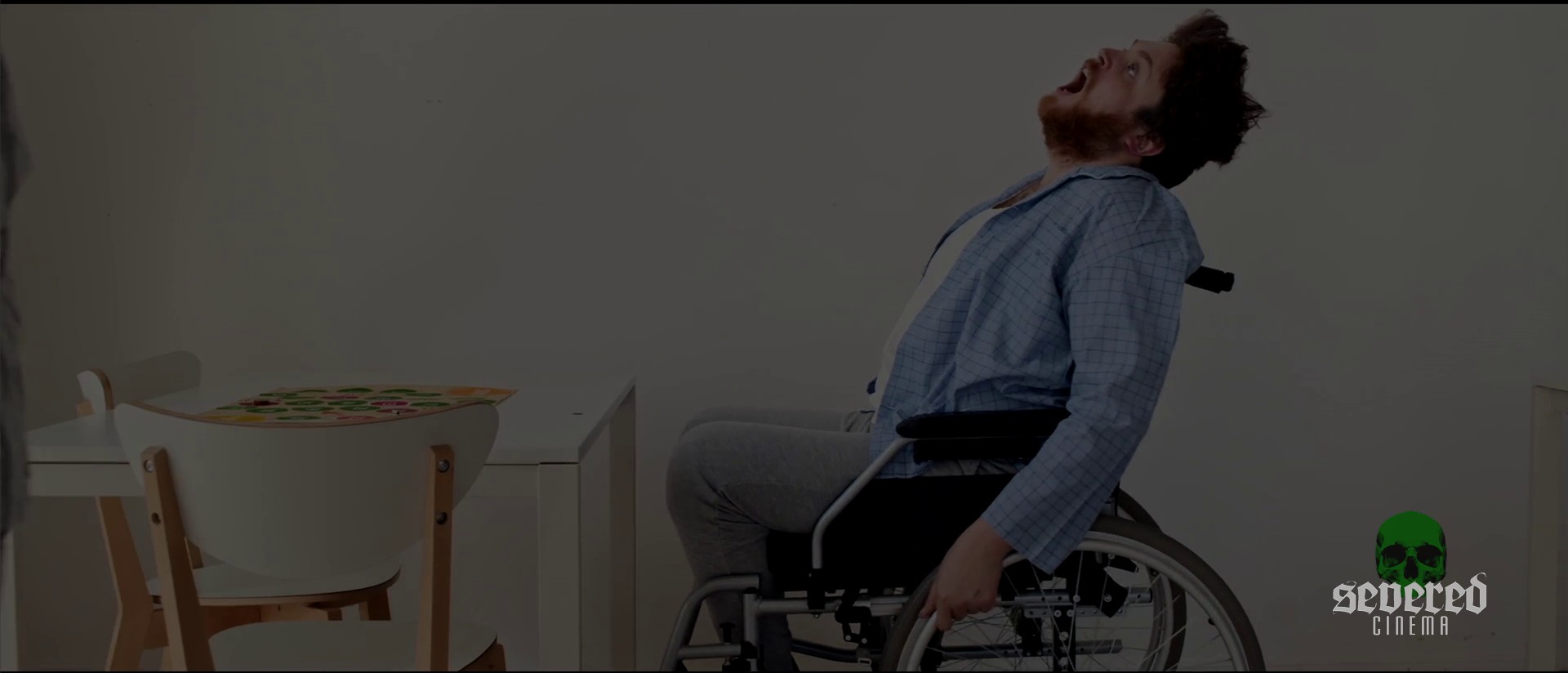
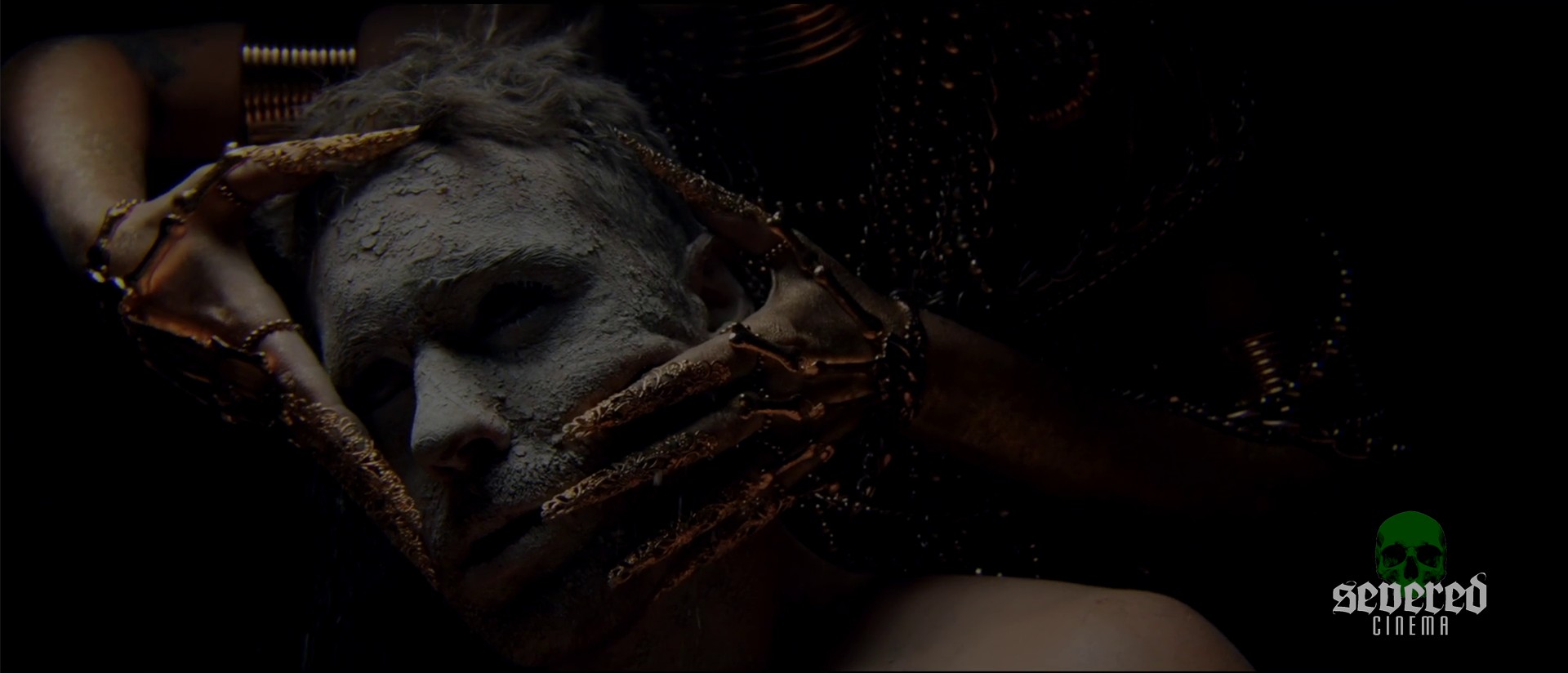
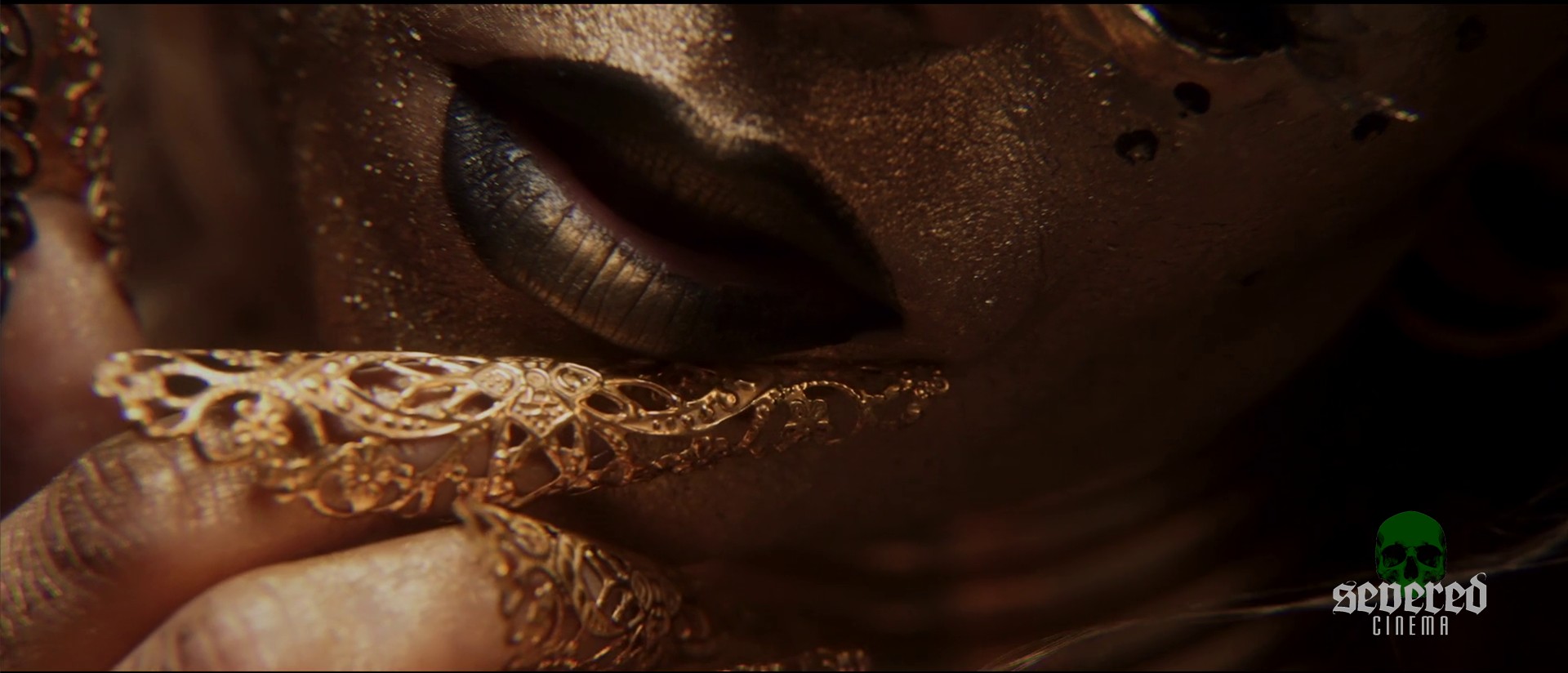
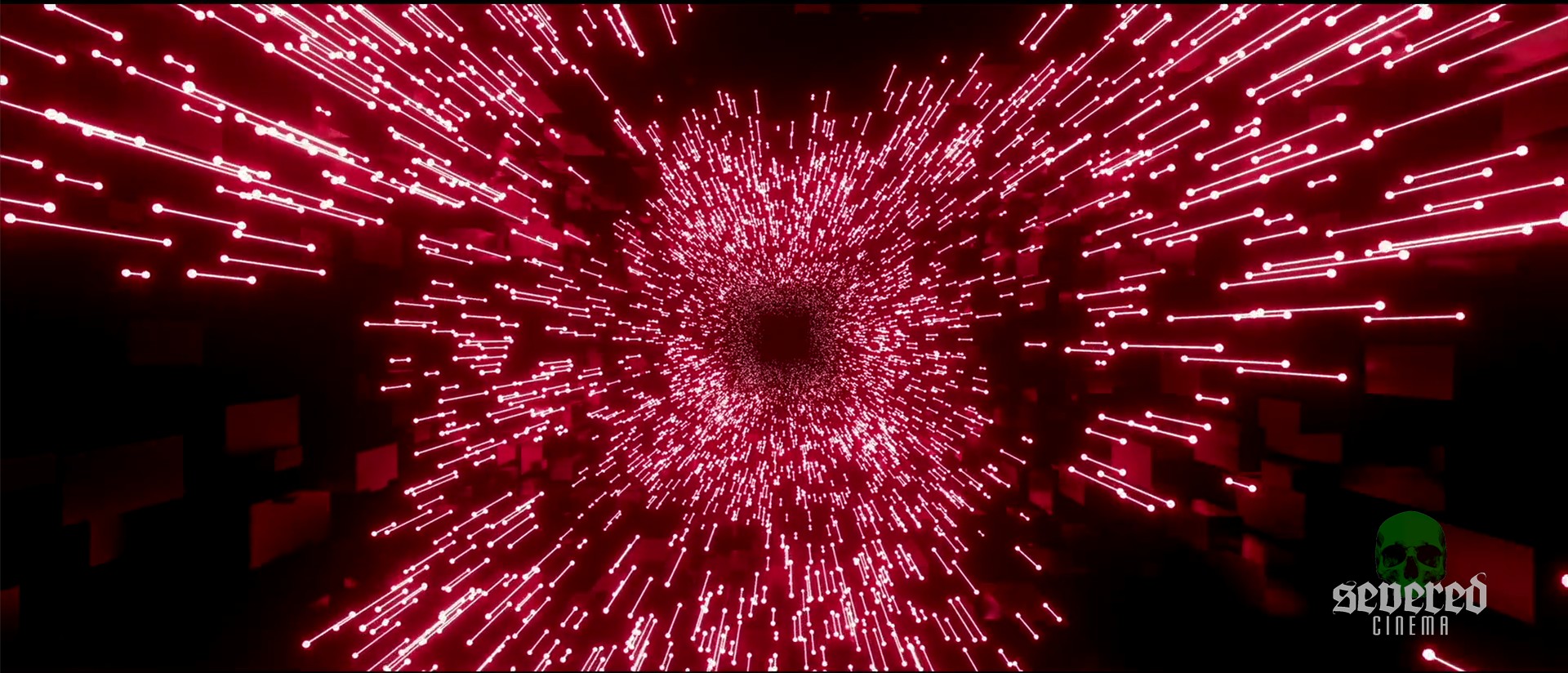
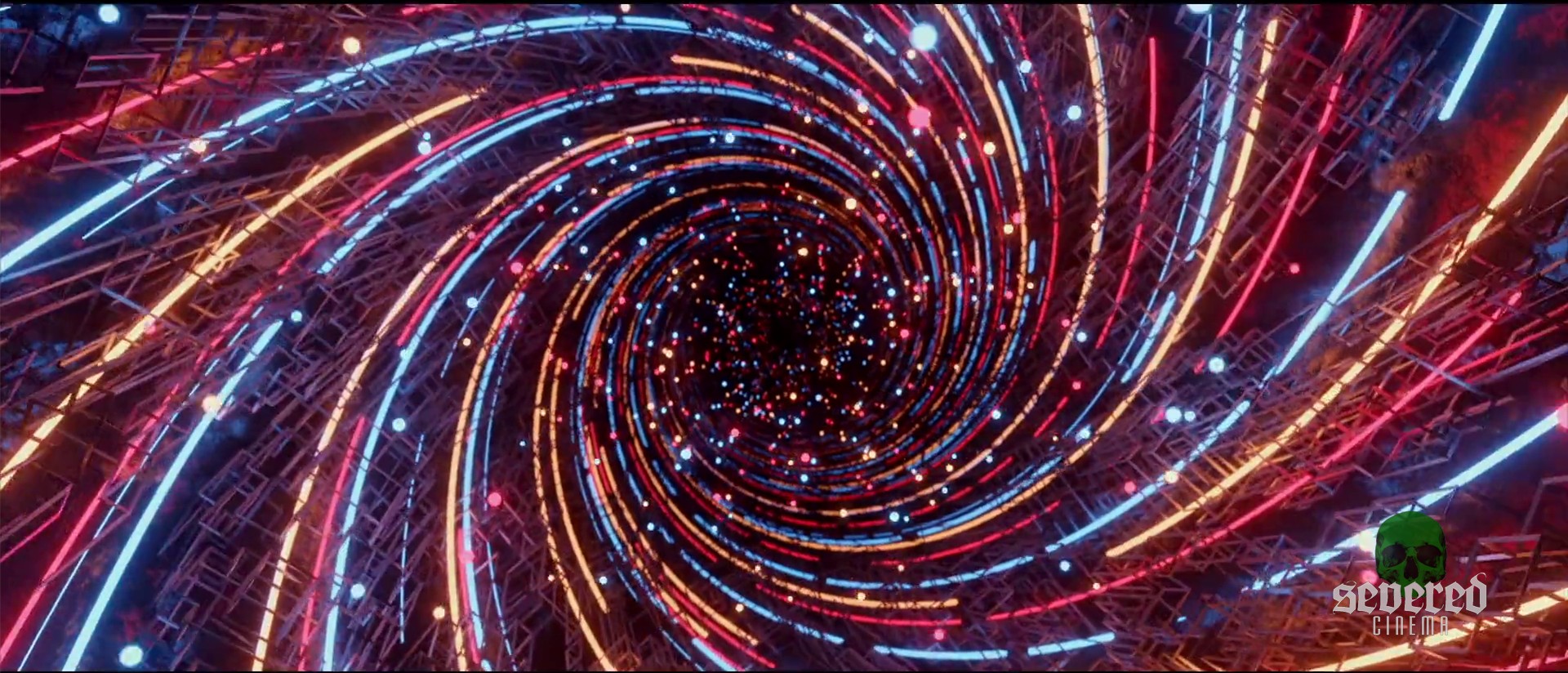
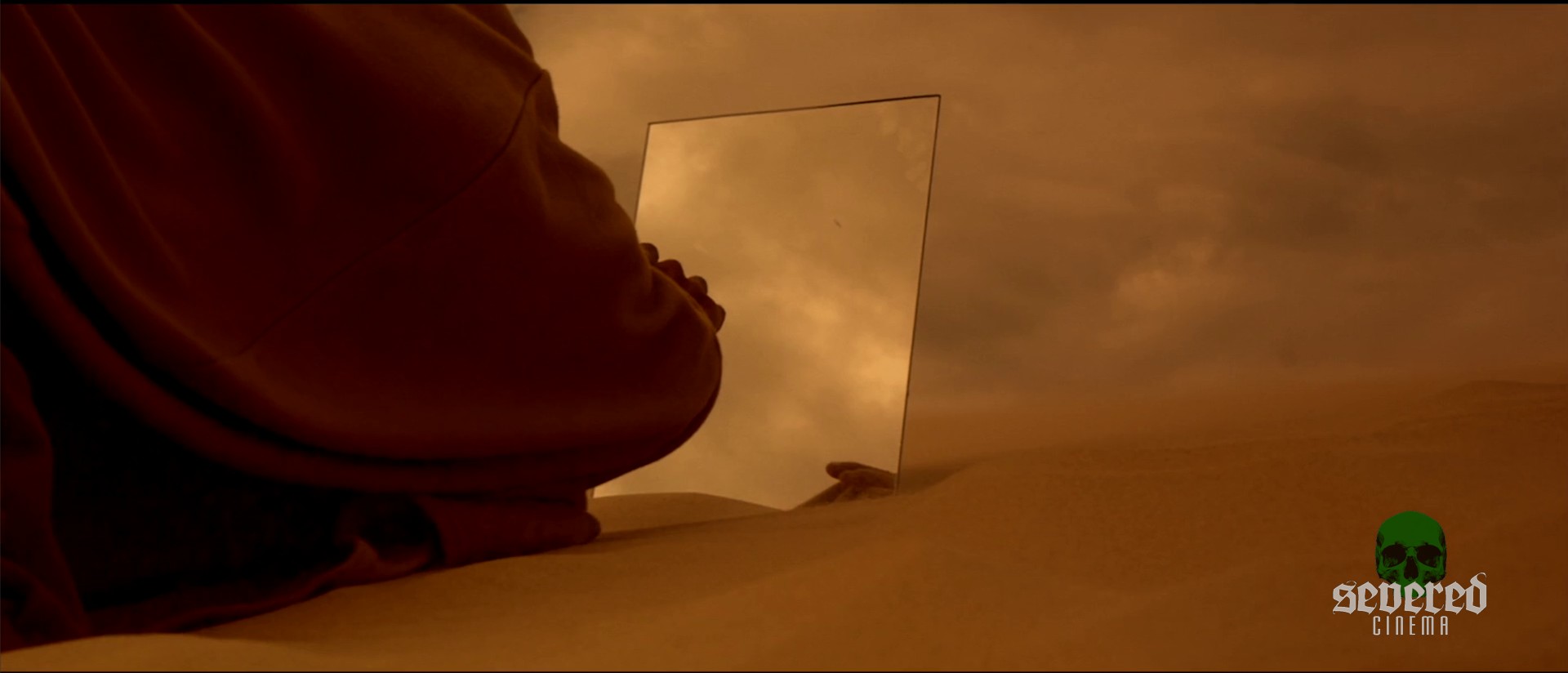
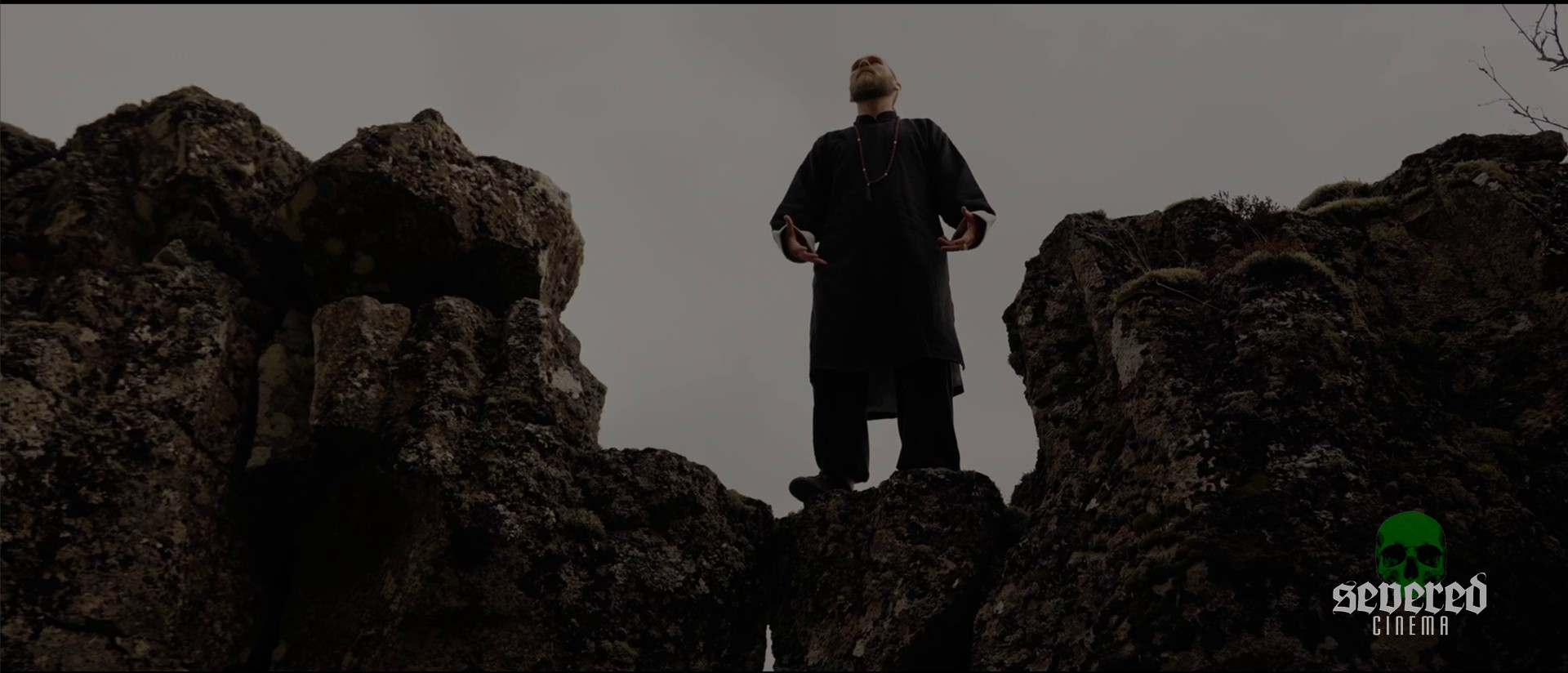
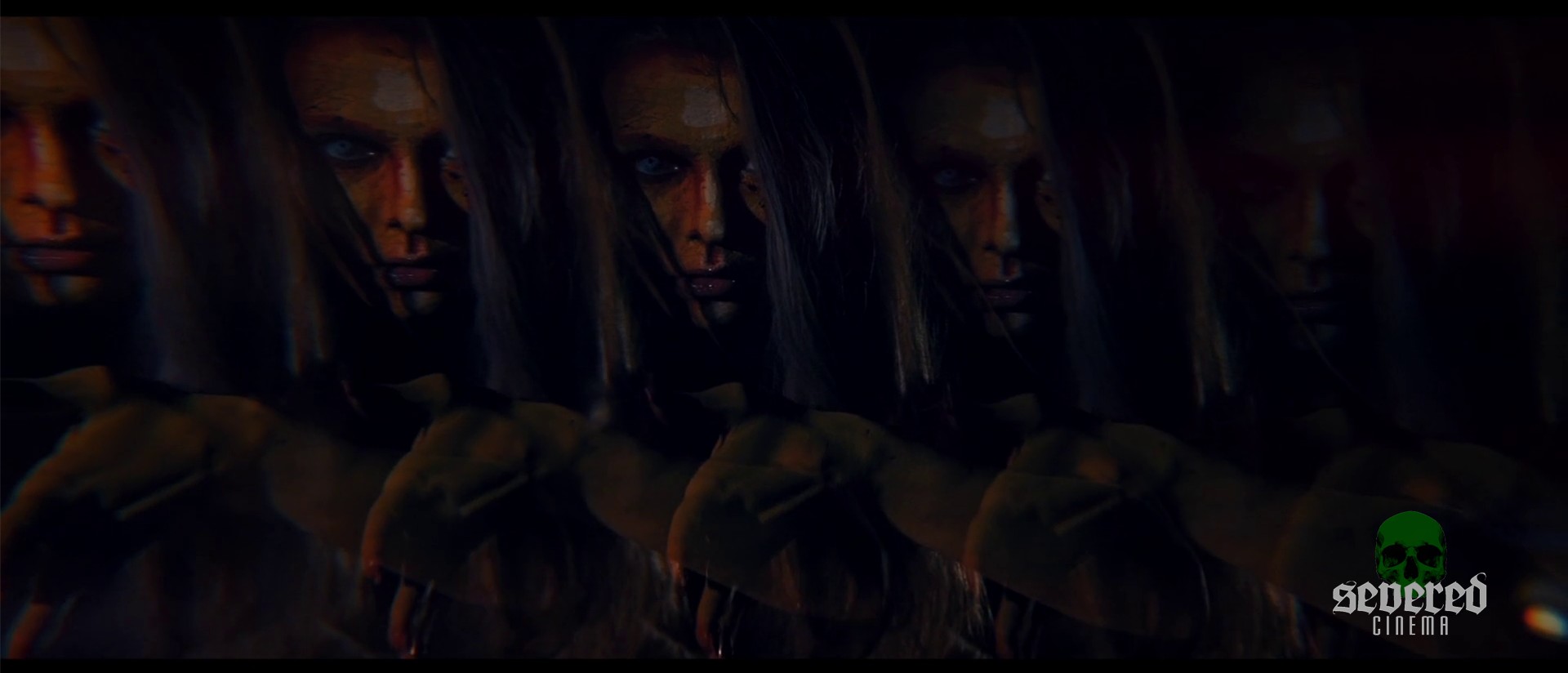
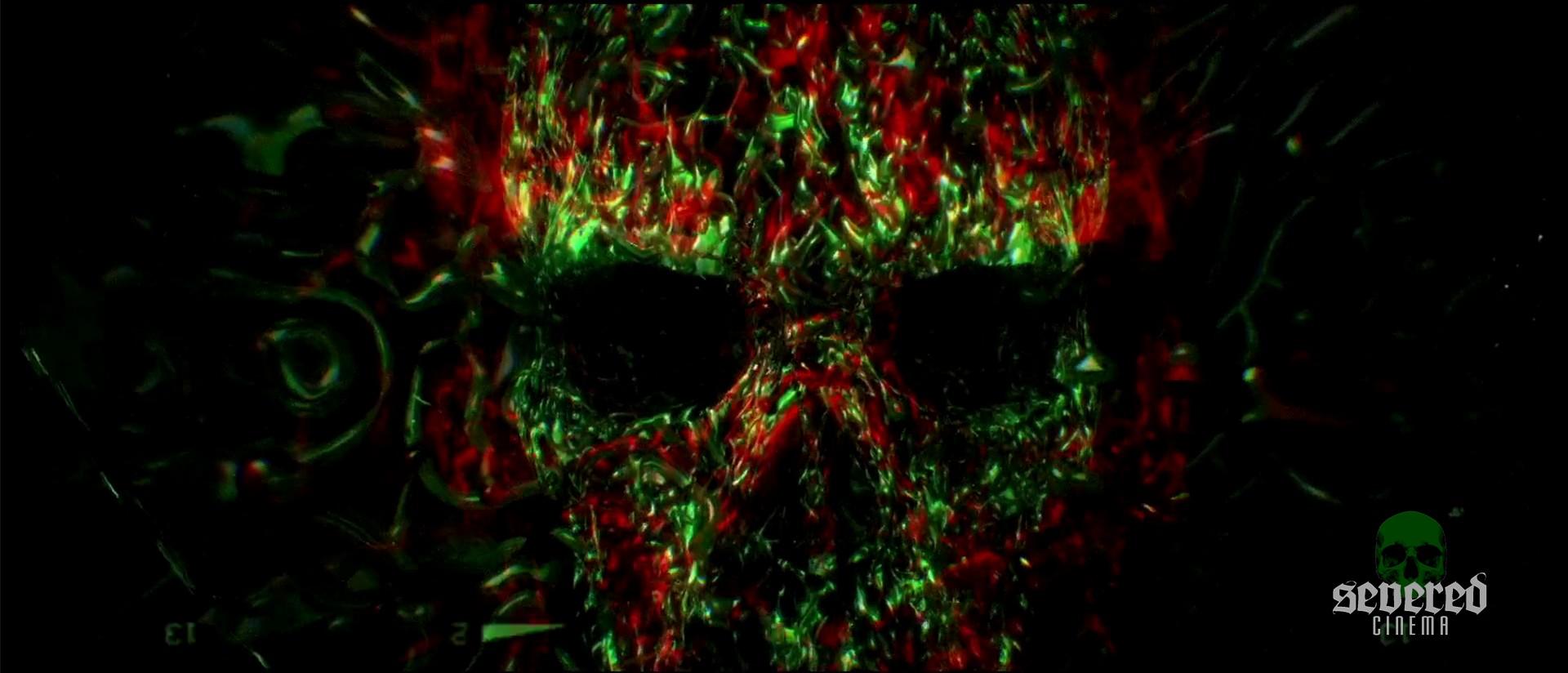
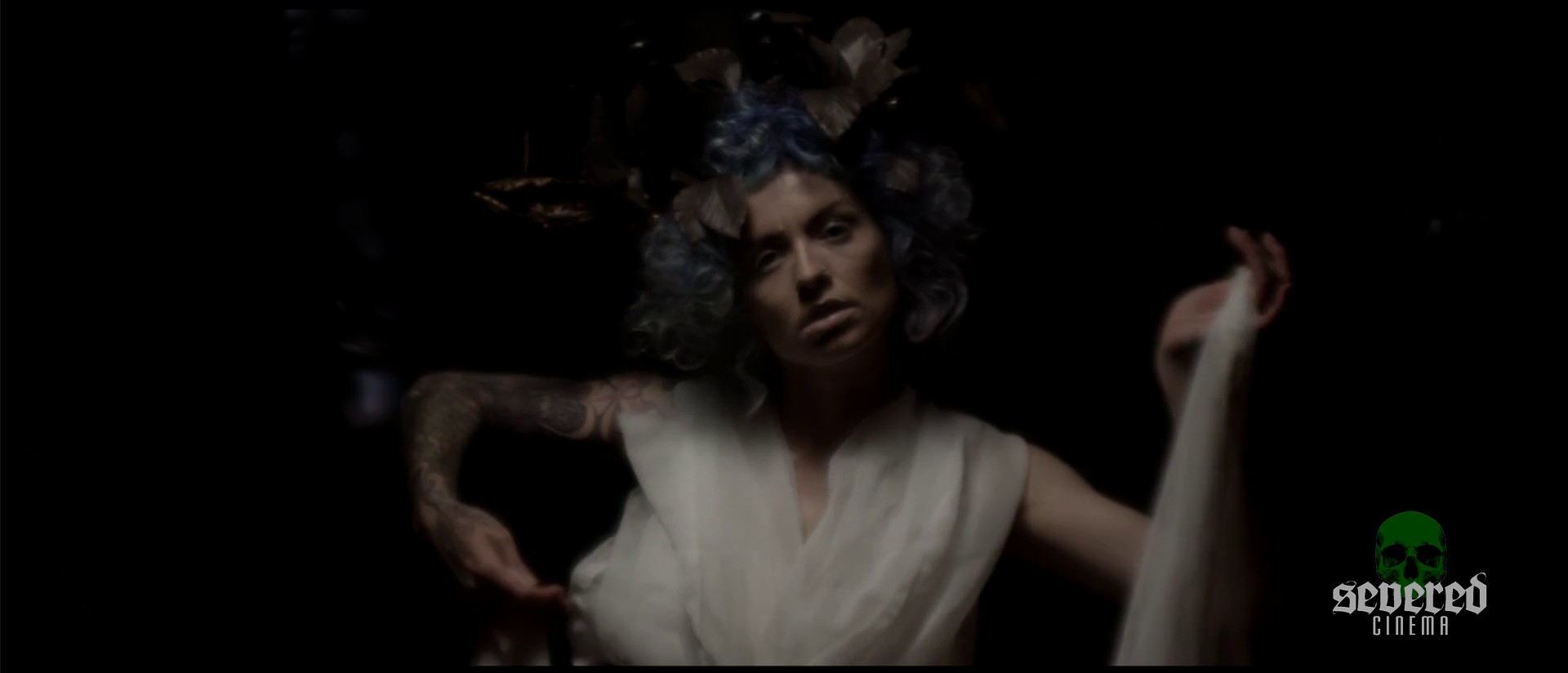
Chapter 4: Black – We All Go a Little Black: Mental patients writhe in asylum corridors. A red-bearded man hams it up in cartoonish madness. Abruptly, imagery shifts to a jewelry-clad woman caressing a plaster painted face, kaleidoscopic visuals shimmer, a robed figure walks through a desert, a mirror stands in the desert sand. Are these inner visions? Or stock fragments assembled without purpose?
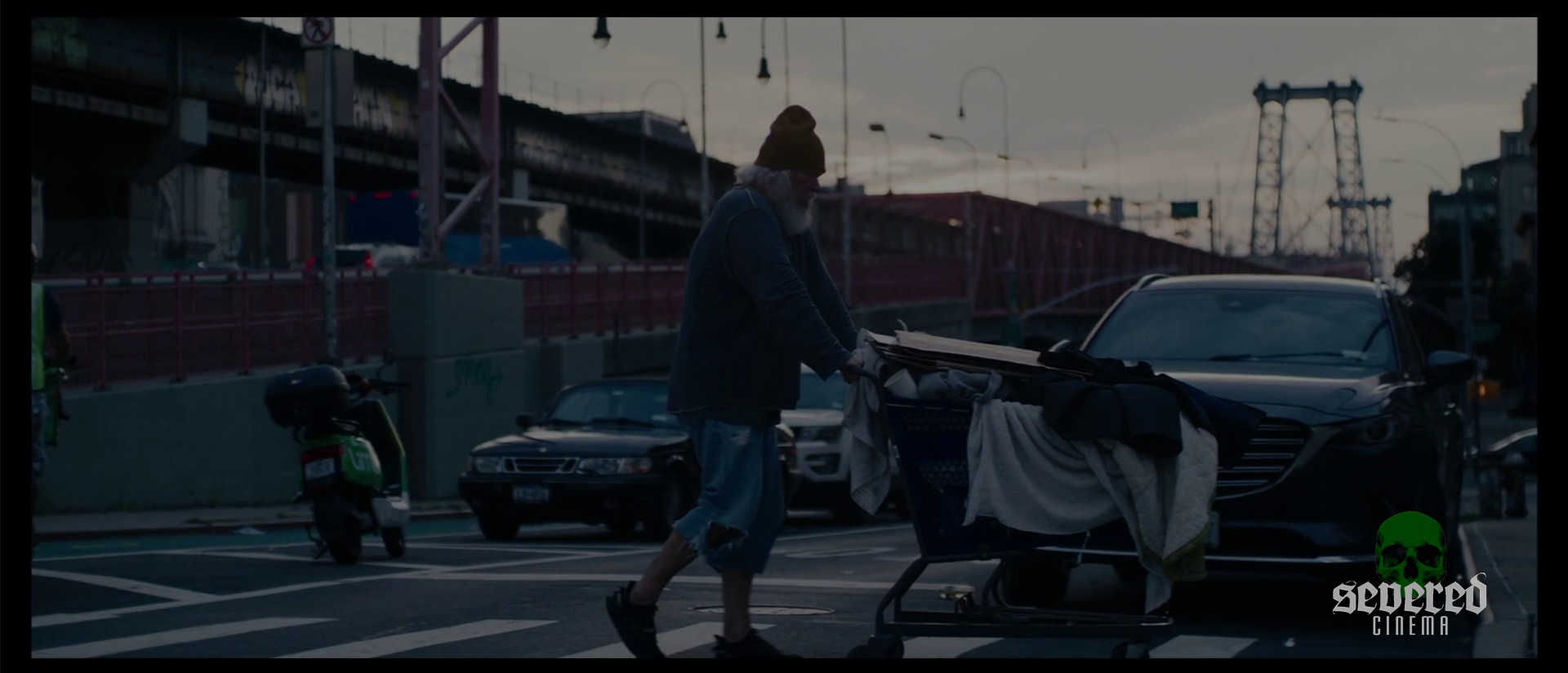
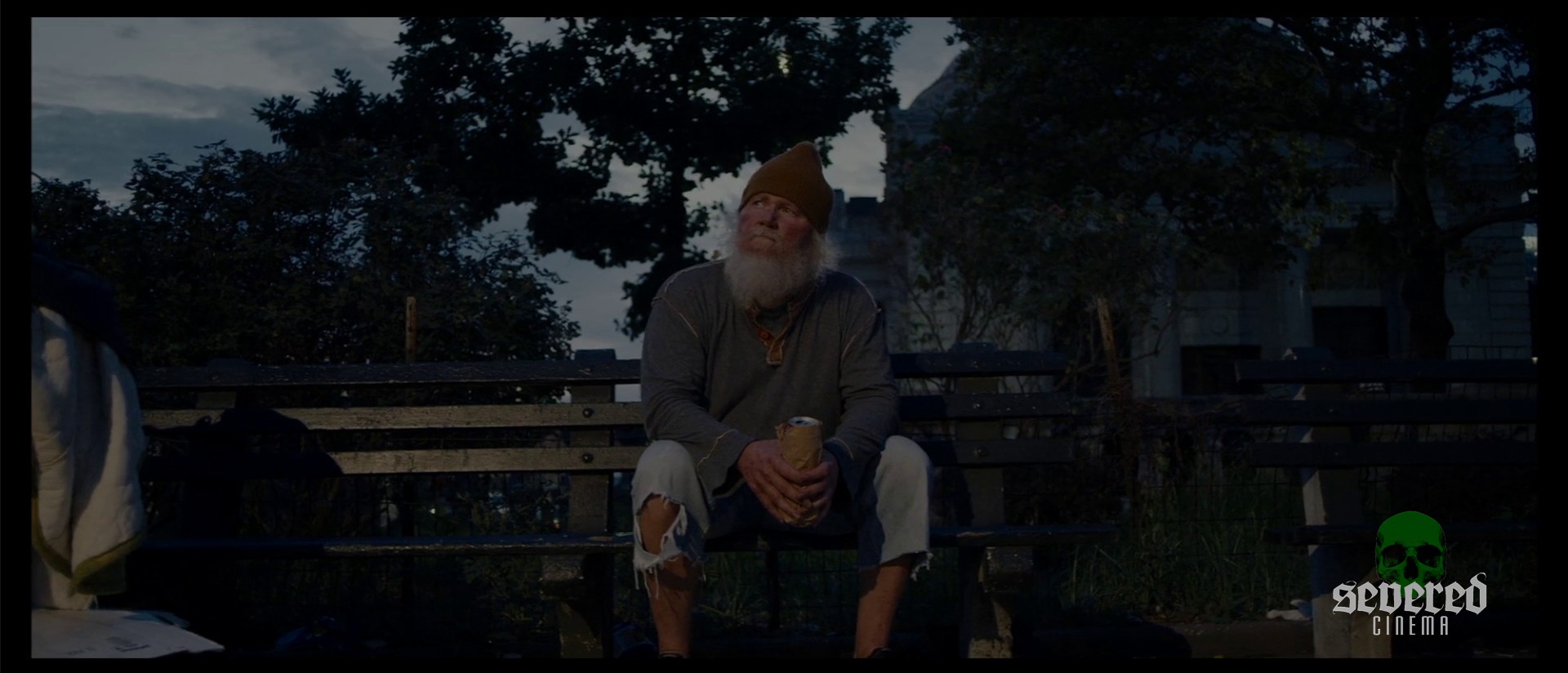
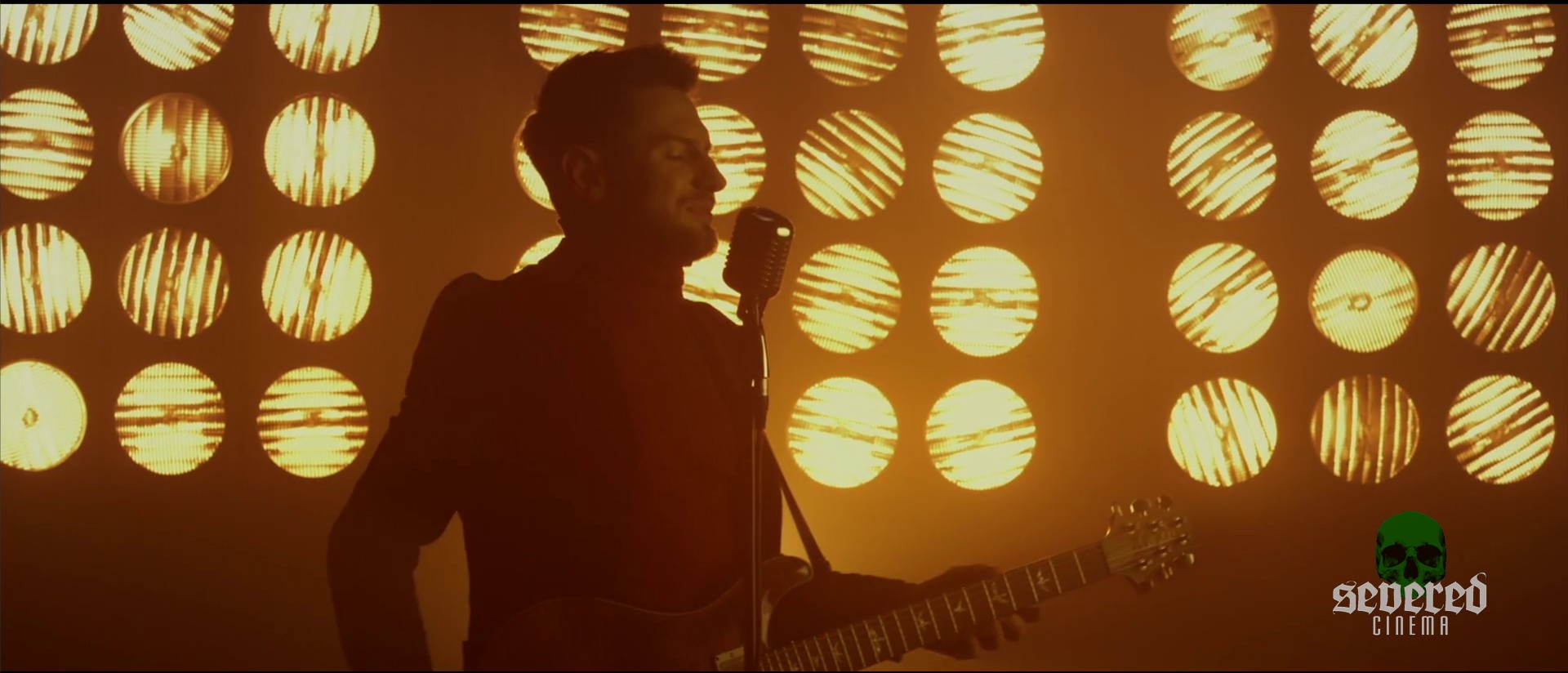
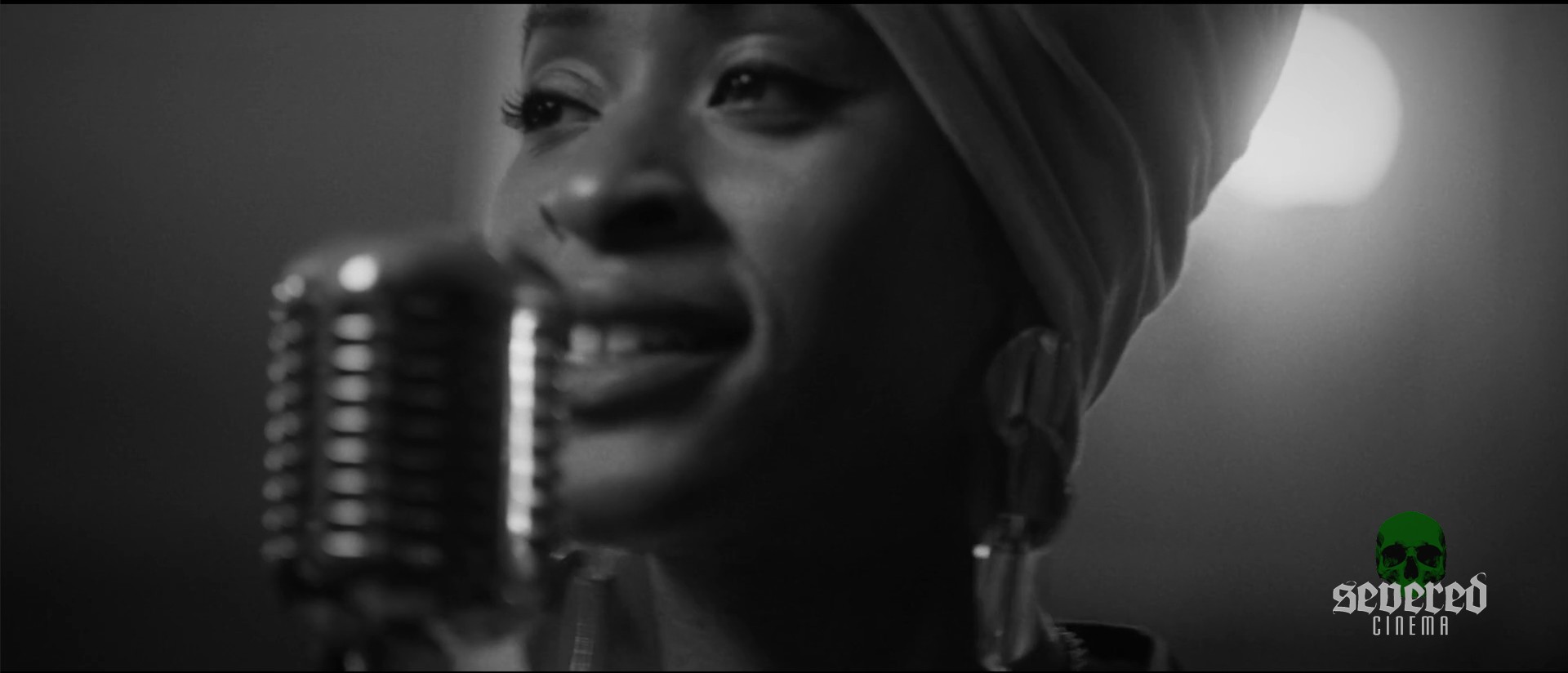
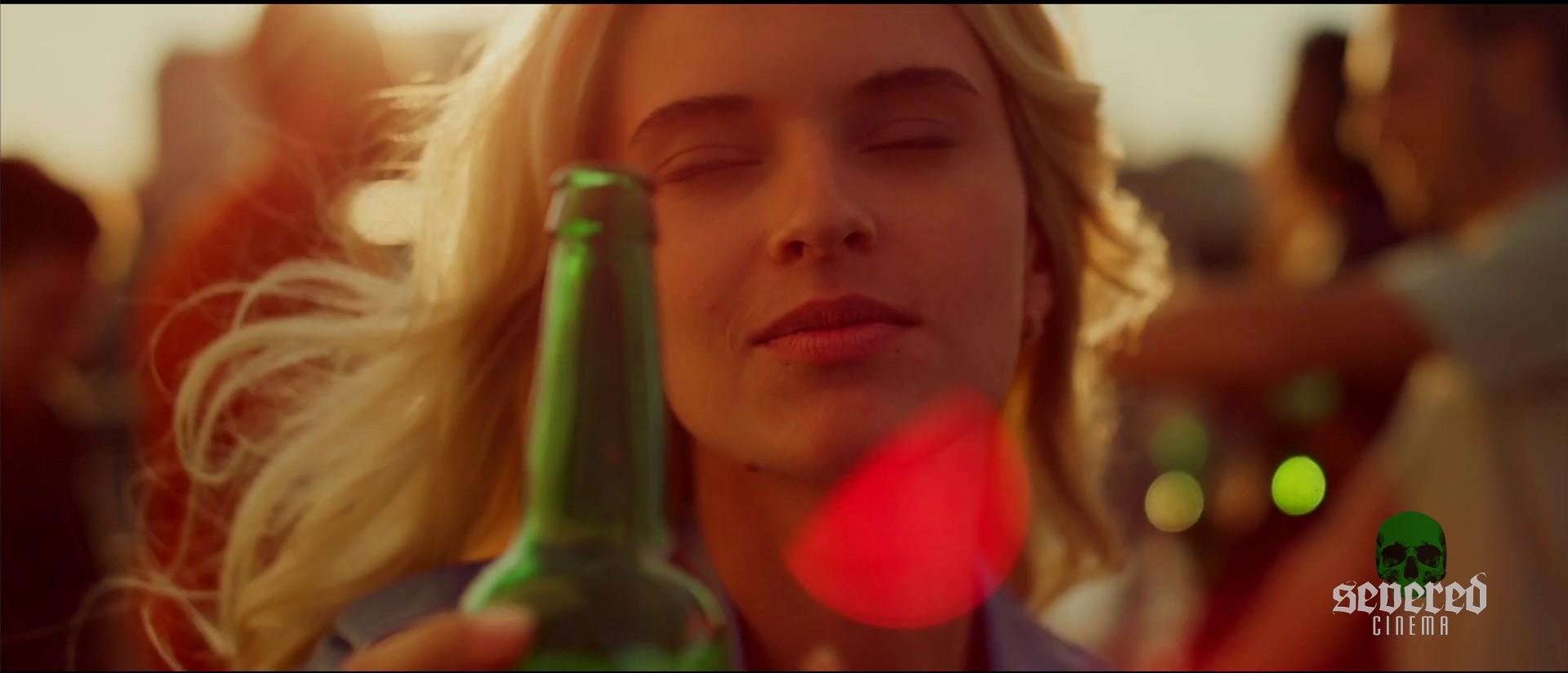
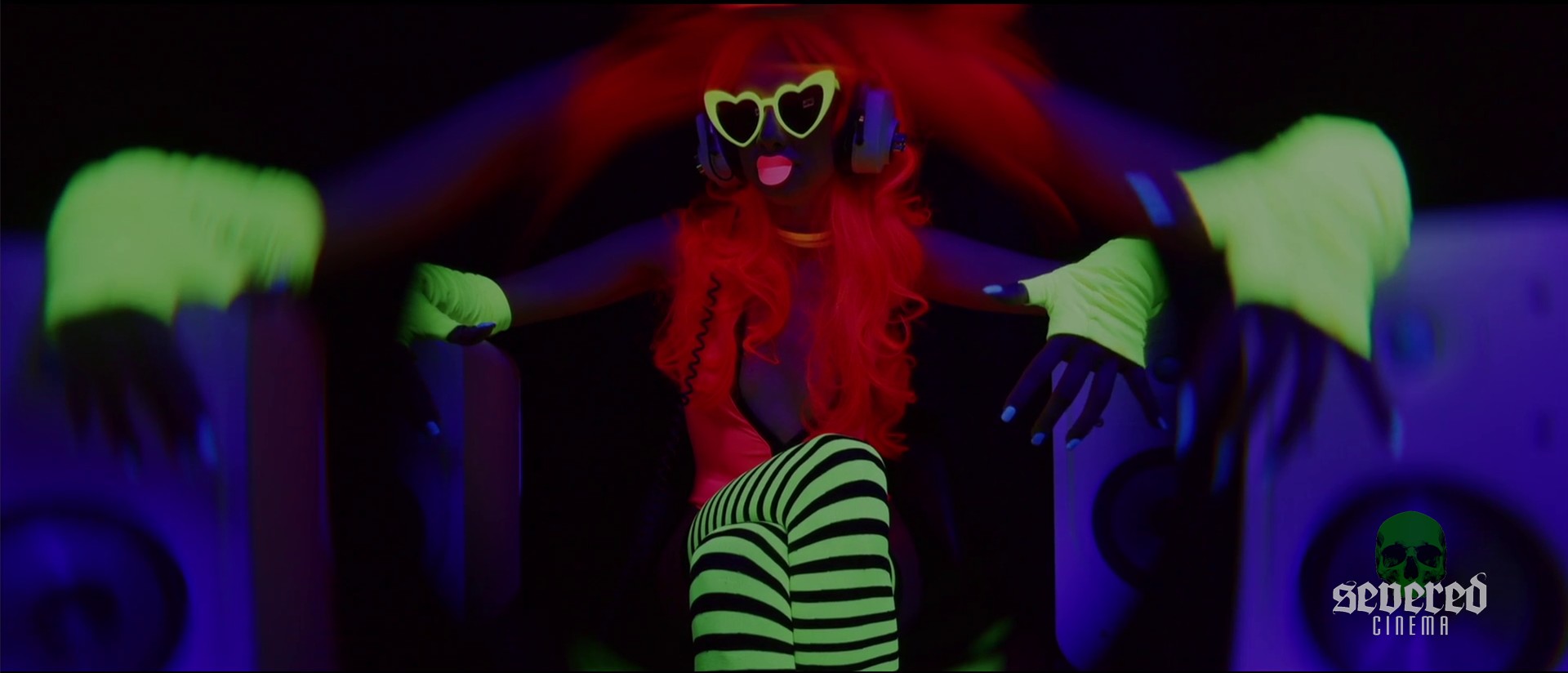
Chapter 5: Spectrum – Embrace the Light: A homeless man drags a cart through city streets. The Bible slams down in slow motion. Then there’s an abrupt shift. An awkward music sequence begins: a band plays, but vocals clash with the rhythm, genres collide, and tonal whiplash ensues. Faces rush the screen, war footage dances to pop beats, neon-drenched women gyrate, the Grim Reaper strolls by. The result is baffling.
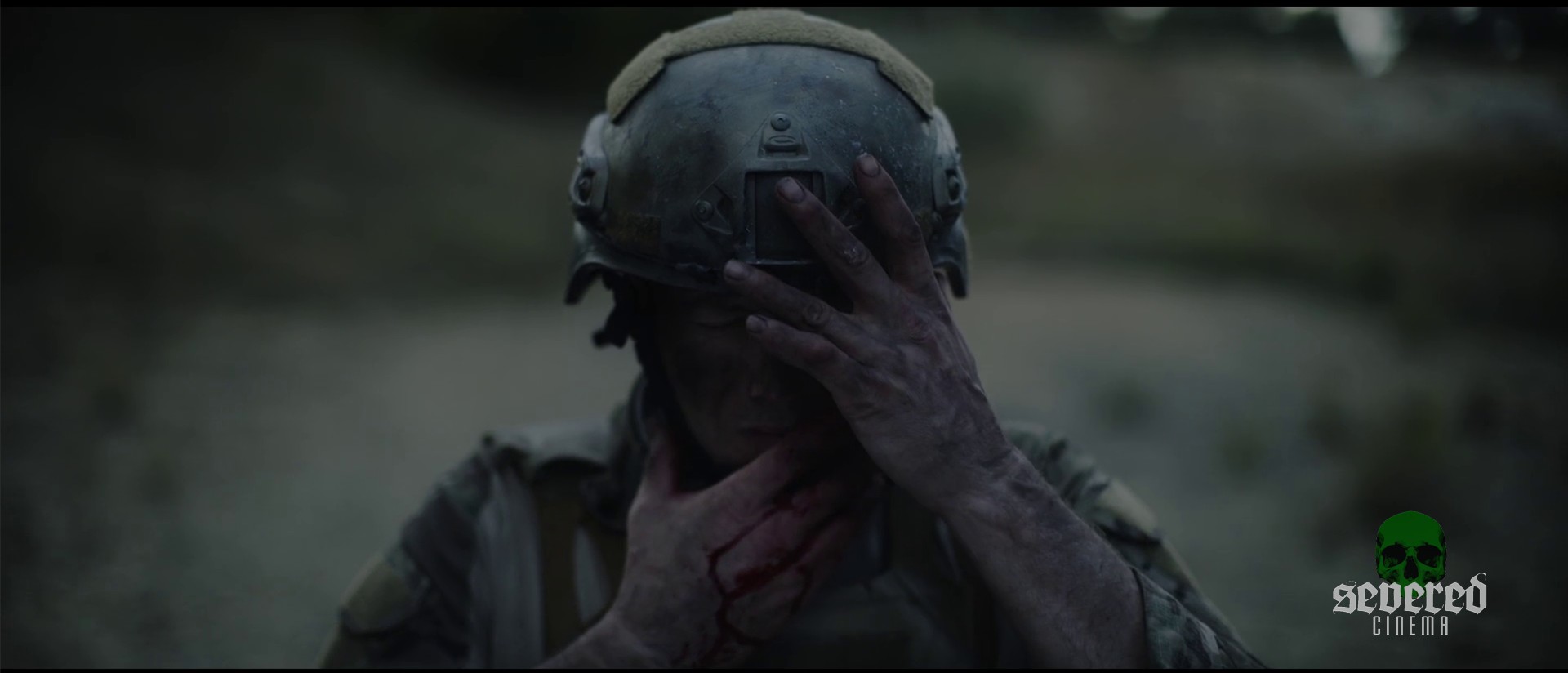
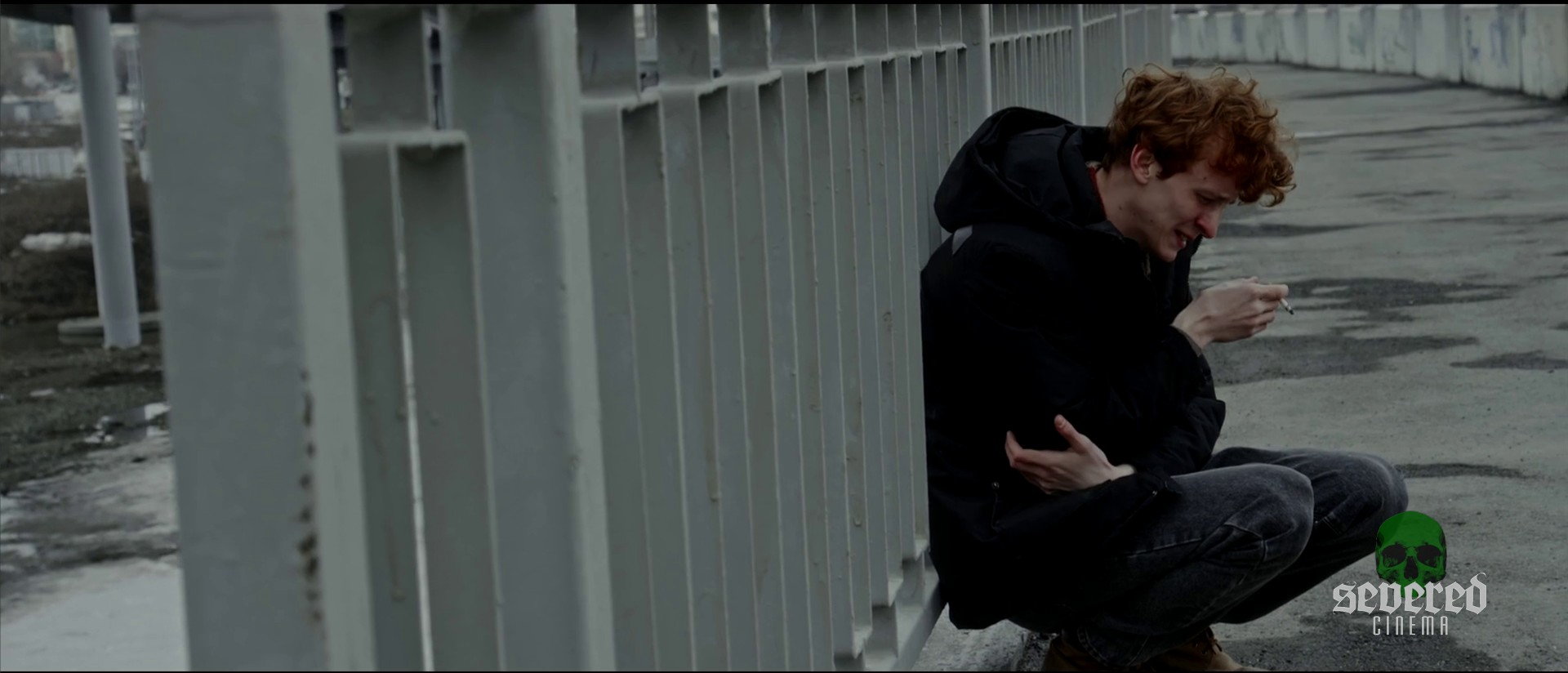
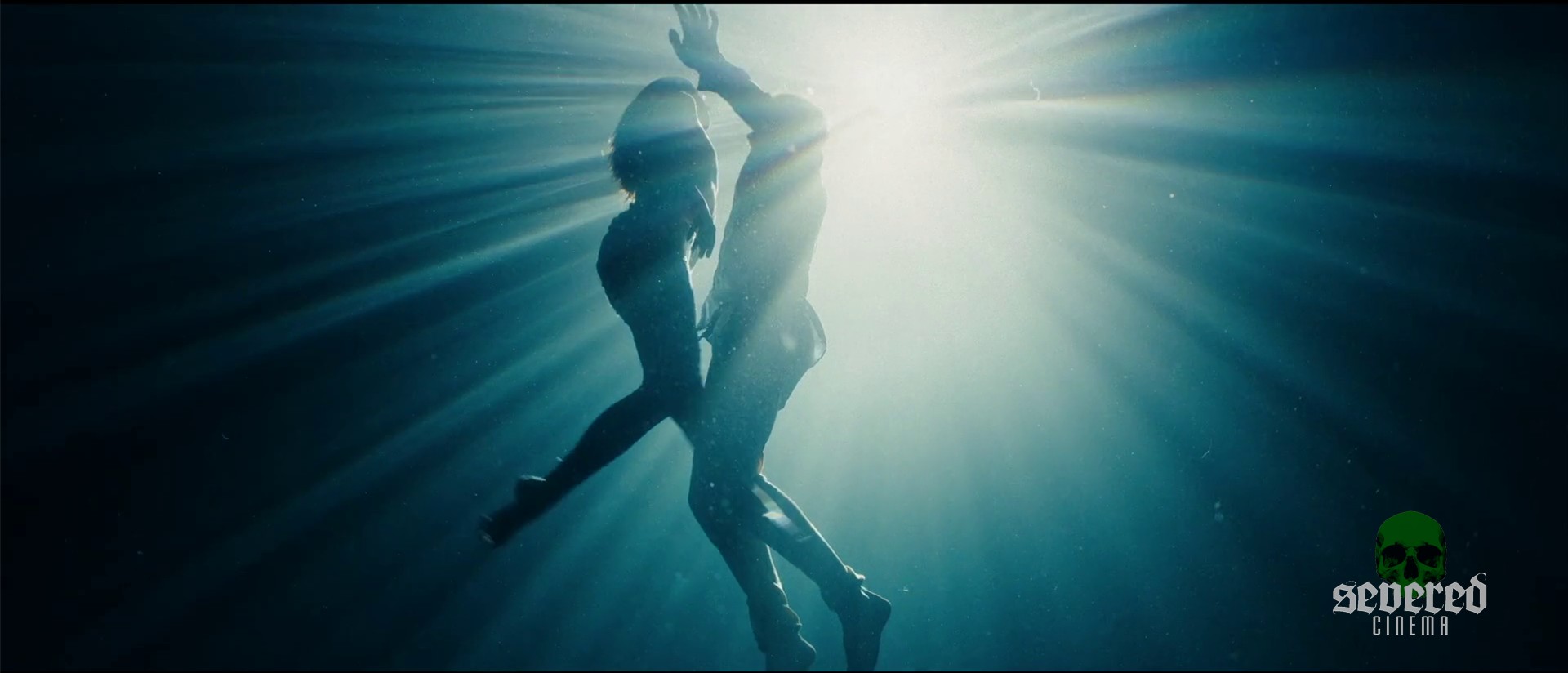
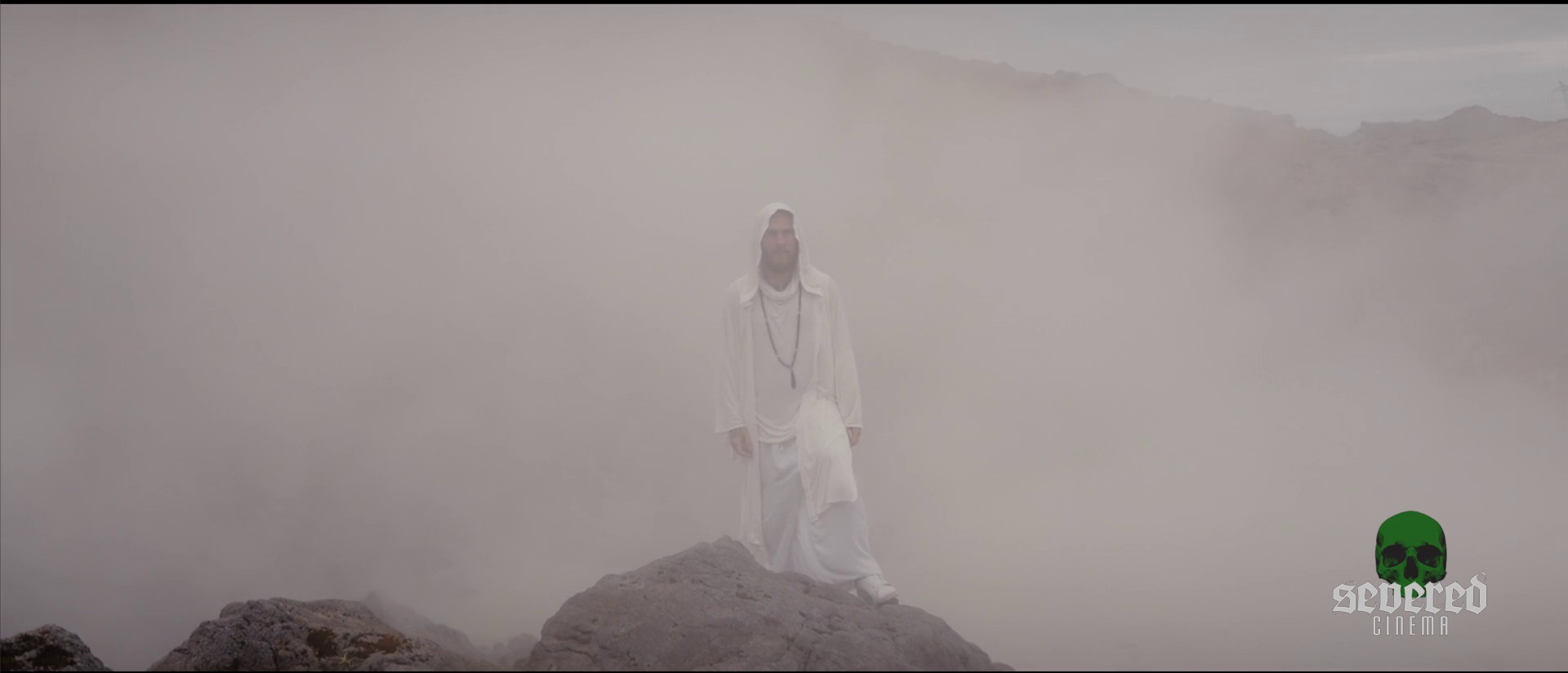
Chapter 5 (again): Lost and Found – Promising Reality: Yes, there are two Chapter Fives. A man screams on a bridge, broken mirror in hand, suicide seemingly imminent. A car crash interrupts his thoughts. A woman lies on the ground. Underwater dancers twirl. A man stands atop a foggy cliff. And then, abruptly, it all ends.
The Collage Effect
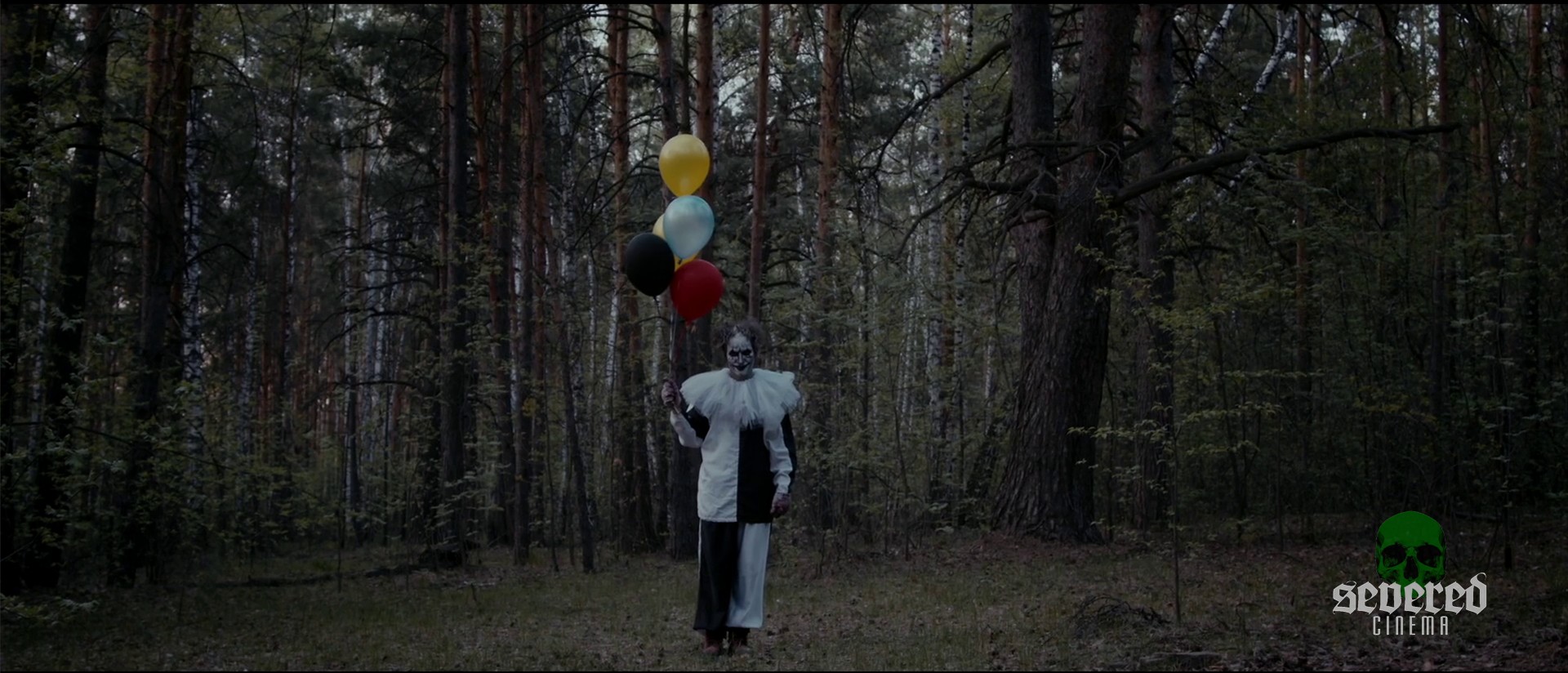
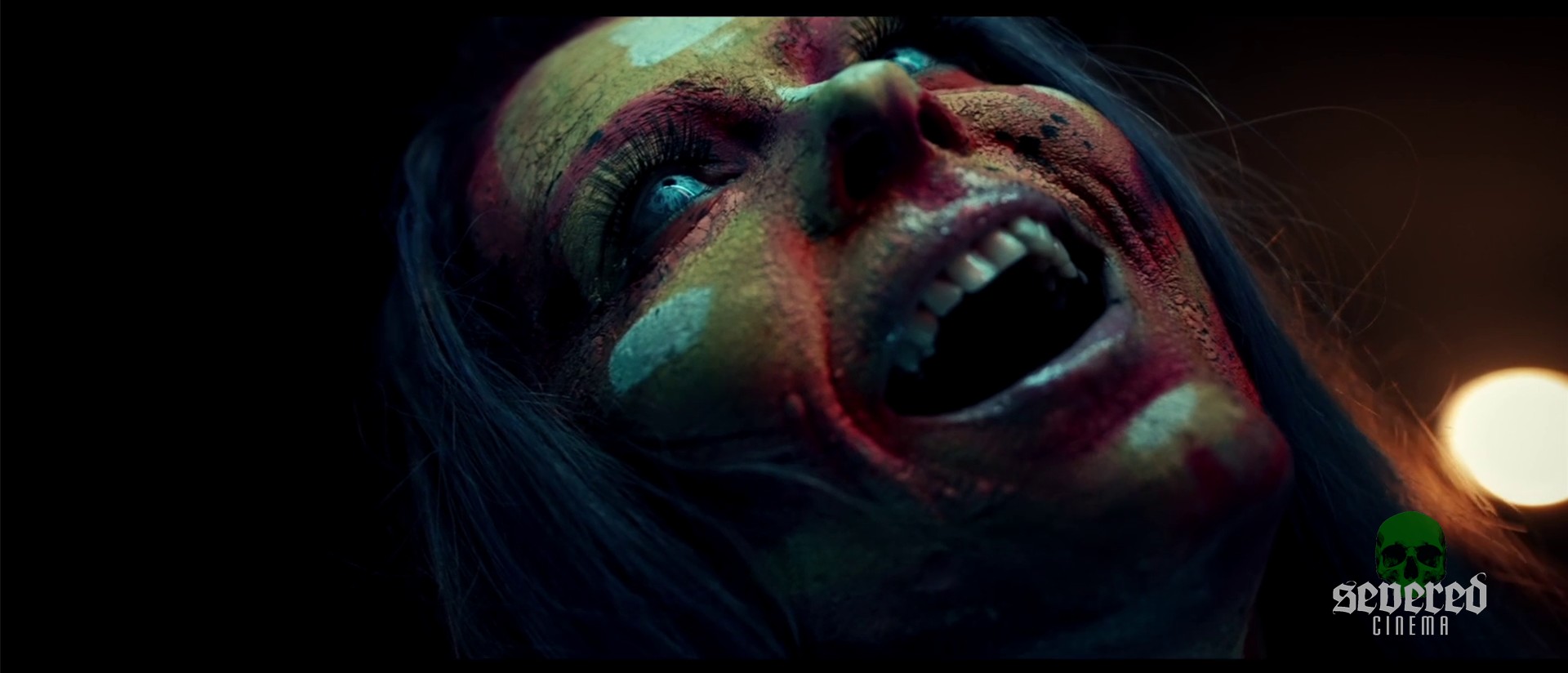
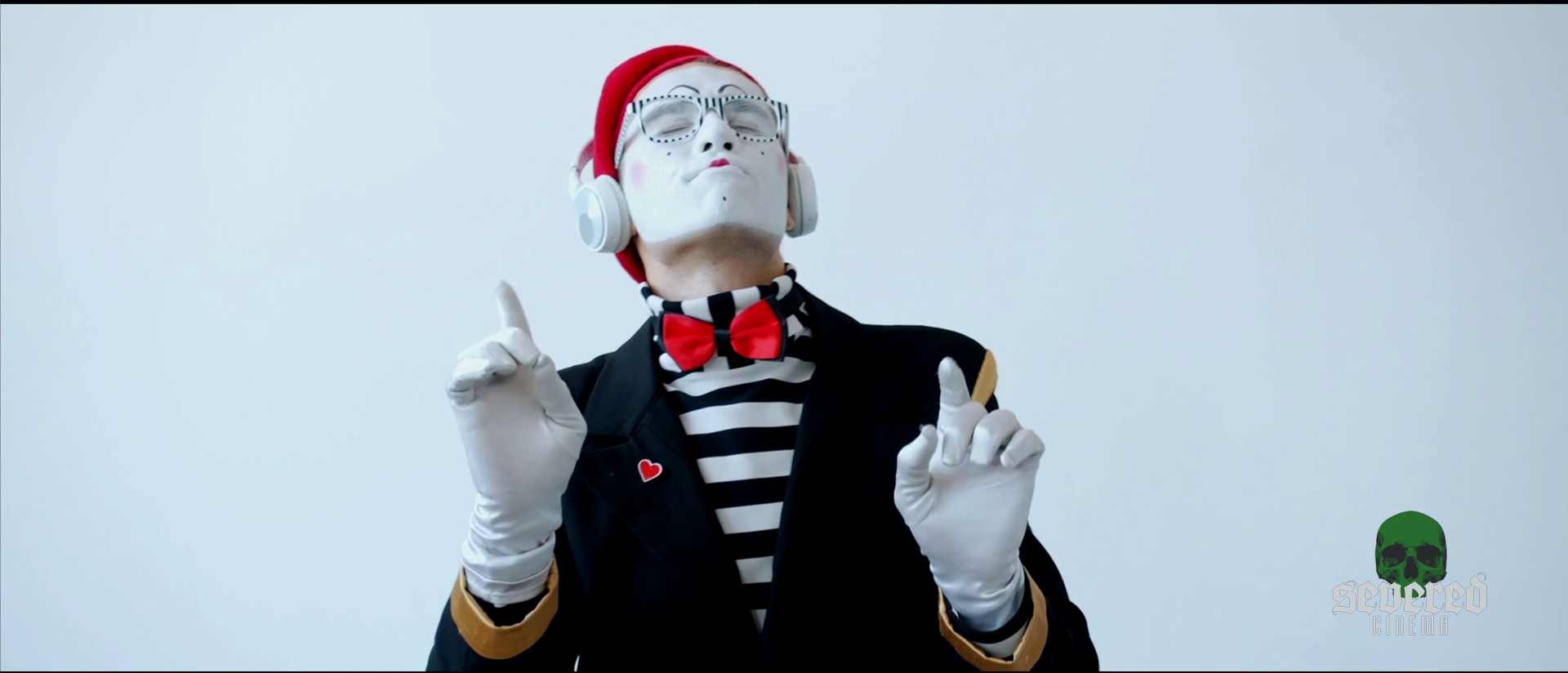
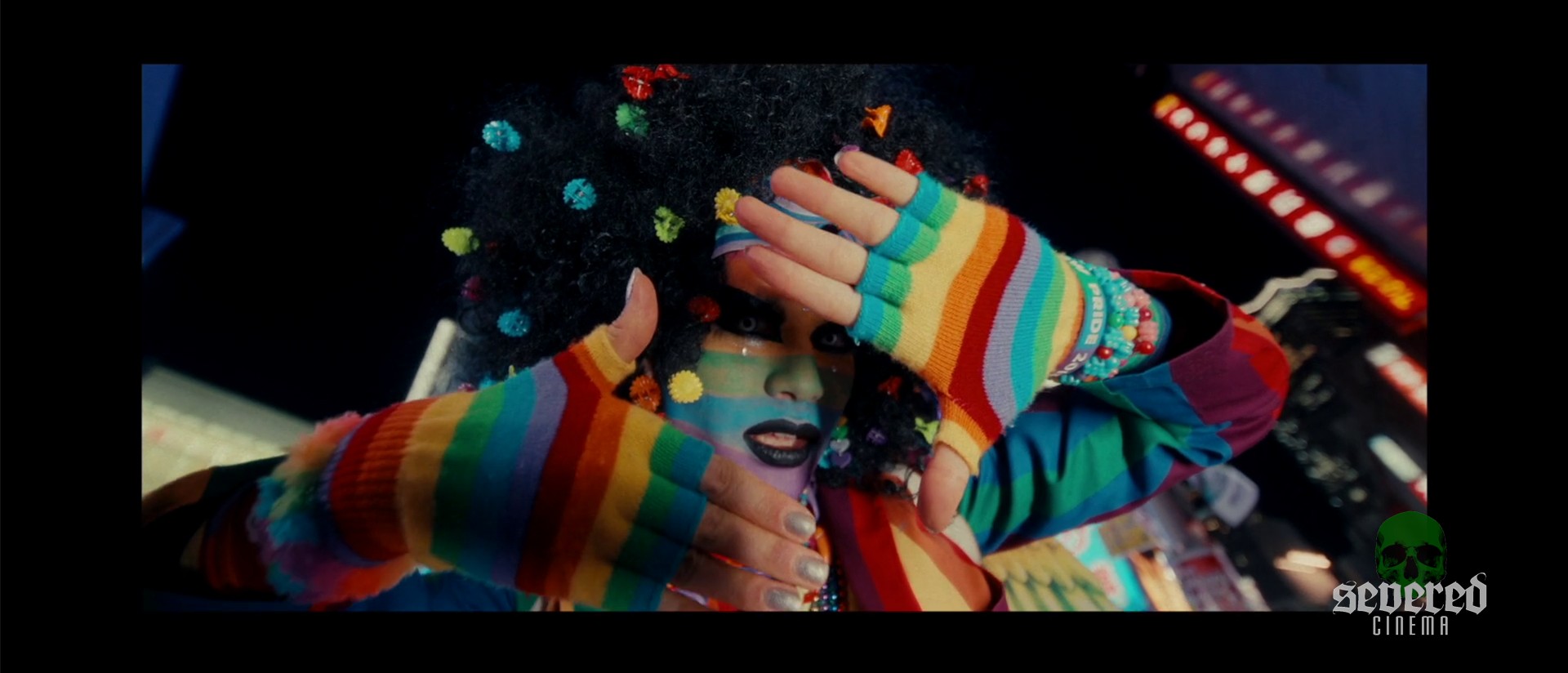
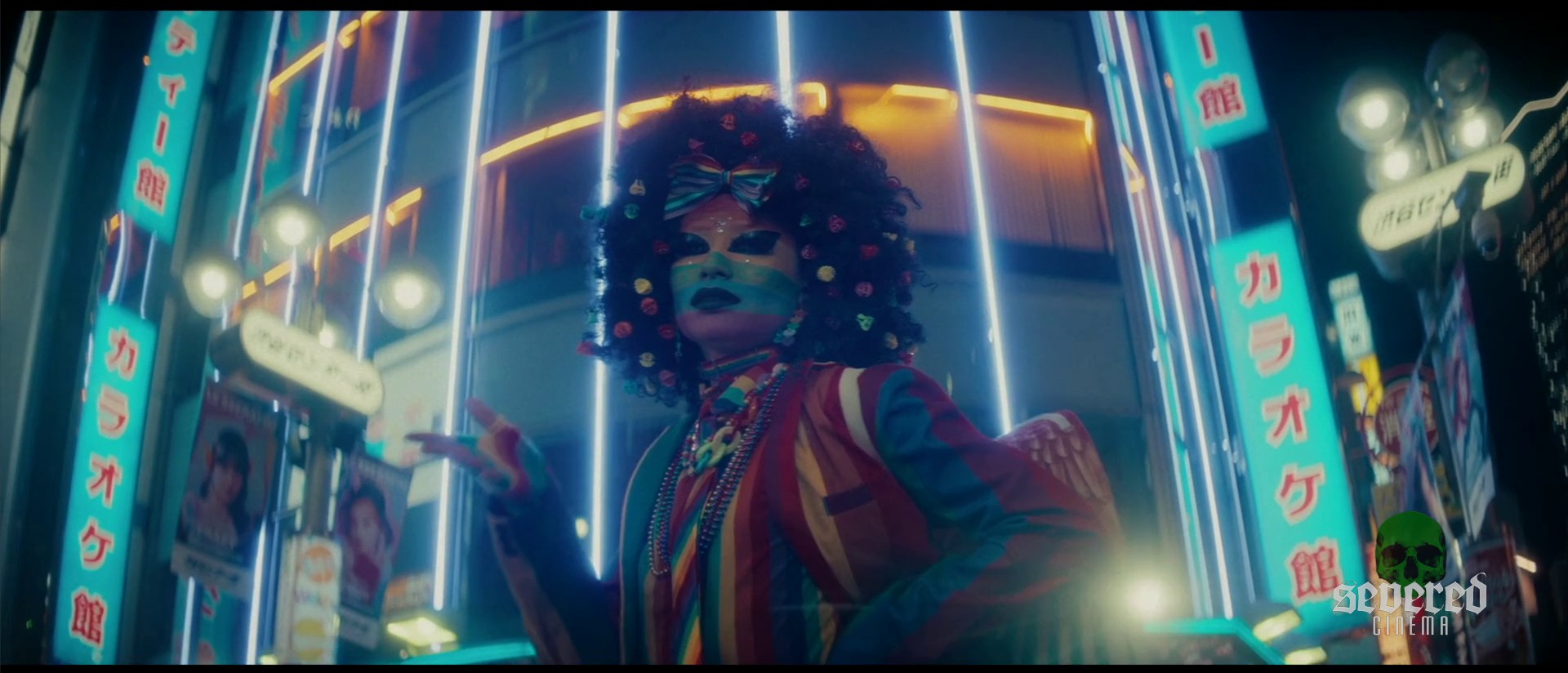
By the finale, complete with mime footage, rainbow clowns, séances, and more religious iconography, it’s hard not to see Chameleon as a stitched-together demo reel set to a Spotify playlist. The grammatical errors in the titles, the numbering mistakes (two Chapter Fives), and the flame-distorted font all undermine the professionalism that the cinematography itself deserves.
Adding to the disjointed nature, Chameleon contains absolutely no dialogue whatsoever, just music, sound design, and title cards. While this reinforces the feeling of a long-form music video, it robs the film of any narrative grounding, or human connection.
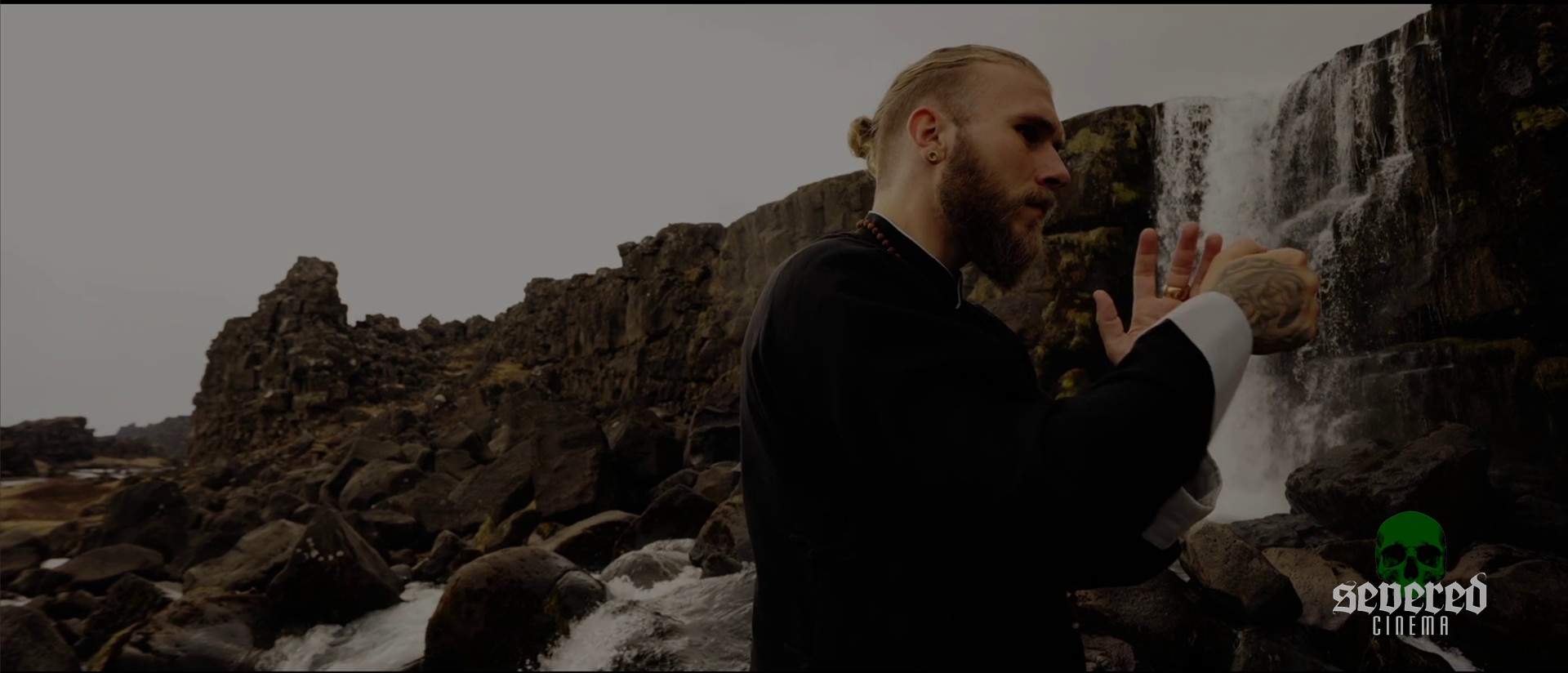
What makes Chameleon even more puzzling is the absence of a credited cinematographer. The imagery is consistently gorgeous. It’s professionally framed, lit, and executed, yet no one is acknowledged behind the camera. Every shot is composed with a painter’s eye: landscapes, close-ups, and surreal montages shimmer with visual artistry. This omission raises the question: was the footage curated and edited together from various sources, rather than shot specifically for the film? At times it feels like a patchwork of existing projects stitched into a single timeline, further blurring whether Chameleon is an original feature or simply a collage masquerading as one. That’s what makes the amateurish titles, numbering mistakes, and clumsy editing choices even more frustrating. They drag down what could otherwise stand as a haunting visual showcase.
Chameleon is not a film so much as a 70-minute collage of striking imagery. As an exercise in visual art, it has merit: haunting religious pictography, surreal horror touches, and kaleidoscopic editing that at times achieves beauty. But as a coherent movie? Or even an examination on theology or religion? It fails completely. The clashing soundtracks, repetitive imagery, and nonsensical structure render it incoherent.
If viewed as a giant music video, it can be mesmerizing in bursts. But as a feature film, Chameleon collapses under the weight of its own ambition, undone by poor structure and baffling editorial decisions.
Chameleon is a breathtaking demo reel disguised as a movie. Chameleon is gorgeous shots suffocated by nonsense titles, incoherent structure, and Spotify playlist editing.
AKA: Chameleon: The Spectrum of Madness
Directed by: Michael Moutsatos
Written by: Michael Moutsatos
Produced by: Andrew Pierson, Carissa Pierson
Edited by: Michael Moutsatos
Music by: Marvin Maddicks Jr. (Additional)
Year: 2025
Colour: Colour, Black and White
Runtime: 1h 10min
Studios: Red Monster Productions, Doni Inferno, Deathstalker Productions, Herman Productions