
How Horror Changed the Look of Casino Games
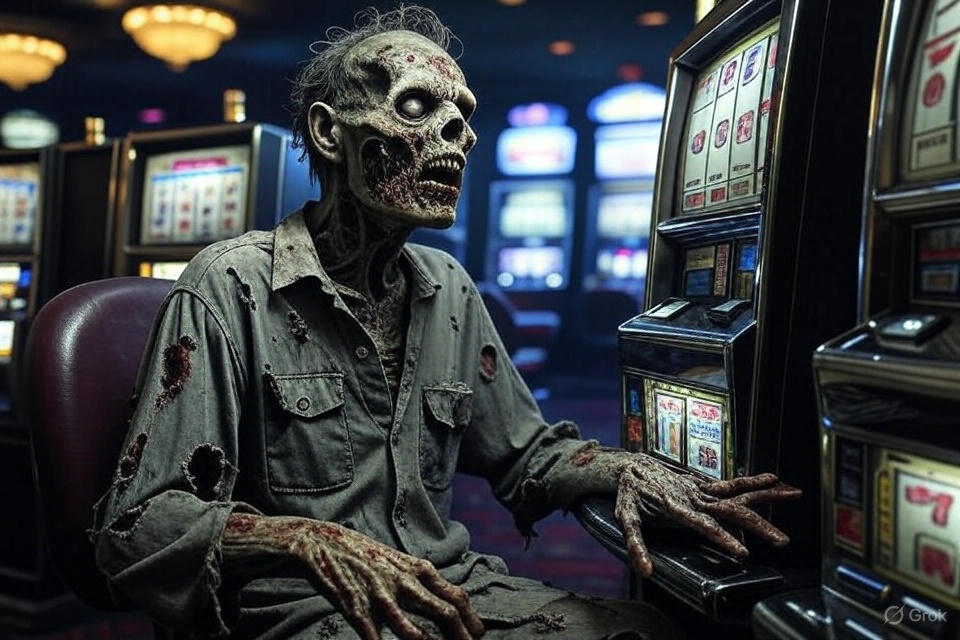
The casino games have changed. They have now become scary. The games used to be simple with fruits and cards only. Now they have stories and scary pictures. There are sounds that make it feel scary. The game makers saw that horror can make players feel many emotions.
There are now many scary casino games. They give players a chance to win. The fear makes the games exciting. The mix of horror and games is different – it makes games fun to play. The scary casino games are very popular now on many renowned websites, including Play Fina.
Early Influences and Pioneering Designs
The inception of the first horror-themed casino games began at the end of the 1990s when video slots were gaining in popularity, providing players with more entertainment and visual flexibility than the earlier mechanical versions. Those first games heavily depended on classic horror aesthetics – vampires, werewolves, and haunted houses – as they were used as the simplest form of visual effects. This primitive type of game was a real turning point in the realm of casino aesthetics, although today it may seem quite a simple device.
Pioneering developers recognized that horror themes could differentiate their products in an increasingly competitive market. By incorporating gothic architecture, eerie soundscapes and supernatural characters, these early games established a foundation for the more sophisticated horror-themed experiences that would follow. The success of these initial offerings demonstrated that players were receptive to darker, more atmospheric gambling experiences.
Psychological Appeal of Horror in Gambling
The enduring popularity of horror-themed casino games stems from their unique psychological impact. Both horror entertainment and gambling activate similar neurological pathways, triggering adrenaline release and heightened emotional states. When combined, these elements create a particularly potent form of entertainment that keeps players engaged through multiple sensory channels.
Horror themes also introduce narrative tension that traditional casino games often lack. The anticipation of both potential monetary rewards and frightening visual or auditory payoffs creates a dual suspense system that significantly enhances player engagement. This psychological dimension helps explain why horror-themed games typically show longer play sessions and higher retention rates than many conventional alternatives.
Role of Sensory Immersion
Modern horror-themed casino games excel at creating immersive sensory experiences. Advanced graphics, spatial audio and even haptic feedback in some digital platforms allow developers to craft genuinely unsettling atmospheres that envelop players. This sensory richness represents a significant evolution from early implementations, which relied primarily on static visual elements to convey their horror themes.
The atmospheric quality of these games often borrows techniques from horror cinema and literature – strategic use of darkness, unsettling sound design and sudden reveals. These elements combine to create a sense of place and mood that transcends the mechanical aspects of gambling, transforming what might otherwise be repetitive gameplay into a more textured entertainment experience.
Visual Evolution and Aesthetic Innovations
The visual language of horror-themed casino games has evolved dramatically over the past two decades. This evolution reflects both technological advancements and shifting cultural understandings of horror aesthetics. Modern games feature sophisticated art direction that often rivals mainstream video games in quality and attention to detail.
Contemporary horror-themed slots and table games frequently implement dynamic visual elements – morphing symbols, environmental animations and character interactions – that would have been impossible in earlier generations of gambling technology. This visual sophistication allows for more nuanced storytelling and atmospheric development, further distinguishing these games from their conventional counterparts.
From Generic Horror to Specific Subgenres
As the category has matured, horror-themed casino games have diversified into distinct subgenres, each with its own visual identity and thematic focus. This specialization allows developers to target specific player preferences and explore different aspects of horror aesthetics. The table below illustrates some prominent horror subgenres in casino gaming and their distinctive visual characteristics:
| Horror Subgenre | Visual Characteristics | Common Symbols/Elements | Atmospheric Qualities |
| Gothic Horror | Victorian architecture, ornate details, high contrast lighting | Candelabras, ravens, gargoyles, ancient tomes | Melancholic, mysterious, historically rooted |
| Zombie Apocalypse | Decayed urban environments, biological contamination, survival elements | Biohazard symbols, abandoned cities, medical equipment | Tense, desperate, action-oriented |
| Cosmic Horror | Abstract geometries, alien landscapes, impossible physics | Tentacles, strange artifacts, astronomical imagery | Disorienting, philosophically unsettling, vast |
| Folk Horror | Rural settings, pagan symbolism, natural elements | Wooden idols, crop fields, ritual implements | Isolated, culturally uncanny, connected to earth |
| Psychological Horror | Distorted perspectives, surreal imagery, symbolic representations | Mirrors, clocks, fragmented objects, masks | Introspective, reality-questioning, personally threatening |
Technological Enablers of Horror Aesthetics
The evolution of horror-themed casino games has been inextricably linked to technological advancement. Several key technologies have proven particularly important in enabling the sophisticated horror aesthetics now common in premium games:
- Real-time 3D rendering – Allowing for dynamic environments and camera movements that create more immersive horror settings
- Advanced animation systems – Enabling more realistic and unsettling character movements and transformations
- Procedural audio – Creating responsive soundscapes that adapt to player actions and game states
- High-definition displays – Providing the visual fidelity necessary for subtle atmospheric effects and detailed horror imagery
- Virtual reality integration – Offering unprecedented immersion that amplifies the impact of horror elements
- Artificial intelligence – Powering more sophisticated narrative development and personalized horror experiences
These technological capabilities have transformed what’s possible in horror-themed gambling, enabling experiences that would have seemed impossible just a decade ago. As these technologies continue to evolve, we can anticipate even more sophisticated implementations of horror aesthetics in future casino games.
Cultural Impact and Player Demographics
The rise of horror-themed casino games reflects broader cultural trends, including the mainstreaming of horror entertainment and changing player demographics. Today’s gambling audience includes significant numbers of players who grew up with horror video games, films and literature, making them receptive to these themes in casino contexts.
Interestingly, horror-themed games often attract players who might not otherwise engage with traditional gambling products. The narrative and atmospheric elements provide additional entertainment value that can justify the gaming experience beyond the potential for monetary rewards. This expanded appeal has helped gambling operators reach new audience segments and diversify their player bases.
Regional Variations in Horror Aesthetics
Horror-themed casino games often reflect regional cultural differences in how fear is conceptualized and represented. Games developed for Asian markets frequently incorporate elements from local folklore and supernatural traditions, while Western-focused titles tend to draw more heavily from gothic literature and Hollywood horror conventions. These regional variations add further diversity to the horror-themed gambling landscape.
Japanese-influenced horror aesthetics, with their emphasis on psychological dread and subtle supernatural elements, have proven particularly influential in recent years. The restrained approach to horror found in many Japanese games and films has inspired casino game developers to create more sophisticated atmospheric experiences that rely less on explicit gore and jump scares.
Future of Horror Aesthetics in Casino Gaming
As technology continues to advance and player expectations evolve, horror-themed casino games will likely become even more sophisticated and diverse. Personalized horror experiences that adapt to individual player preferences and responses represent one promising frontier. By tracking player reactions and adjusting the intensity and style of horror elements accordingly, future games could deliver optimally engaging experiences tailored to each user’s tolerance and preferences.