
How Modern Horror Films Reflect Our Growing Privacy Fears
Horror used to live in dark forests, creaky basements, and abandoned asylums. Now it lives in your phone. Your router. The little black dot on your laptop camera that you swear you covered up last week. The genre has quietly swapped its monsters, and audiences barely noticed the transition happening.
By 2026, the scariest horror movie tropes aren’t ghosts or masked killers—they’re notifications. A blinking light on a smart speaker. A “someone is viewing your location” alert at 2 a.m. One recent industry survey found that 68% of viewers reported feeling more uneasy about their own devices after watching a tech-horror film, which says a lot about where our collective anxiety is heading.
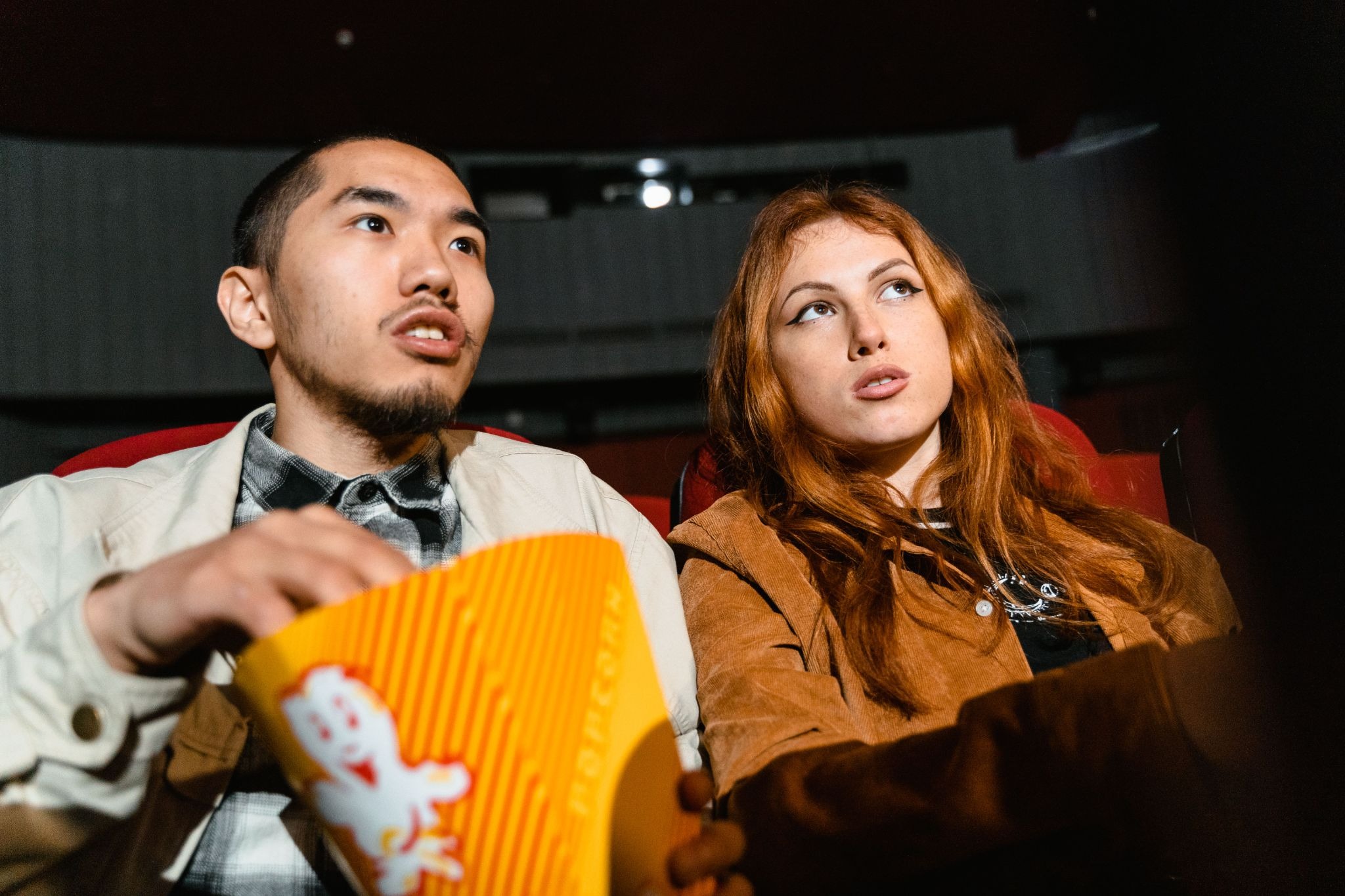
Smart Homes, Real Nightmares
Smart home horror has practically become its own category. Plots now revolve around thermostats that lock doors from the inside, baby monitors that someone else is watching, and voice assistants that “accidentally” record entire conversations. It sounds exaggerated until you remember that researchers have repeatedly found internet-connected devices shipping with default passwords like “admin1234″—and most people never bother to change them.
That’s part of why these films land so hard. They’re not pure fiction; they’re slightly exaggerated versions of headlines we’ve already half-read and scrolled past. Audiences leave theaters double-checking their router settings, which is honestly not a bad instinct. It wouldn’t hurt to choose fast Mac VPN solutions to avoid those same unpleasant scenes in the future. This step alone, like activating VeePN, can protect against most types of surveillance and data-targeted attacks.
The Stalker With a Screen
Cybersecurity in cinema has also given us a new kind of villain: the digital stalker. Forget the guy hiding in the bushes—now it’s someone tracking a victim’s location through a fitness app, or pulling personal details from a “private” social media account that wasn’t actually private at all.
These digital stalking narratives hit differently because they’re plausible. Location-sharing apps, public Wi-Fi logins, geotagged photos—most people use these every day without thinking twice. Horror films simply ask: what if someone was paying attention? That question alone is often scarier than any jump scare, because the answer feels uncomfortably close to home.
Algorithms That Know Too Much
Some of the most unsettling new films don’t show a villain at all. Instead, they decode algorithmic psychological thrillers where the “monster” is a recommendation engine. The horror isn’t a person—it’s a system quietly learning your habits, your fears, your insecurities, and feeding them back to you at exactly the wrong moment.
There’s a line from one indie horror script that’s been floating around online: “The algorithm doesn’t hate you. It just doesn’t need to.” That’s the kind of dialogue that sticks with viewers, because it captures something true about corporate data harvesting—companies aren’t out to get any single person, but the scale of what they collect makes individual privacy feel almost theoretical.
Disappearing Into the Crowd
A growing number of modern horror plots revolve around one desperate goal: becoming invisible online. Characters delete accounts, switch devices, and try to dismantle online anonymity threats that have built up around them over years of digital life. It rarely works cleanly, which is part of the horror—once your data exists, it tends to exist forever, scattered across servers you’ll never see.
Common privacy-horror tropes audiences are noticing in 2026 include:
- The “smart” device that was listening the whole time
- A protagonist’s location history used as evidence against them
- An AI assistant that “helpfully” shares private information
- A deepfaked video that no one believes is fake
- A character realizing their old social media posts never really disappeared
Interestingly, some of these films have nudged real-world habits. After one widely discussed thriller centered on a hacked home network, search interest in basic digital security tools spiked noticeably for weeks. People started using VPN extensions, changing their passwords, and activating multi-factor authentication. So, watching them was beneficial.
Deepfakes and the Collapse of Trust
If there’s one trope defining the digital privacy dystopia genre right now, it’s the deepfake. Films increasingly explore what happens when a character’s face, voice, or entire identity is convincingly faked—used to frame them, blackmail them, or simply erase their version of events.
This taps into a very real fear. Deepfake detection tools exist, but they’re in a constant arms race with the technology they’re trying to catch. When horror movies visualize deepfake manipulation, they’re not inventing a threat from nothing; they’re dramatizing something that cybersecurity experts have been warning about for years, just with better lighting and a more dramatic score.
What These Films Are Really Telling Us
At their core, these movies aren’t really about technology. They’re about control—or the loss of it. Every smart speaker, every app permission, every “accept all cookies” pop-up represents a tiny surrender of control, and horror has become the genre that lets audiences feel the weight of all those small surrenders at once.
That’s why this wave of films resonates so widely, even with viewers who don’t usually watch horror. Fear isn’t abstract. It’s the phone in your pocket, the camera on your laptop, the smart doorbell on your porch. Modern horror simply asks the question most of us avoid: who else might be watching, and what do they already know?